
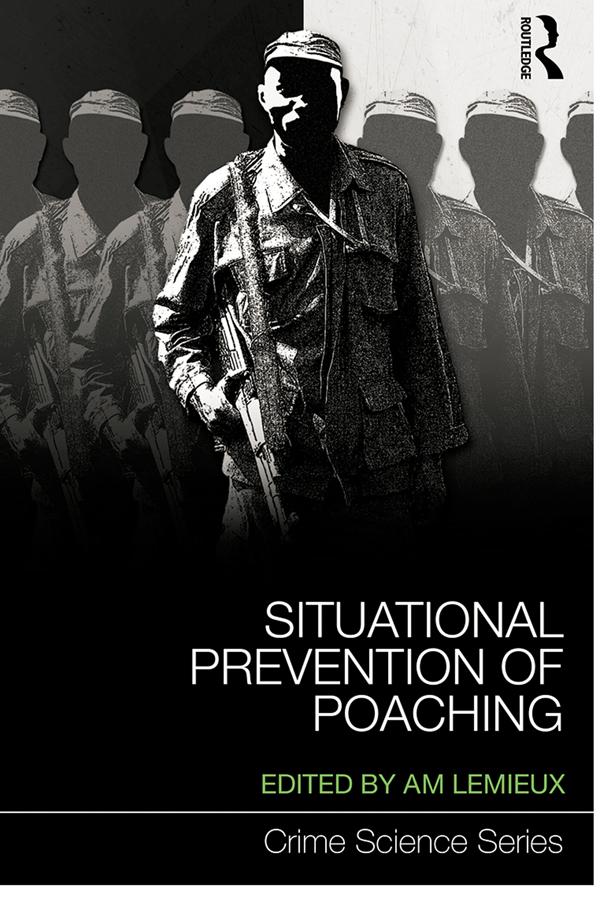
For centuries, criminologists have looked for scientific ways to study, understand, and ultimately prevent crime. In this volume, a unique offense, poaching, is explored in various contexts to determine what opportunity structures favor this crime and how situational crime prevention may reduce its prevalence. The data sources used range from publically available secondary data about animal populations, to interviews with hunters, to actual law enforcement data collected inside protected areas. Various methods are utilized to look for patterns in poaching behaviour regarding where poachers strike, which species they target and their modus operandi.
Collectively, the volume shows that principles of criminal opportunity theory and situational crime prevention are useful for studying and preventing poaching in a variety of contexts. The methods employed by each chapter are easily replicated and meant to stimulate empirical poaching research where data is available. While the theoretical grounding of this volume is drawn from criminology, it is written for a broad audience of academics, practitioners and those interested in wildlife conservation.
Maksa helposti kortilla, Klarnalla, Apple Paylla tai Google Paylla. Etkö ole tyytyväinen? Sinulla on aina 14 päivän palautusoikeus. Lue lisää ehdoistamme. Jos sinulla on kysyttävää, lähetä meille sähköpostia osoitteeseen hello@memmo.org.
Memmo tekee opiskelusta helpompaa – missä päin maailmaa ikinä oletkin. Meillä yhdistät kurssikirjat ja fiksut opiskelutyökalut yhteen paikkaan: tiivistelmät, visat, podcastit ja muistikortit. Ja sitten Ted, opiskelukaverisi, joka vastaa kaikkeen, mitä ikinä mietitkin. Yli 50 000 opiskelijaa opiskelee jo täällä – rakennettu auttamaan sinua oppimaan nopeammin ja stressaamaan vähemmän.