
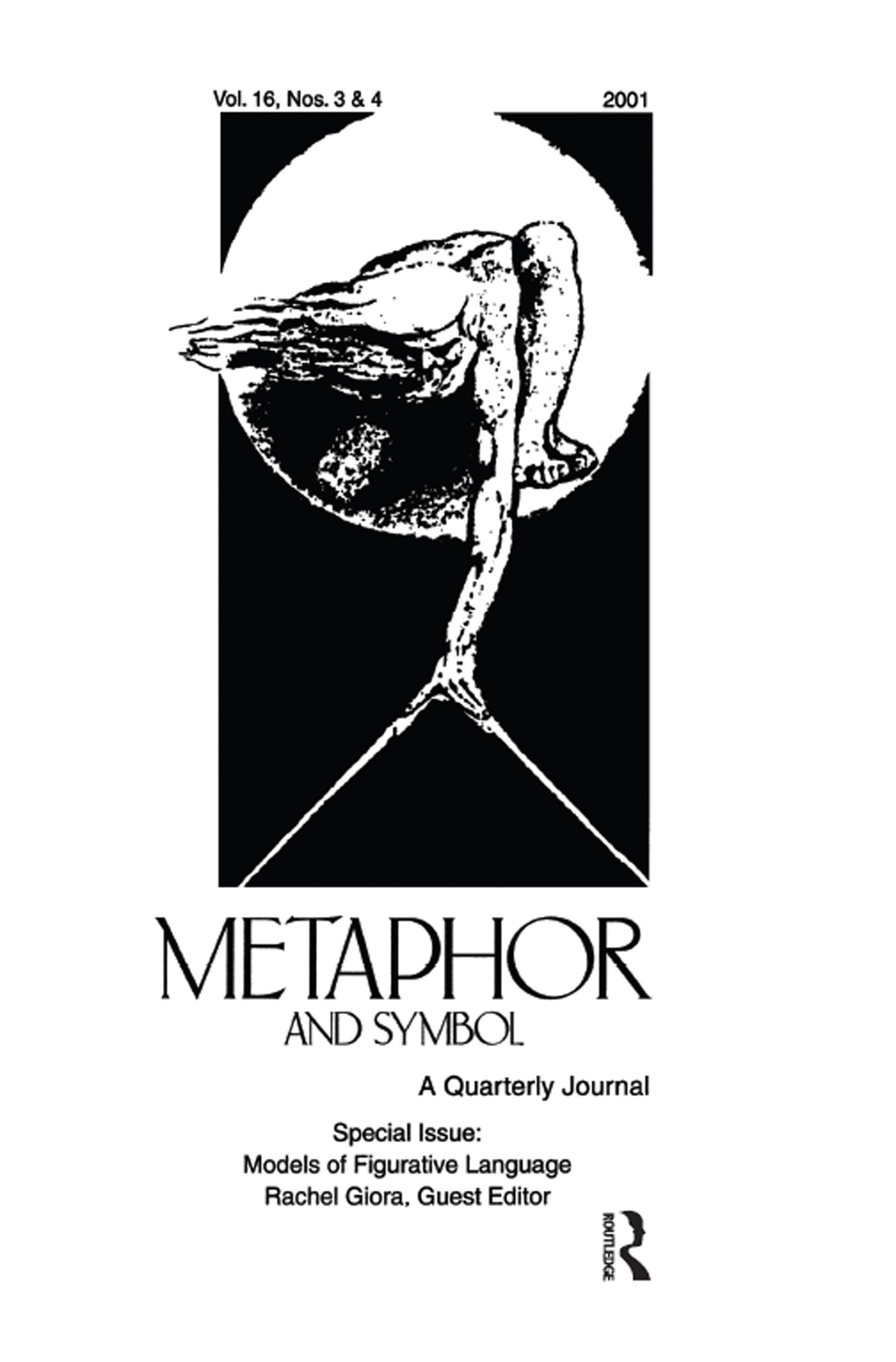
First published in 2001. Volume 16, Numbers 3&4. This special issue is an attempt to record the state of the art of psycholinguistics research into figurative language. There are quite a number of models addressing distinct issues and aiming to solve different problems—the mark of a maturing field. Indeed, not one theory is tailored to solve all the problems. Rather, each model, while aiming at generality, also recognizes its limitation. Despite specializing in different topics, most of the theories presented here have some things in common. For one, most of them dispense with the literal/ nonliteral divide, proposing, instead, models that are capable of handling literal as well as figurative language. Some models focus on the role primary meanings play in comprehension, others shed light on context effects, and some models seem to encompass both in terms of the accumulating effects of constraints (whether linguistic or contextual).
Maksa helposti kortilla, Klarnalla, Apple Paylla tai Google Paylla. Etkö ole tyytyväinen? Sinulla on aina 14 päivän palautusoikeus. Lue lisää ehdoistamme. Jos sinulla on kysyttävää, lähetä meille sähköpostia osoitteeseen hello@memmo.org.
Memmo tekee opiskelusta helpompaa – missä päin maailmaa ikinä oletkin. Meillä yhdistät kurssikirjat ja fiksut opiskelutyökalut yhteen paikkaan: tiivistelmät, visat, podcastit ja muistikortit. Ja sitten Ted, opiskelukaverisi, joka vastaa kaikkeen, mitä ikinä mietitkin. Yli 50 000 opiskelijaa opiskelee jo täällä – rakennettu auttamaan sinua oppimaan nopeammin ja stressaamaan vähemmän.
Saatat pitää myös näistä
Osta kirja0