
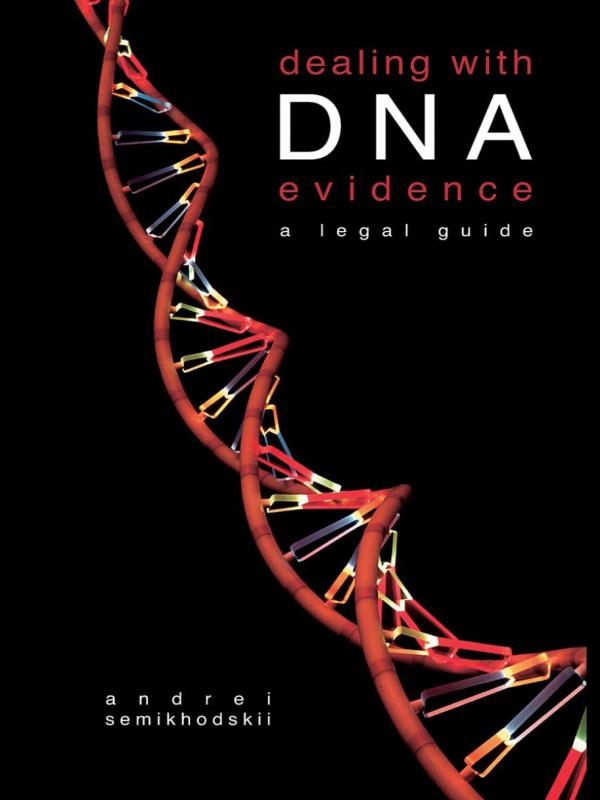
Giving the reader an in-depth understanding of DNA evidence in criminal practice, this text explains in clear language how DNA evidence is obtained and how it can be successfully challenged in court to minimize its impact or even dismiss it completely.
Since it first entered the criminal legal practice DNA has become an indispensable tool in fighting crime, as it allows both unambiguous identification of the criminal by traces of biological material left at the crime scene as well as acquitting innocent suspects.
This book:
- outlines the various types of testing used to obtain DNA evidence
- highlights the weaknesses of DNA testing, presenting and discussing defence strategies for refuting DNA evidence
- shows how DNA should be treated as just another piece of evidence and how on its own it is often not enough to convict someone of a particular crime.
This book is essential reading for students and practitioners of criminal law and practice and forensic science and law.
Maksa helposti kortilla, Klarnalla, Apple Paylla tai Google Paylla. Etkö ole tyytyväinen? Sinulla on aina 14 päivän palautusoikeus. Lue lisää ehdoistamme. Jos sinulla on kysyttävää, lähetä meille sähköpostia osoitteeseen hello@memmo.org.
Memmo tekee opiskelusta helpompaa – missä päin maailmaa ikinä oletkin. Meillä yhdistät kurssikirjat ja fiksut opiskelutyökalut yhteen paikkaan: tiivistelmät, visat, podcastit ja muistikortit. Ja sitten Ted, opiskelukaverisi, joka vastaa kaikkeen, mitä ikinä mietitkin. Yli 50 000 opiskelijaa opiskelee jo täällä – rakennettu auttamaan sinua oppimaan nopeammin ja stressaamaan vähemmän.