
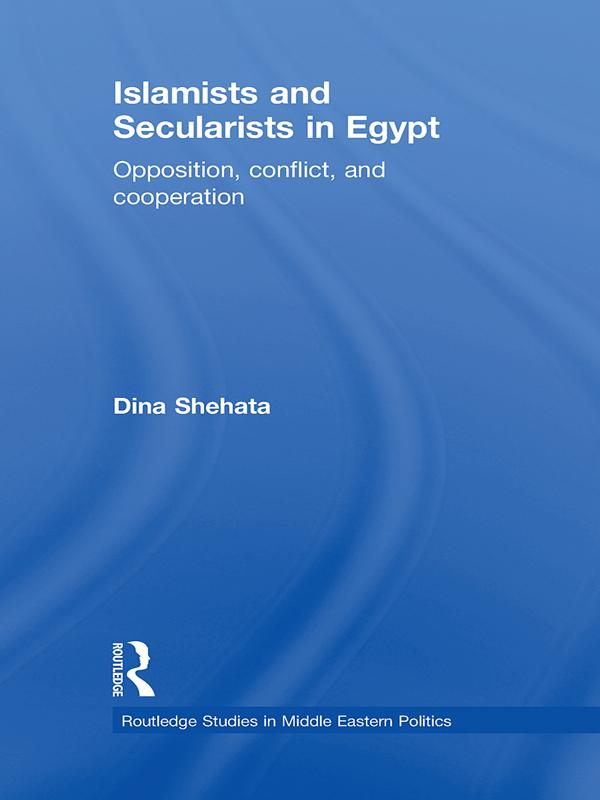
In a detailed analysis of the continued survival of authoritarian governments in the Arab world, this book uses Egypt as a case study to address the timely and complex issue of democratization in the Middle East.
This book examines how relations between different actors in the Egyptian opposition have contributed to the endurance of authoritarianism in Egypt over the past three decades. The author argues that the longevity of the authoritarian government is not only a function of the strength and cohesion of the regime, but is also related to the weaknesses and divisions between opposition groupings, particularly between Islamists and non-Islamists. Looking at how such ideological differences and mobilizational asymmetries have impeded successful cooperation between different opposition groups, and how this allows the authoritarian regime to successfully ensure its continued hegemony, the author illustrates the extent to which opposition strategies profoundly affect successful transitions to democracy in the Arab world.
Highlighting the main obstacles to democratic political reform in the region, the author provides important insights for the promotion of democracy in the region which will be a valuable addition to the literature on Middle Eastern politics and government.
Maksa helposti kortilla, Klarnalla, Apple Paylla tai Google Paylla. Etkö ole tyytyväinen? Sinulla on aina 14 päivän palautusoikeus. Lue lisää ehdoistamme. Jos sinulla on kysyttävää, lähetä meille sähköpostia osoitteeseen hello@memmo.org.
Memmo tekee opiskelusta helpompaa – missä päin maailmaa ikinä oletkin. Meillä yhdistät kurssikirjat ja fiksut opiskelutyökalut yhteen paikkaan: tiivistelmät, visat, podcastit ja muistikortit. Ja sitten Ted, opiskelukaverisi, joka vastaa kaikkeen, mitä ikinä mietitkin. Yli 50 000 opiskelijaa opiskelee jo täällä – rakennettu auttamaan sinua oppimaan nopeammin ja stressaamaan vähemmän.