
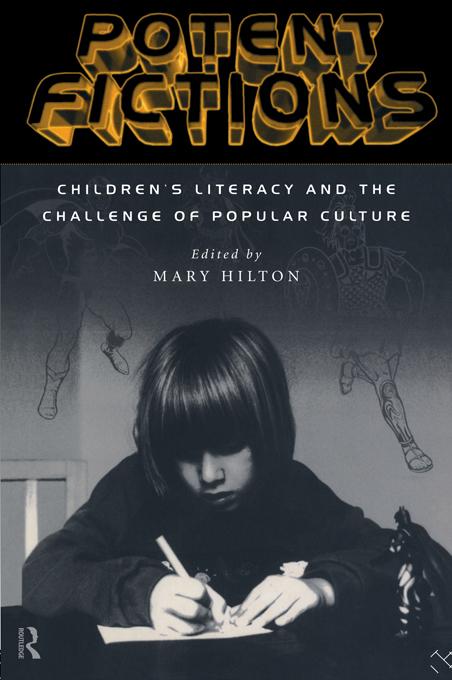
Today's children spend more time than ever before watching television, playing computer games and reading comic and pulp fiction. Many of these are directly designed by the toy and media industry. Are children therefore simply being manipulated?
There is widespread concern that because of these kinds of popular fiction, children do not read `quality' literature, resulting in lower standards of literacy. There is also the further fear that because many of these popular media portray highly stereotyped, gendered images, this too will have a damaging effect on children.
Mary Hilton's fascinating book proves that there is another side to the argument. We do not have to view popular culture as a threat to our children or their education. The writers of this collection show how, used carefully alongside other types of literature, popular culture can actually help teachers to develop literacy in a broad and positive sense.
Maksa helposti kortilla, Klarnalla, Apple Paylla tai Google Paylla. Etkö ole tyytyväinen? Sinulla on aina 14 päivän palautusoikeus. Lue lisää ehdoistamme. Jos sinulla on kysyttävää, lähetä meille sähköpostia osoitteeseen hello@memmo.org.
Memmo tekee opiskelusta helpompaa – missä päin maailmaa ikinä oletkin. Meillä yhdistät kurssikirjat ja fiksut opiskelutyökalut yhteen paikkaan: tiivistelmät, visat, podcastit ja muistikortit. Ja sitten Ted, opiskelukaverisi, joka vastaa kaikkeen, mitä ikinä mietitkin. Yli 50 000 opiskelijaa opiskelee jo täällä – rakennettu auttamaan sinua oppimaan nopeammin ja stressaamaan vähemmän.
Saatat pitää myös näistä
Osta kirja0