
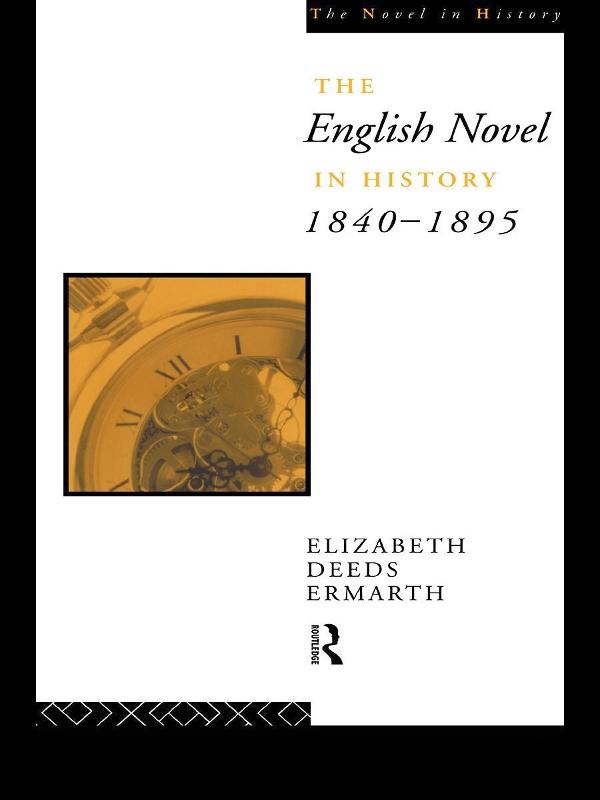
The construction of history as a social common denominator is a powerful achievement of the nineteenth-century novel, a form dedicated to experimenting with democratic social practice as it conflicts with economic and feudal visions of social order. Through revisionary readings of familiar nineteenth-century texts The English Novel in History 1840-1895 takes a multidisciplinary approach to literary history. It highlights how narrative shifts from one construction of time to another and reformulates fundamental ideas of identity, nature and society.
Elizabeth Ermarth discusses the range of novels alongside other cultural material, including painting, science, religious, political and economic theory. She explores the problems of how a society, as defined in democratic terms, can accommodate political, gender and class differences without resorting to hierarchy; and how narrowly conceived economic agendas compete with social cohesion.
Students, advanced undergraduates, postgraduates and specialists will find this text invaluable.
Maksa helposti kortilla, Klarnalla, Apple Paylla tai Google Paylla. Etkö ole tyytyväinen? Sinulla on aina 14 päivän palautusoikeus. Lue lisää ehdoistamme. Jos sinulla on kysyttävää, lähetä meille sähköpostia osoitteeseen hello@memmo.org.
Memmo tekee opiskelusta helpompaa – missä päin maailmaa ikinä oletkin. Meillä yhdistät kurssikirjat ja fiksut opiskelutyökalut yhteen paikkaan: tiivistelmät, visat, podcastit ja muistikortit. Ja sitten Ted, opiskelukaverisi, joka vastaa kaikkeen, mitä ikinä mietitkin. Yli 50 000 opiskelijaa opiskelee jo täällä – rakennettu auttamaan sinua oppimaan nopeammin ja stressaamaan vähemmän.