
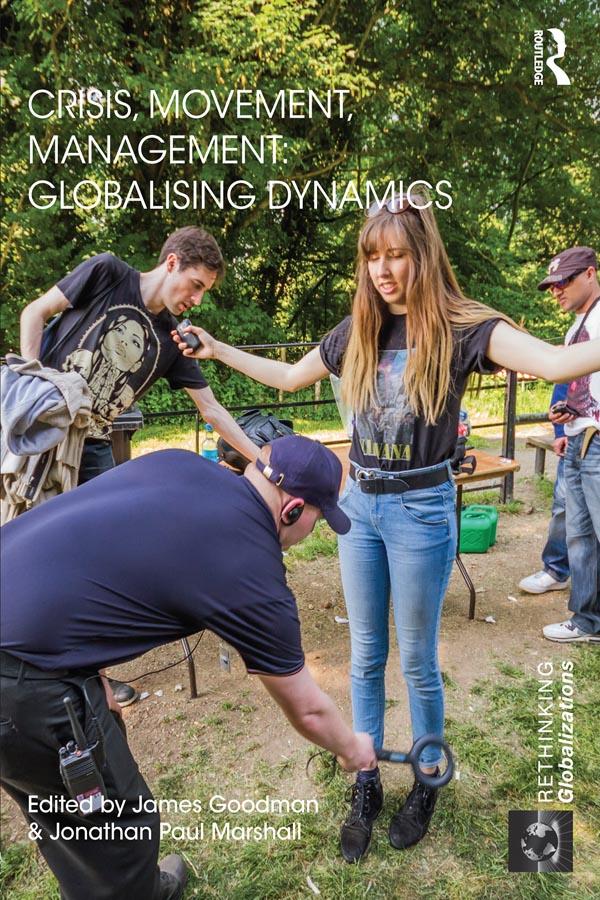
Globalised neo-liberalism has produced multiple crises – social, ecological, political. In the past, crises of global order have generated large-scale social transformations, and the current crises likewise hold a transformative promise. Social movements become a crucial barometer, in signalling both the demise and rise of political formations and programs. Elite strategies, framed as crisis management, create their own disordering side-effects. Experiments in movement strategy gain greater significance, as do contending elite efforts at repressing, managing or displacing the fall-out. In this book we investigate both movements and management in the face of crisis, taking crisis and unanticipated consequences as a normal state-of-play. The book enquires into the winners and losers from crisis, and investigates the movement-management nexus as it unfolds in particular localities as well as in broader contexts.
The book deals with some of the most pressing conflicts of our time, and produces a range of theoretical insights: the ubiquity of crisis is seen as not only a hallmark of social life, but a way into a different kind of social analysis.
This book was published as a special issue of Globalizations.
Maksa helposti kortilla, Klarnalla, Apple Paylla tai Google Paylla. Etkö ole tyytyväinen? Sinulla on aina 14 päivän palautusoikeus. Lue lisää ehdoistamme. Jos sinulla on kysyttävää, lähetä meille sähköpostia osoitteeseen hello@memmo.org.
Memmo tekee opiskelusta helpompaa – missä päin maailmaa ikinä oletkin. Meillä yhdistät kurssikirjat ja fiksut opiskelutyökalut yhteen paikkaan: tiivistelmät, visat, podcastit ja muistikortit. Ja sitten Ted, opiskelukaverisi, joka vastaa kaikkeen, mitä ikinä mietitkin. Yli 50 000 opiskelijaa opiskelee jo täällä – rakennettu auttamaan sinua oppimaan nopeammin ja stressaamaan vähemmän.