
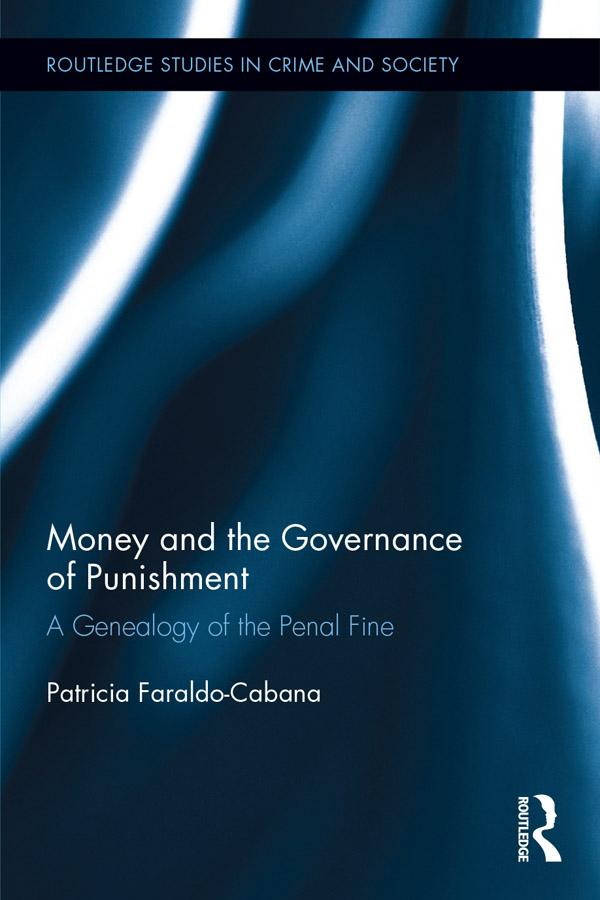
Money is the most frequently means used in the legal system to punish and regulate. Monetary penalties outnumber all other sanctions delivered by criminal justice in many jurisdictions, imprisonment included. More people pay fines than go to prison and in some jurisdictions many of those in prison are there because of failure to pay their fines. Therefore, it is surprising how little has been written in the Anglophone academic world about the nature of money sanctions and their specific characteristics as legal sanctions.
In many ways, legal innovations related to money sanctions have been poorly understood. This book argues that they are a direct consequence of the changing meaning of money. Considering the ‘meaninglessness’ of modern money, the book aims to examine the history of changing conceptions in how fines have been conceived and used. Using a set of interpretative techniques sensitive to how money and freedom are perceived, the genealogy of the penal fine is presented as a story of constant reformulation in response to shifting political pressures and changes in intellectual developments that influenced ideological commitments of legislators and practitioners.
This book is multi-disciplinary and will appeal to those engaged with criminology, sociology and philosophy of punishment, socio-legal studies, and criminal law.
Maksa helposti kortilla, Klarnalla, Apple Paylla tai Google Paylla. Etkö ole tyytyväinen? Sinulla on aina 14 päivän palautusoikeus. Lue lisää ehdoistamme. Jos sinulla on kysyttävää, lähetä meille sähköpostia osoitteeseen hello@memmo.org.
Memmo tekee opiskelusta helpompaa – missä päin maailmaa ikinä oletkin. Meillä yhdistät kurssikirjat ja fiksut opiskelutyökalut yhteen paikkaan: tiivistelmät, visat, podcastit ja muistikortit. Ja sitten Ted, opiskelukaverisi, joka vastaa kaikkeen, mitä ikinä mietitkin. Yli 50 000 opiskelijaa opiskelee jo täällä – rakennettu auttamaan sinua oppimaan nopeammin ja stressaamaan vähemmän.