
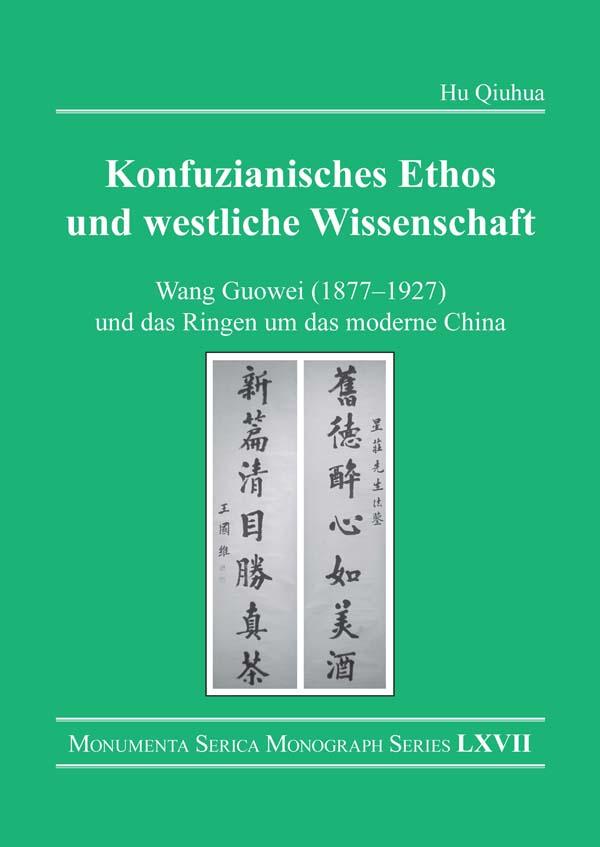
This study in German offers profound insights into the life and thoughts of Wang Guowei (1877-1927). Like many intellectuals who strongly perceived the necessity of reforms in the waning years of the Late Qing dynasty, i.e. after the Opium wars, Wang sought to strengthen China's position against foreign, in particular Western, powers. Contrary to earlier approaches, which either advocated a close adherence to Confucian traditions or tried to adapt only elements of Western material culture, mainly industrial and military technology, Wang Guowei aimed at reviving traditional Chinese culture by analysing its source texts using a modern scientific approach (and thereby started the discipline of guoxue [national studies]) and simultaneously adapting compatible elements of Western immaterial culture. Thus, Wang became known as an authority on Chinese paleography as well as on German philosophy, especially Kantian epistomology.
Maksa helposti kortilla, Klarnalla, Apple Paylla tai Google Paylla. Etkö ole tyytyväinen? Sinulla on aina 14 päivän palautusoikeus. Lue lisää ehdoistamme. Jos sinulla on kysyttävää, lähetä meille sähköpostia osoitteeseen hello@memmo.org.
Memmo tekee opiskelusta helpompaa – missä päin maailmaa ikinä oletkin. Meillä yhdistät kurssikirjat ja fiksut opiskelutyökalut yhteen paikkaan: tiivistelmät, visat, podcastit ja muistikortit. Ja sitten Ted, opiskelukaverisi, joka vastaa kaikkeen, mitä ikinä mietitkin. Yli 50 000 opiskelijaa opiskelee jo täällä – rakennettu auttamaan sinua oppimaan nopeammin ja stressaamaan vähemmän.
Saatat pitää myös näistä
Osta kirja0