
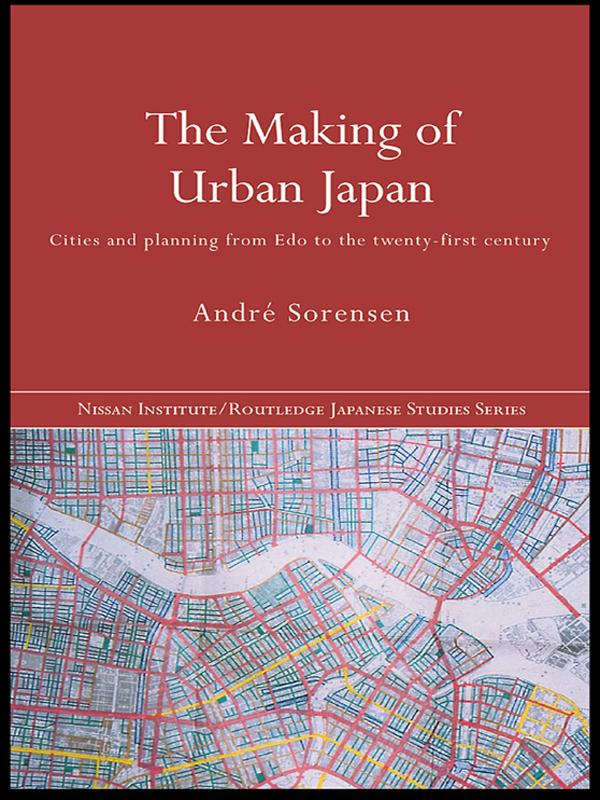
During the twentieth century, Japan was transformed from a poor, primarily rural country into one of the world's largest industrial powers and most highly urbanised countries. Interestingly, while Japanese governments and planners borrowed carefully from the planning ideas and methods of many other countries, Japanese urban planning, urban governance and cities developed very differently from those of other developed countries. Japan's distinctive patterns of urbanisation are partly a product of the highly developed urban system, urban traditions and material culture of the pre-modern period, which remained influential until well after the Pacific War. A second key influence has been the dominance of central government in urban affairs, and its consistent prioritisation of economic growth over the public welfare or urban quality of life. André Sorensen examines Japan's urban trajectory from the mid-nineteenth century to the present, paying particular attention to the weak development of Japanese civil society, local governments, and land development and planning regulations.
Sivuja: 400
Kategoria: Arkitektur & Stadsplanering
e-ISBN: 9781134736577
Lähetyspaino: 1.2 kg
Toimitusaika: 1-2 päivää
Maksa helposti kortilla, Klarnalla, Apple Paylla tai Google Paylla. Etkö ole tyytyväinen? Sinulla on aina 14 päivän palautusoikeus. Lue lisää ehdoistamme. Jos sinulla on kysyttävää, lähetä meille sähköpostia osoitteeseen hello@memmo.org.
Memmo tekee opiskelusta helpompaa – missä päin maailmaa ikinä oletkin. Meillä yhdistät kurssikirjat ja fiksut opiskelutyökalut yhteen paikkaan: tiivistelmät, visat, podcastit ja muistikortit. Ja sitten Ted, opiskelukaverisi, joka vastaa kaikkeen, mitä ikinä mietitkin. Yli 50 000 opiskelijaa opiskelee jo täällä – rakennettu auttamaan sinua oppimaan nopeammin ja stressaamaan vähemmän.
Saatat pitää myös näistä
Osta kirja0