
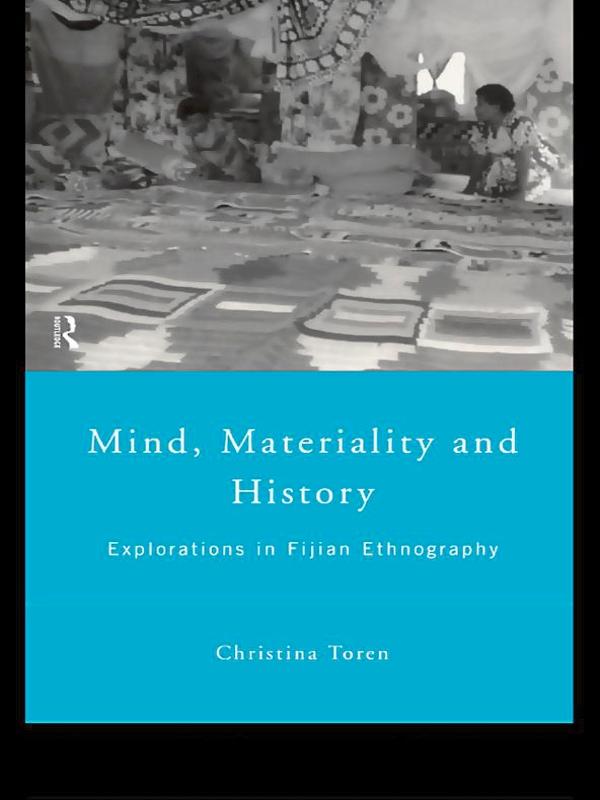
How do we become who we are? How is it that people are so similar in the ways they differ from one another, and so different in the ways they are the same?
Christina Toren's theory of mind as not only a physical phenomenon, but an historical one, sets out to answer these questions by examining how the material world of objects and other people informs the constitution of mind in persons over time.
This theory of embodied mind as a microhistorical process is set out in the first chapter, providing a context for the nine papers that follow. Questions explored include the way meaning-making processes reference an historically specific world and are responsible at once for continuity and change, how ritual informs children's constitution of the categories adults use to describe the world, and how people represent their relationships with one another and in so doing come to embody history.
Mind, Materiality and History has direct relevance to current debates on the nature of mind and consciousness, and demonstrates the centrality of the study of children to social analysis. It will be a valuable resource for students and scholars with an interest in anthropological theory and methodology, as well as those engaged in material culture studies.
Maksa helposti kortilla, Klarnalla, Apple Paylla tai Google Paylla. Etkö ole tyytyväinen? Sinulla on aina 14 päivän palautusoikeus. Lue lisää ehdoistamme. Jos sinulla on kysyttävää, lähetä meille sähköpostia osoitteeseen hello@memmo.org.
Memmo tekee opiskelusta helpompaa – missä päin maailmaa ikinä oletkin. Meillä yhdistät kurssikirjat ja fiksut opiskelutyökalut yhteen paikkaan: tiivistelmät, visat, podcastit ja muistikortit. Ja sitten Ted, opiskelukaverisi, joka vastaa kaikkeen, mitä ikinä mietitkin. Yli 50 000 opiskelijaa opiskelee jo täällä – rakennettu auttamaan sinua oppimaan nopeammin ja stressaamaan vähemmän.