
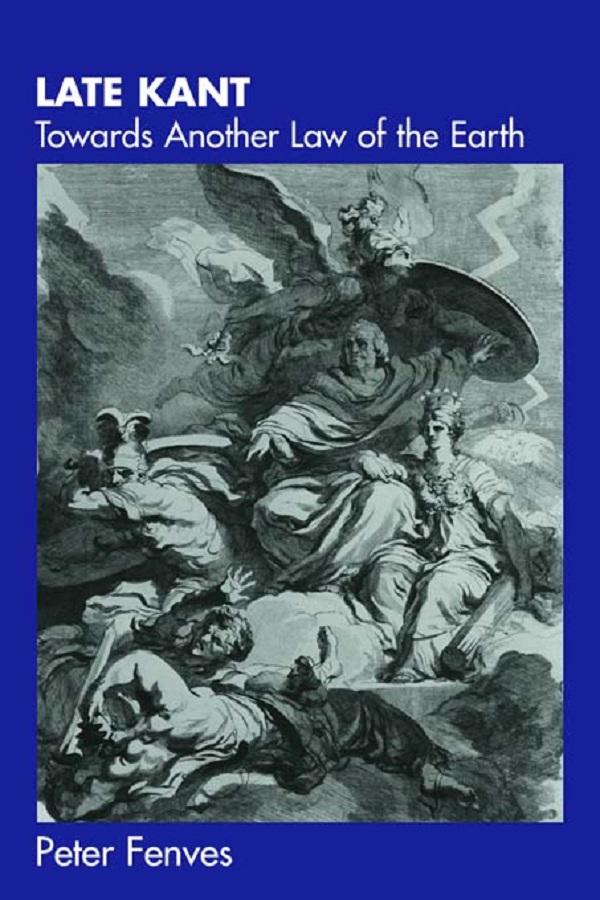
Immanuel Kant spent many of his younger years working on what are generally considered his masterpieces: the three Critiques. But his work did not stop there: in later life he began to reconsider subjects such as anthropology, and topics including colonialism, race and peace.
In Late Kant, Peter Fenves becomes one of the first to thoroughly explore Kant's later writings and give them the detailed scholarly attention they deserve. In his opening chapters, Fenves examines in detail the various essays in which Kant invents, formulates and complicates the thesis of 'radical evil' - a thesis which serves as the point of departure for all his later writings. Late Kant then turns towards the counter-thesis of 'radical mean-ness', which states that human beings exist on earth for the sake of another species or race of human beings. The consequences of this startling thesis are that human beings cannot claim possession of the earth, but must rather prepare the earth for its rightful owners.
Late Kant is the first book to develop the 'geo-ethics' of Kant's thought, and the idea that human beings must be prepared to concede their space for another kind of human. It is essential reading for anyone interested in the later works of Immanuel Kant.
Maksa helposti kortilla, Klarnalla, Apple Paylla tai Google Paylla. Etkö ole tyytyväinen? Sinulla on aina 14 päivän palautusoikeus. Lue lisää ehdoistamme. Jos sinulla on kysyttävää, lähetä meille sähköpostia osoitteeseen hello@memmo.org.
Memmo tekee opiskelusta helpompaa – missä päin maailmaa ikinä oletkin. Meillä yhdistät kurssikirjat ja fiksut opiskelutyökalut yhteen paikkaan: tiivistelmät, visat, podcastit ja muistikortit. Ja sitten Ted, opiskelukaverisi, joka vastaa kaikkeen, mitä ikinä mietitkin. Yli 50 000 opiskelijaa opiskelee jo täällä – rakennettu auttamaan sinua oppimaan nopeammin ja stressaamaan vähemmän.