
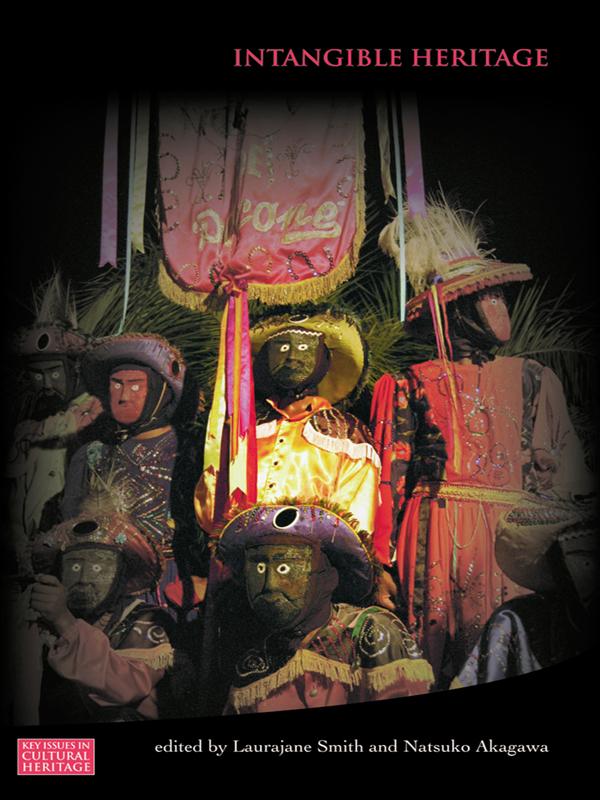
This volume examines the implications and consequences of the idea of ‘intangible heritage’ to current international academic and policy debates about the meaning and nature of cultural heritage and the management processes developed to protect it. It provides an accessible account of the different ways in which intangible cultural heritage has been defined and managed in both national and international contexts, and aims to facilitate international debate about the meaning, nature and value of not only intangible cultural heritage, but heritage more generally.
Intangible Heritage fills a significant gap in the heritage literature available and represents a significant cross section of ideas and practices associated with intangible cultural heritage. The authors brought together for this volume represent some of the key academics and practitioners working in the area, and discuss research and practices from a range of countries, including: Zimbabwe, Morocco, South Africa, Japan, Australia, United Kingdom, the Netherlands, USA, Brazil and Indonesia, and bring together a range of areas of expertise which include anthropology, law, heritage studies, archaeology, museum studies, folklore, architecture, Indigenous studies and history.
Maksa helposti kortilla, Klarnalla, Apple Paylla tai Google Paylla. Etkö ole tyytyväinen? Sinulla on aina 14 päivän palautusoikeus. Lue lisää ehdoistamme. Jos sinulla on kysyttävää, lähetä meille sähköpostia osoitteeseen hello@memmo.org.
Memmo tekee opiskelusta helpompaa – missä päin maailmaa ikinä oletkin. Meillä yhdistät kurssikirjat ja fiksut opiskelutyökalut yhteen paikkaan: tiivistelmät, visat, podcastit ja muistikortit. Ja sitten Ted, opiskelukaverisi, joka vastaa kaikkeen, mitä ikinä mietitkin. Yli 50 000 opiskelijaa opiskelee jo täällä – rakennettu auttamaan sinua oppimaan nopeammin ja stressaamaan vähemmän.