
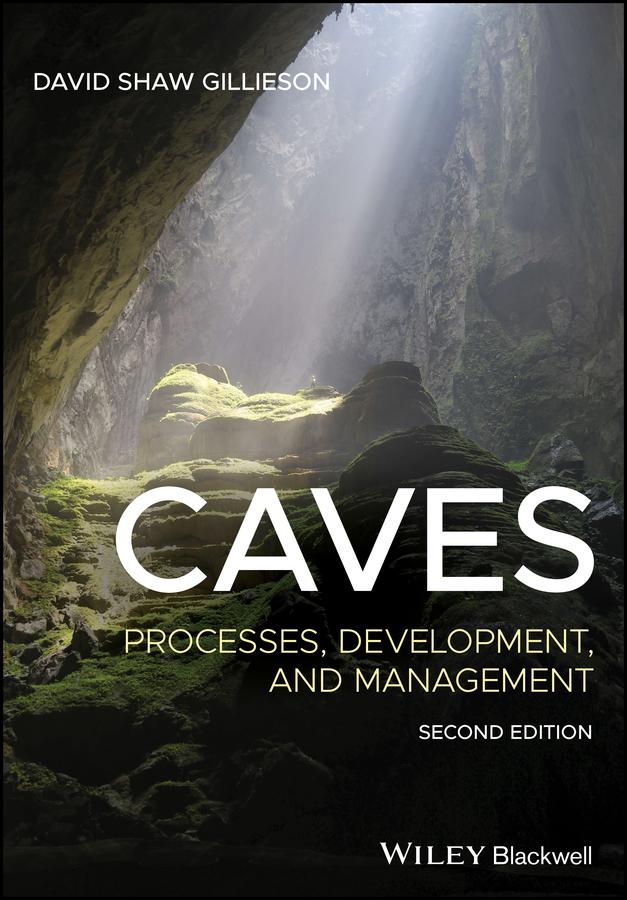
People have been interested in caves for a very long time. Our distant ancestors used them for shelter, as sources of water, and as places in which to conduct essential rituals. They adorned their walls with quite sophisticated artwork depicting both their existential and spiritual concerns. Caves feature in our mythology, they are used as places of worship in many cultures, and they are used throughout the world as places in which to store prized foodstuffs and wine. For at least two hundred years they have attracted scientists, artists, photographers, and recreational cavers. This book aims examines how caves form, the light they shed on past environments and climates, and the values, both environmental and cultural, that they provide to humanity.
This second edition of Caves: Processes, Development, and Management is a welcome revision of the author's earlier treatment released over twenty years ago. It has been updated, significantly expanded, and largely rewritten. The intervening years have seen a dramatic increase in karst and cave research globally, with significant advances in our understanding of fundamental processes, in our ability to extract proxy climatic and environmental data from cave deposits, and in our understanding of the breadth of cave values and as a result the complexity of their management needs. This new edition adopts a broad international perspective in the research examples used and the cited literature, and has actively sought out material from the tropical world and the southern continents, thus avoiding the European and North American bias frequently found in speleological publications.
Caves: Processes, Development, and Management, Second Edition, is organised into four sections. In the first section, contemporary processes of cave formation are examined. The second section of the book deals with past processes and their physical manifestation. In the third section, the use of caves by various organisms from bacteria to humans is explored. The final section of the book reviews our changing approaches to cave management and to catchment management on karst terrains. The book will be of use to anyone who is interested in caves and karst, or who wants to understand about cave formation, development, values and management.
Maksa helposti kortilla, Klarnalla, Apple Paylla tai Google Paylla. Etkö ole tyytyväinen? Sinulla on aina 14 päivän palautusoikeus. Lue lisää ehdoistamme. Jos sinulla on kysyttävää, lähetä meille sähköpostia osoitteeseen hello@memmo.org.
Memmo tekee opiskelusta helpompaa – missä päin maailmaa ikinä oletkin. Meillä yhdistät kurssikirjat ja fiksut opiskelutyökalut yhteen paikkaan: tiivistelmät, visat, podcastit ja muistikortit. Ja sitten Ted, opiskelukaverisi, joka vastaa kaikkeen, mitä ikinä mietitkin. Yli 50 000 opiskelijaa opiskelee jo täällä – rakennettu auttamaan sinua oppimaan nopeammin ja stressaamaan vähemmän.