
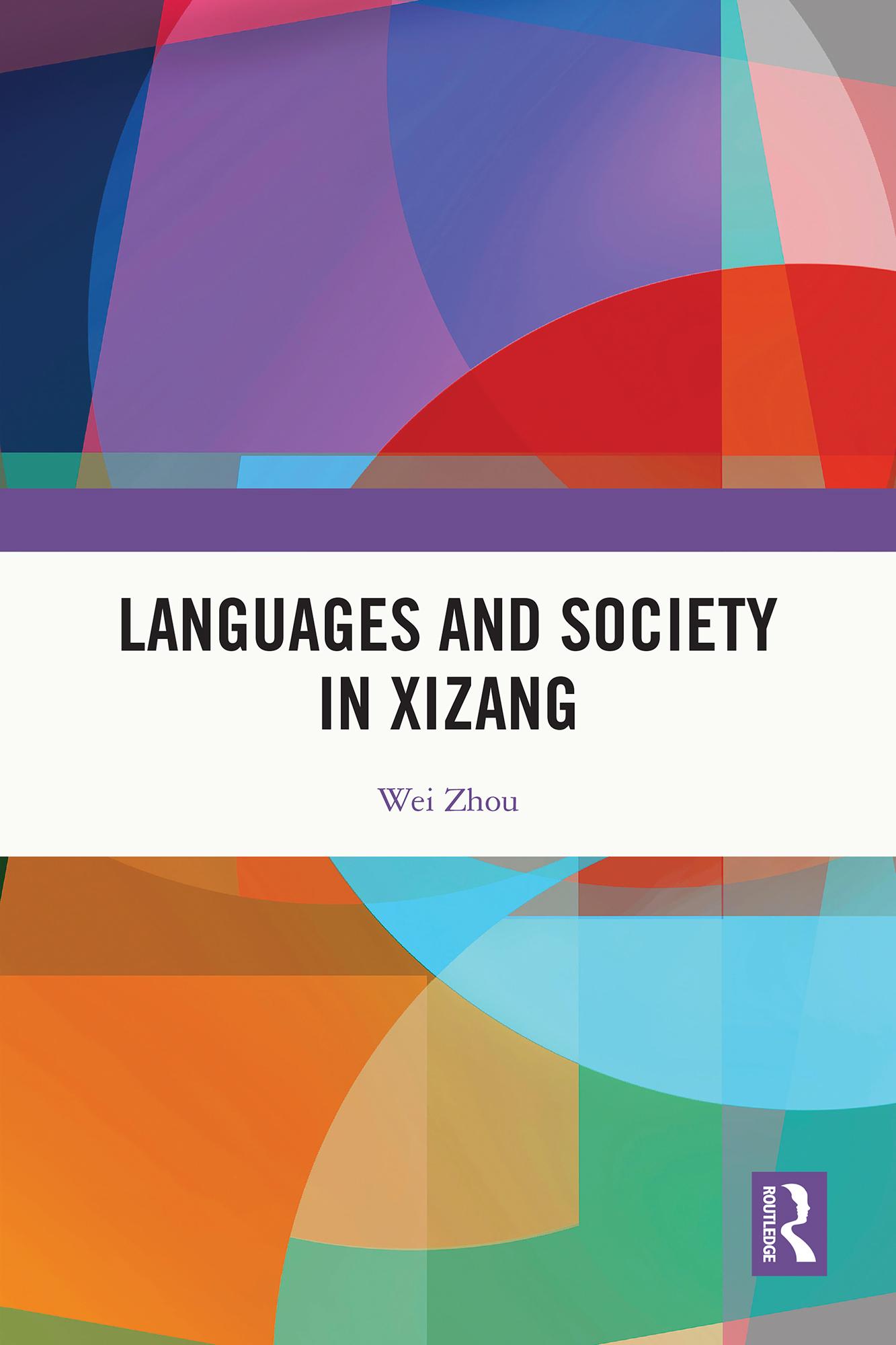
This book examines the role of language in the modernisation of Xizang, the evolution of Tibetan language studies, and changes to China’s ethnic language policies.
Based on fieldwork and policy analysis, it provides a comprehensive and accessible account of the linguistic landscape of Xizang, situated within its social, cultural, and historical context. The author examines daily language use in urban and rural settings, provides a clear overview of Tibetan language education at different levels of schooling, and investigates bilingualism in Lhasa. The research shows that language policies and practices are evolving in tandem with the region’s modernisation.
The book will appeal to researchers and students of sociolinguistics, Tibetan studies, and language policy, as well as to general readers who wish to gain an understanding of the intersection between language and everyday life and social development in the region.
Maksa helposti kortilla, Klarnalla, Apple Paylla tai Google Paylla. Etkö ole tyytyväinen? Sinulla on aina 14 päivän palautusoikeus. Lue lisää ehdoistamme. Jos sinulla on kysyttävää, lähetä meille sähköpostia osoitteeseen hello@memmo.org.
Memmo tekee opiskelusta helpompaa – missä päin maailmaa ikinä oletkin. Meillä yhdistät kurssikirjat ja fiksut opiskelutyökalut yhteen paikkaan: tiivistelmät, visat, podcastit ja muistikortit. Ja sitten Ted, opiskelukaverisi, joka vastaa kaikkeen, mitä ikinä mietitkin. Yli 50 000 opiskelijaa opiskelee jo täällä – rakennettu auttamaan sinua oppimaan nopeammin ja stressaamaan vähemmän.