
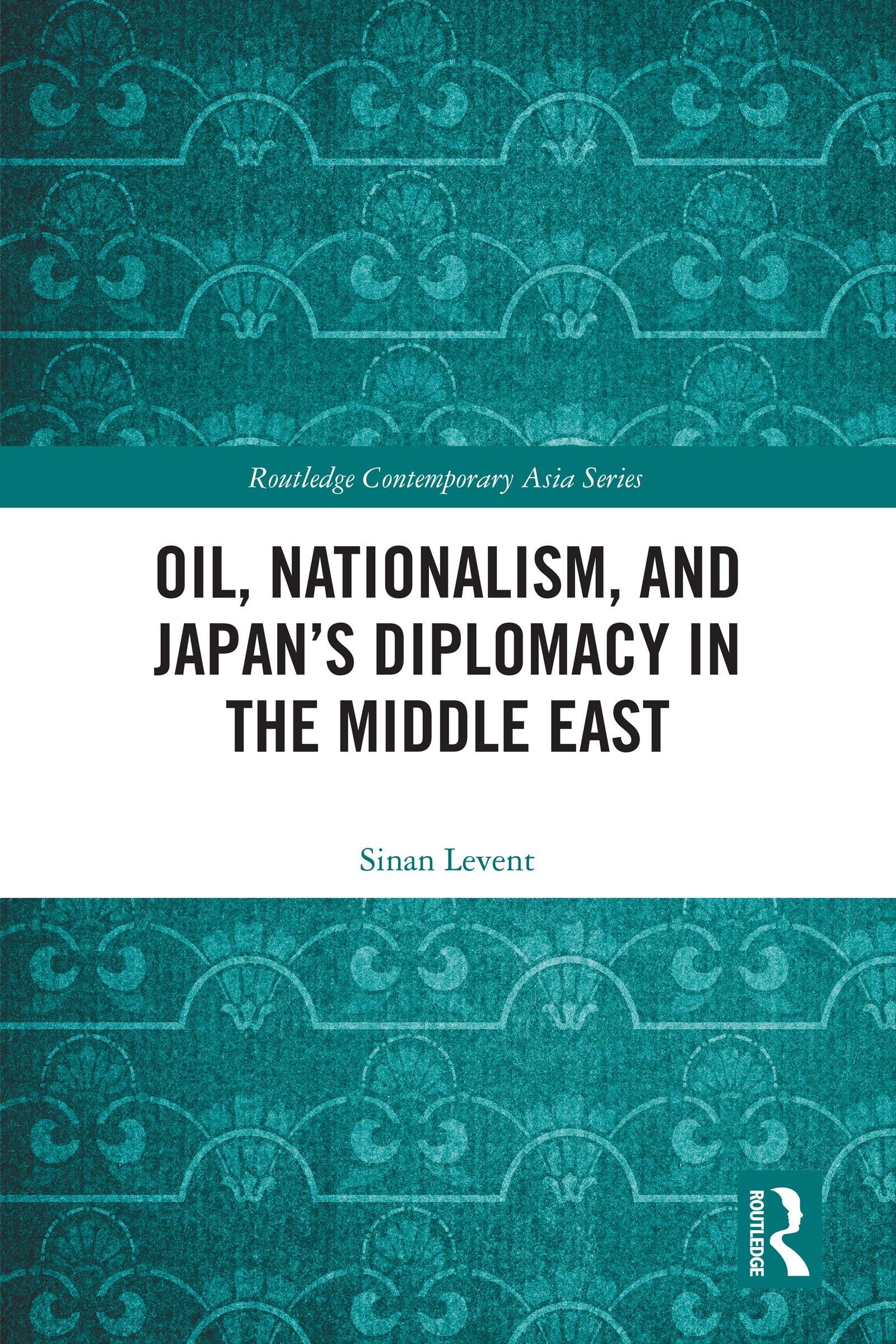
This book investigates the untold story of how private Japanese entrepreneurs shaped the country’s post-war Middle East diplomacy through independent oil ventures. Moving beyond traditional narratives that focus solely on state-led resource security, it highlights the role of “national oil capital”, specifically the activities of business leaders Idemitsu Sazō, Yamashita Tarō, Tanaka Seigen and Sugimoto Shigeru.
Tracing Japan’s re-engagement with the Islamic world from the 1950s through to the 1973 Oil Crisis, the book reveals how these entrepreneurs, driven by a unique blend of pre-war Pan-Asianist ideology and anti-Western resource nationalism, forged direct energy ties with Iran, Saudi Arabia, Kuwait and Abu Dhabi. By analysing rare primary sources, including the Tanaka Seigen documents and corporate archives, the book demonstrates that these non-state actors did not merely secure oil; they reconstructed Japan’s geopolitical identity, acting as an informal bridge between the Japanese state and the rising nationalism of the Middle East.
Drawing on Japanese, English and Turkish sources, the book challenges dominant narratives of Japan’s passivity in the Islamic world and offers a compelling reinterpretation of the post-war international order from a non-Western perspective. As such, this is a timely contribution to the fields of international history, Asian studies, Middle Eastern studies and energy geopolitics.
Maksa helposti kortilla, Klarnalla, Apple Paylla tai Google Paylla. Etkö ole tyytyväinen? Sinulla on aina 14 päivän palautusoikeus. Lue lisää ehdoistamme. Jos sinulla on kysyttävää, lähetä meille sähköpostia osoitteeseen hello@memmo.org.
Memmo tekee opiskelusta helpompaa – missä päin maailmaa ikinä oletkin. Meillä yhdistät kurssikirjat ja fiksut opiskelutyökalut yhteen paikkaan: tiivistelmät, visat, podcastit ja muistikortit. Ja sitten Ted, opiskelukaverisi, joka vastaa kaikkeen, mitä ikinä mietitkin. Yli 50 000 opiskelijaa opiskelee jo täällä – rakennettu auttamaan sinua oppimaan nopeammin ja stressaamaan vähemmän.