
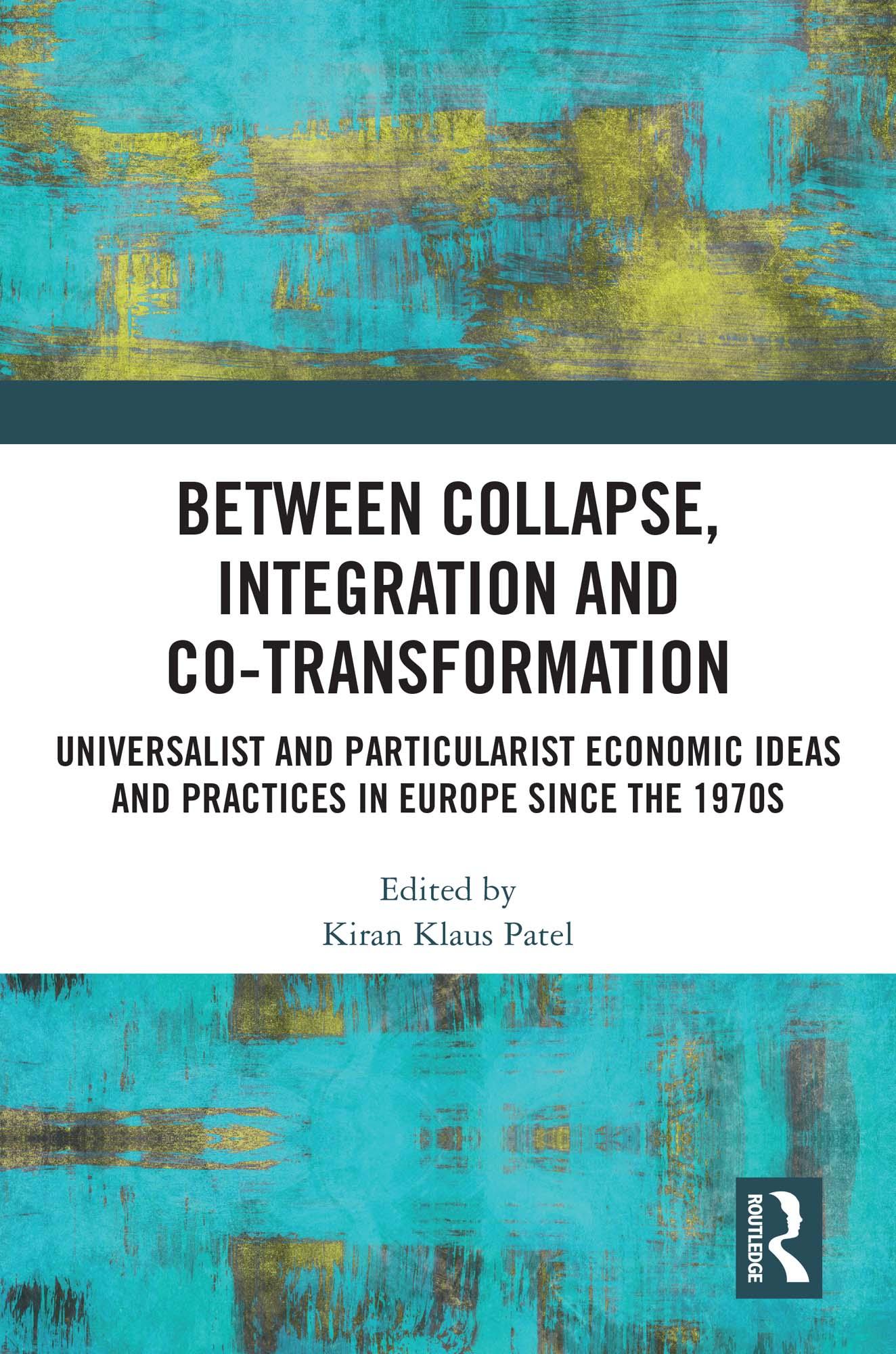
This book comprises a collection of essays that delves into the economic history of Europe since the 1970s, offering a fresh perspective on the period by examining the interplay between universalist and particularist claims to validity. By exploring how these claims were constructed, justified, and contested, this book sheds new light on the ways they shaped political and social change in contemporary European history. Through a critical analysis of the economy as a dynamic field, the essays uncover the complexities of universalist and particularist concepts, their interactions, and the tensions they generate, providing a nuanced understanding of their role in shaping modern Europe.
Focusing on the intersection of economic history, political theory, and social change, this book will appeal to students, scholars, and readers interested in European history, economic thought, and the evolution of contemporary political ideologies. It is particularly relevant for those studying the historical roots of current debates on globalization, identity, and the challenges to universalist ideals in an increasingly fragmented world.
The chapters in this book were originally published as a special issue of the European Review of History.
Maksa helposti kortilla, Klarnalla, Apple Paylla tai Google Paylla. Etkö ole tyytyväinen? Sinulla on aina 14 päivän palautusoikeus. Lue lisää ehdoistamme. Jos sinulla on kysyttävää, lähetä meille sähköpostia osoitteeseen hello@memmo.org.
Memmo tekee opiskelusta helpompaa – missä päin maailmaa ikinä oletkin. Meillä yhdistät kurssikirjat ja fiksut opiskelutyökalut yhteen paikkaan: tiivistelmät, visat, podcastit ja muistikortit. Ja sitten Ted, opiskelukaverisi, joka vastaa kaikkeen, mitä ikinä mietitkin. Yli 50 000 opiskelijaa opiskelee jo täällä – rakennettu auttamaan sinua oppimaan nopeammin ja stressaamaan vähemmän.