
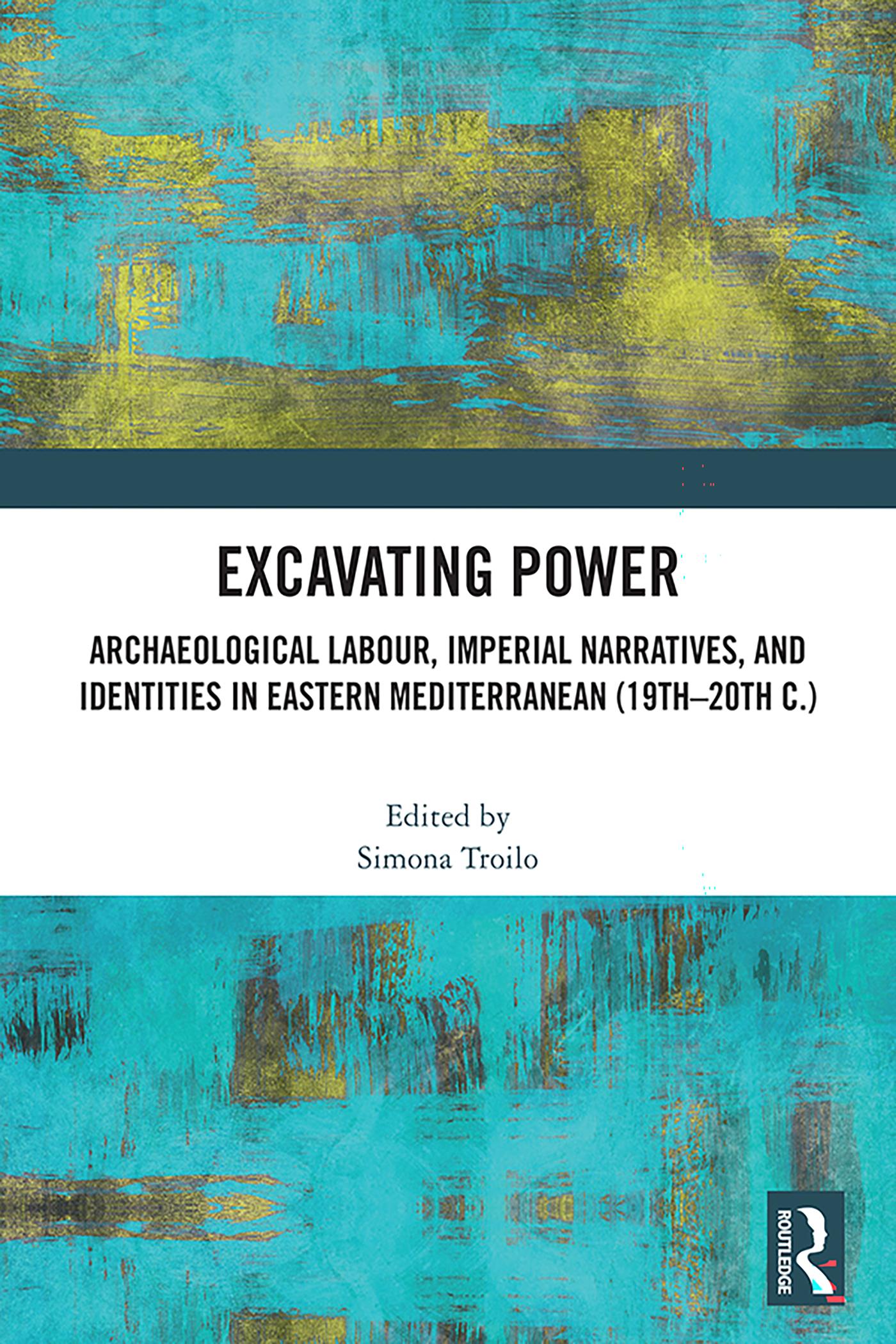
This book analyses archaeological excavations and the use of antiquities in the eastern Mediterranean from a unique and original perspective, that of power relations built on the vestiges of the past. Starting with Egypt, Crete, Palestine, Greece and Ottoman Empire, the authors of the essays reconstruct the history of some European excavations in Ottoman and post-Ottoman times, bringing to light the marginalised actors and the different narratives shaped on antiquities. Men, women and children recruited locally to dig, guides and interpreters in the service of archaeologists are some of the protagonists of these stories, which allow us to go beyond European stereotypes and shed light on how local communities perceived and experienced the excavations. The narratives and interpretations applied to unearthed or restored antiquities also help us understand how traces of the past were used to legitimise imperialism and reinforce identities based on ideas of cultural superiority and inferiority.
This interdisciplinary volume spans archaeology, colonial studies, Ottoman history, Mediterranean studies, and cultural anthropology, making it essential reading for students and researchers in Middle Eastern studies, museum studies, and heritage management and scholars examining the intersection of power, identity, and heritage.
The chapters in this book were originally published as a special issue of European Review of History.
Maksa helposti kortilla, Klarnalla, Apple Paylla tai Google Paylla. Etkö ole tyytyväinen? Sinulla on aina 14 päivän palautusoikeus. Lue lisää ehdoistamme. Jos sinulla on kysyttävää, lähetä meille sähköpostia osoitteeseen hello@memmo.org.
Memmo tekee opiskelusta helpompaa – missä päin maailmaa ikinä oletkin. Meillä yhdistät kurssikirjat ja fiksut opiskelutyökalut yhteen paikkaan: tiivistelmät, visat, podcastit ja muistikortit. Ja sitten Ted, opiskelukaverisi, joka vastaa kaikkeen, mitä ikinä mietitkin. Yli 50 000 opiskelijaa opiskelee jo täällä – rakennettu auttamaan sinua oppimaan nopeammin ja stressaamaan vähemmän.