
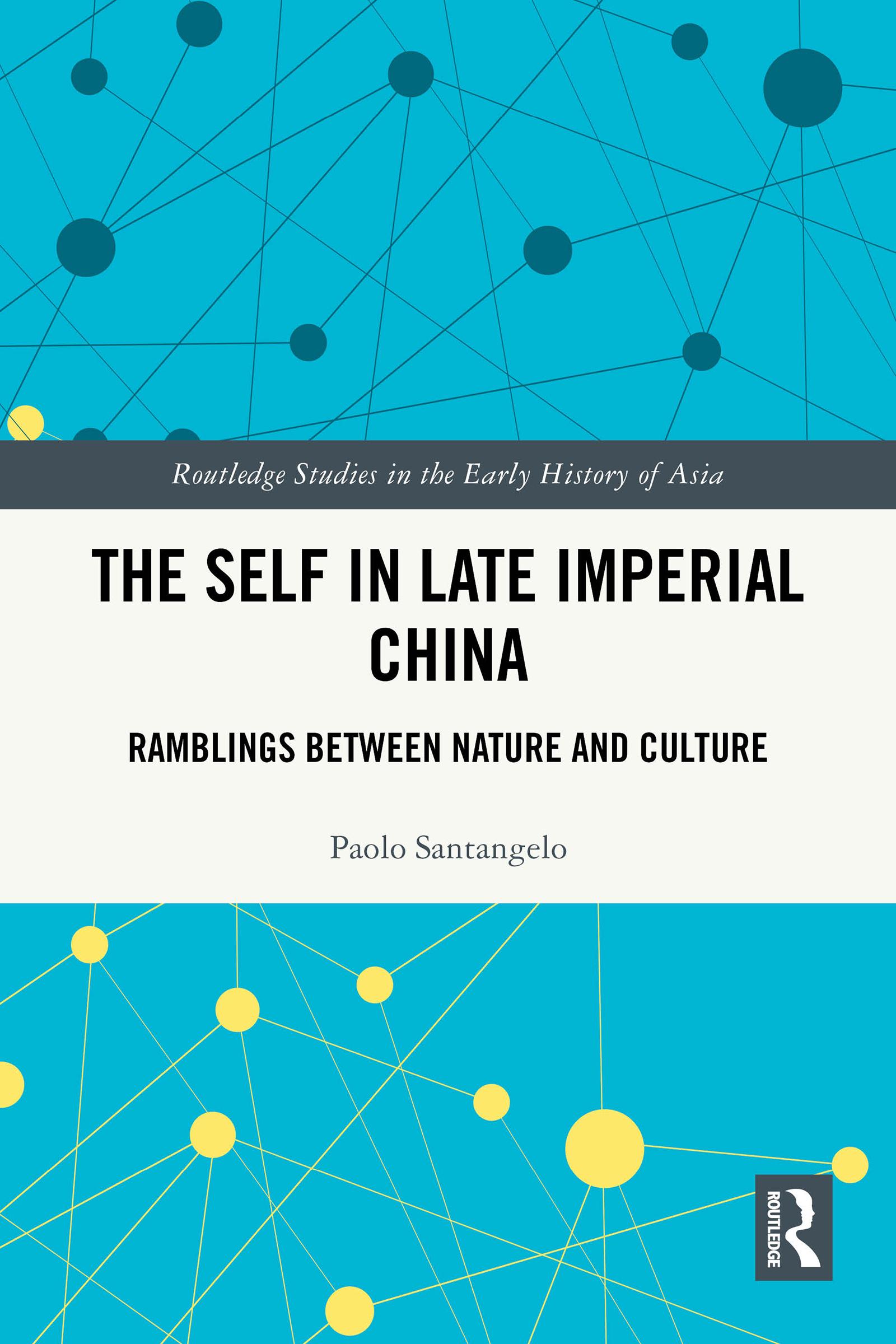
This book reflects on the representation of the self in late imperial China, prior to the influence of Western philosophical paradigms.
Examining how early modern Chinese literati and intellectuals conceived of selfhood, with particular attention to emotions, desires, moral sentiments, passions, and the embodied experience of sensory feelings, the book adopts a comparative perspective, engaging directly with Chinese sources while drawing cross-cultural parallels with debates among modern Western thinkers such as Spinoza and Nietzsche. Two key concepts anchor the analysis: the affective world—emotions and dispositions (qing)—and authenticity (zhen), which underpinned what some scholars have termed the “cult of qing.” The study explores how these ideas reshaped notions of the self, revealing tensions between natural impulses and moral cultivation.
Engaging with both Chinese sources and modern Western thinkers, this book will be a valuable resource to students and scholars of Intellectual history, Chinese history and culture, and History of ideas.
Maksa helposti kortilla, Klarnalla, Apple Paylla tai Google Paylla. Etkö ole tyytyväinen? Sinulla on aina 14 päivän palautusoikeus. Lue lisää ehdoistamme. Jos sinulla on kysyttävää, lähetä meille sähköpostia osoitteeseen hello@memmo.org.
Memmo tekee opiskelusta helpompaa – missä päin maailmaa ikinä oletkin. Meillä yhdistät kurssikirjat ja fiksut opiskelutyökalut yhteen paikkaan: tiivistelmät, visat, podcastit ja muistikortit. Ja sitten Ted, opiskelukaverisi, joka vastaa kaikkeen, mitä ikinä mietitkin. Yli 50 000 opiskelijaa opiskelee jo täällä – rakennettu auttamaan sinua oppimaan nopeammin ja stressaamaan vähemmän.