
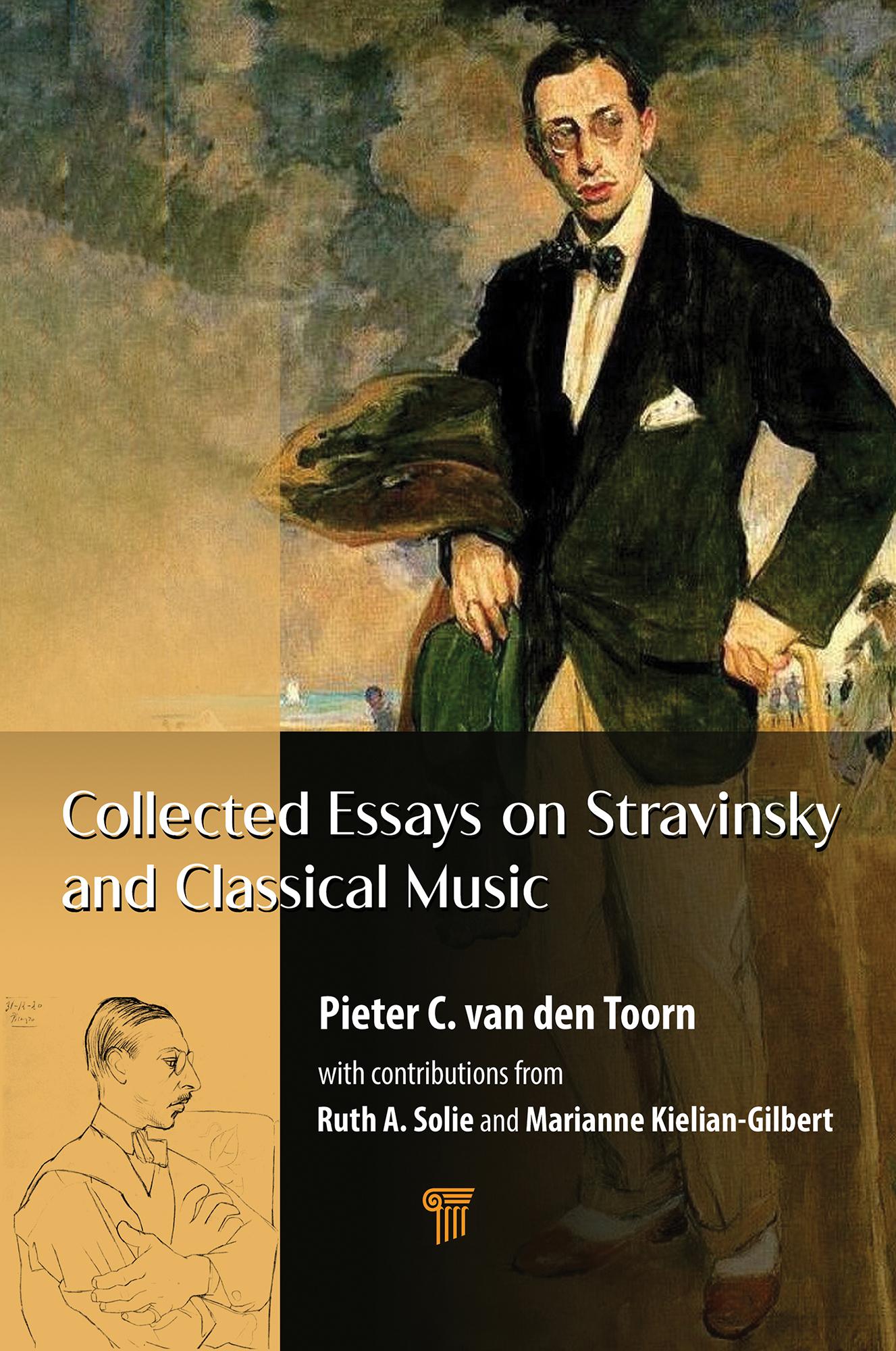
The most celebrated of 20th-century composers, Igor Stravinsky may also have been the greatest. The early chapters in this volume address the dynamics of his music from a number of analytic-theoretical perspectives. Examined initially are the features of harmony, melody, and rhythm that would remain characteristic of his music regardless of the changes in stylistic orientation. Chapter 2 turns more specifically to the Stravinsky–Balanchine ballet Agon, an essay published here for the first time. The subsequent chapters focus on The Rite of Spring. The critical commentary of Theodor Adorno and Richard Taruskin is assessed, as is Matthew McDonald’s attempt to derive the irregular rhythmic patterns in The Rite from “intervallic series.” The topics in the latter chapters are aesthetic and critical as well as analytical: the New Musicology of the 1980s and 1990s, the use of overtly political and feminist ideas in the analysis of Beethoven’s music, the “relative autonomy” of music, and the pluralism of 20th-century music. Heinrich Schenker’s theory of tonal music is discussed and defended against many of its critics, past and present, while Ruth A. Solie and Marianne Kielian-Gilbert respond critically to these and many other issues, adding variety and life to the inquiry as a whole.
Maksa helposti kortilla, Klarnalla, Apple Paylla tai Google Paylla. Etkö ole tyytyväinen? Sinulla on aina 14 päivän palautusoikeus. Lue lisää ehdoistamme. Jos sinulla on kysyttävää, lähetä meille sähköpostia osoitteeseen hello@memmo.org.
Memmo tekee opiskelusta helpompaa – missä päin maailmaa ikinä oletkin. Meillä yhdistät kurssikirjat ja fiksut opiskelutyökalut yhteen paikkaan: tiivistelmät, visat, podcastit ja muistikortit. Ja sitten Ted, opiskelukaverisi, joka vastaa kaikkeen, mitä ikinä mietitkin. Yli 50 000 opiskelijaa opiskelee jo täällä – rakennettu auttamaan sinua oppimaan nopeammin ja stressaamaan vähemmän.