
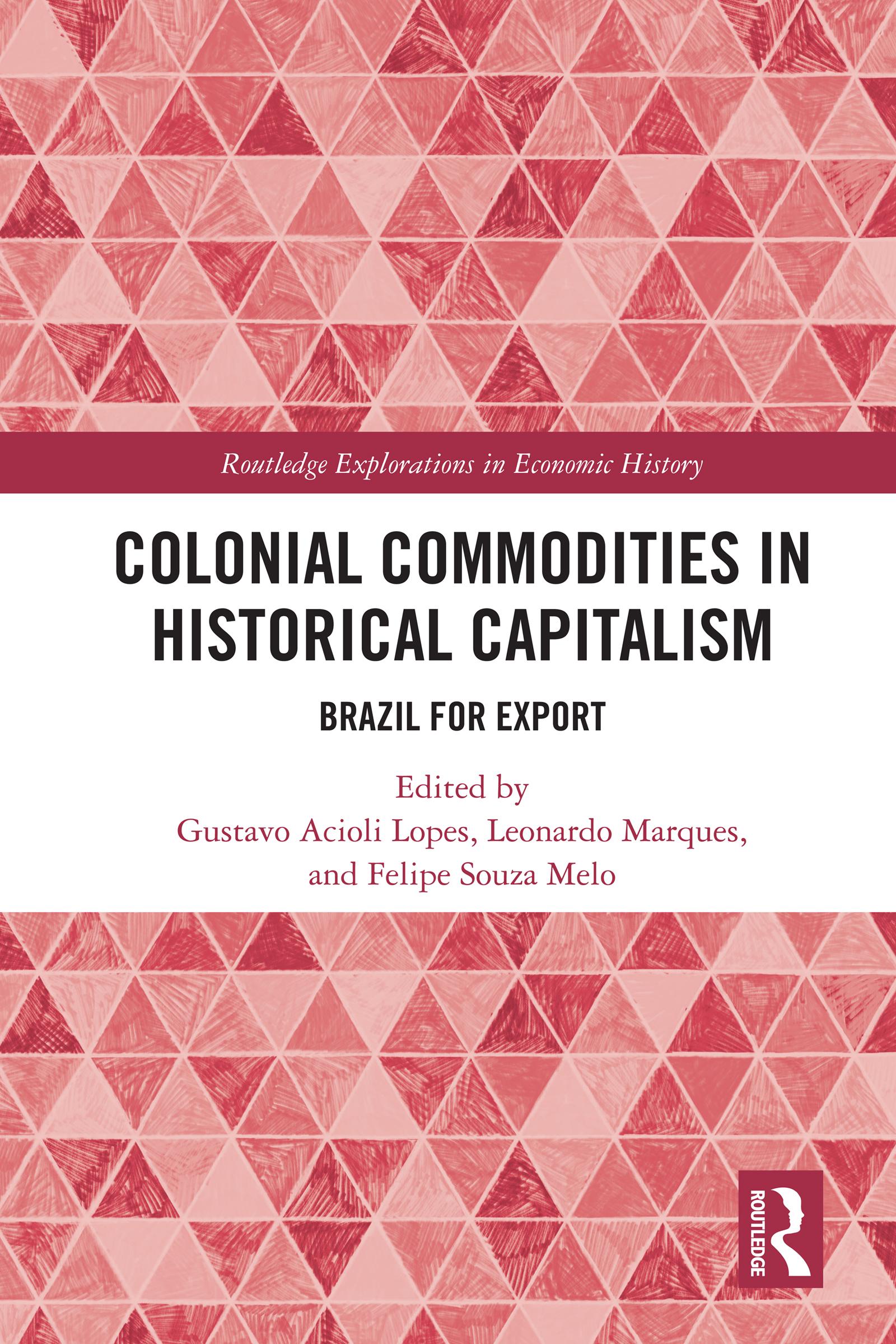
From the role of sugar in the early history of the colonial era to coffee in the long nineteenth century, commodities have played a crucial role in the development of the Brazilian economy.
Drawing on the history of commodities approach, this book explores both the external and internal commodity markets since the time that Portuguese settlers established new commodity frontiers to supply global markets based on the coerced labor of the native population and of millions of enslaved Africans and their descendants. The chapters in this book each focus on a specific commodity – including cotton, leather, timber, and soy – that have shaped not only the history of Brazil but also of the wider world. Each contributor outlines how a particular export sector integrated Brazil into global circuits of trade, thus contributing to the making of the modern capitalist economy. This approach also allows for the exploration of different aspects of the extraction and production of these goods, including the various labor regimes employed and the environmental conditions and impacts that accompanied them.
The book will be of interest to all readers in economic history, especially in its intersections with social, political, cultural, and environmental processes and in the broader context of the development of global capitalism.
Maksa helposti kortilla, Klarnalla, Apple Paylla tai Google Paylla. Etkö ole tyytyväinen? Sinulla on aina 14 päivän palautusoikeus. Lue lisää ehdoistamme. Jos sinulla on kysyttävää, lähetä meille sähköpostia osoitteeseen hello@memmo.org.
Memmo tekee opiskelusta helpompaa – missä päin maailmaa ikinä oletkin. Meillä yhdistät kurssikirjat ja fiksut opiskelutyökalut yhteen paikkaan: tiivistelmät, visat, podcastit ja muistikortit. Ja sitten Ted, opiskelukaverisi, joka vastaa kaikkeen, mitä ikinä mietitkin. Yli 50 000 opiskelijaa opiskelee jo täällä – rakennettu auttamaan sinua oppimaan nopeammin ja stressaamaan vähemmän.