
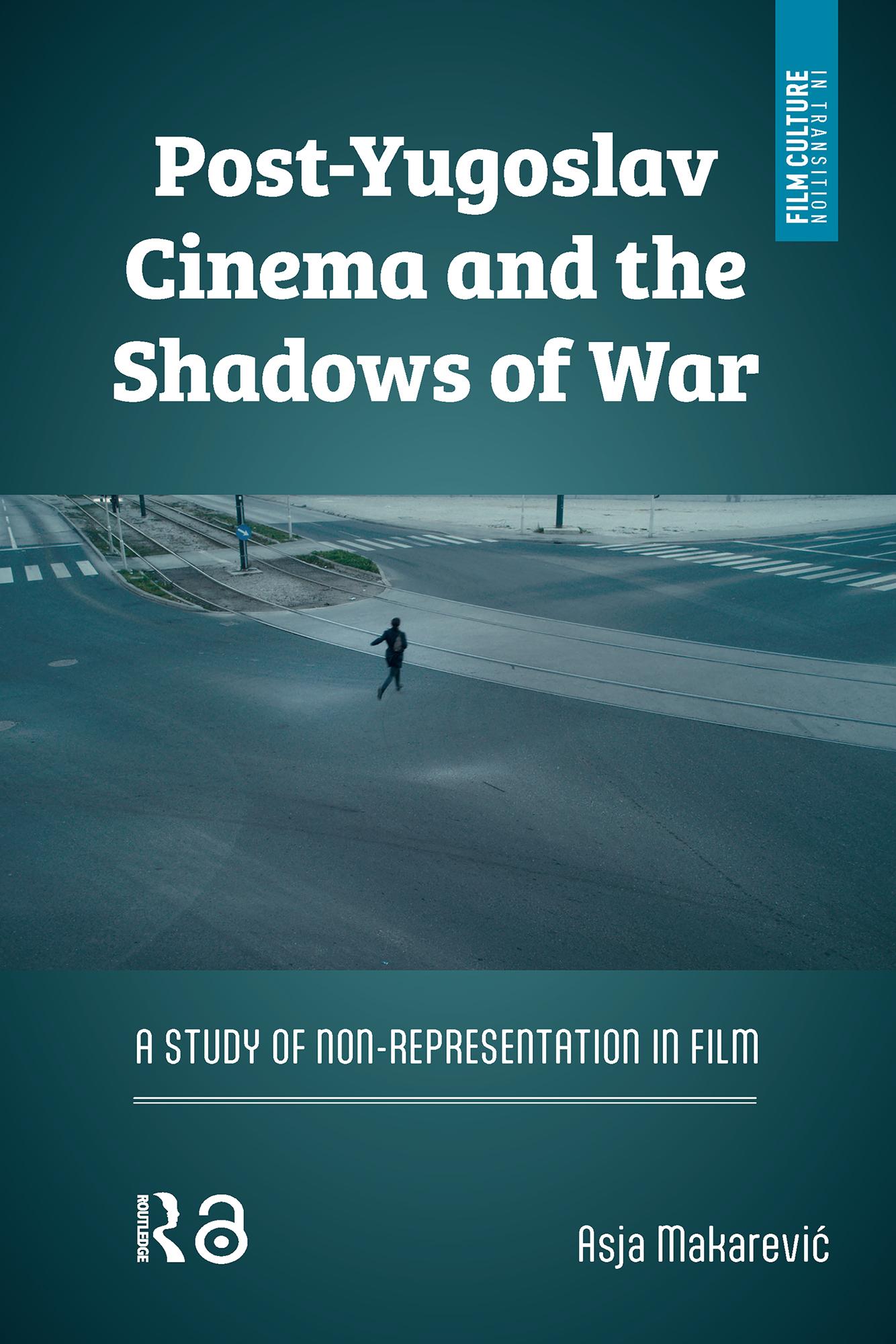
Bosnia-Herzegovina is still considered a post-war country. The concept of post-war implies that the country and its people are tied more strongly to the past than they are oriented towards the future. Paradoxically, as long as the future is kept at bay and the post-war condition kept alive, Bosnia maintains a certain significance on the global scene. However, living in the temporal vacuum of the post-war condition cannot be a long-term perspective. A range of post-Yugoslav films provides spectators with images that offer innovative approaches to the collective past, while simultaneously reframing contemporary experience. This study proposes to call non-representational images appears to offer a more dynamic relationship to the past and the present, while reflecting complex processes of the formation of identity, memory, guilt, and responsibility. But if these dynamics are inherent in non-representational images, is there a way in which they can contribute to overcoming the post-war condition?
Sivuja: 240
Kategoria: Film- & Medievetenskap
e-ISBN: 9781040800737
Lähetyspaino: 1.2 kg
Toimitusaika: 1-2 päivää
Maksa helposti kortilla, Klarnalla, Apple Paylla tai Google Paylla. Etkö ole tyytyväinen? Sinulla on aina 14 päivän palautusoikeus. Lue lisää ehdoistamme. Jos sinulla on kysyttävää, lähetä meille sähköpostia osoitteeseen hello@memmo.org.
Memmo tekee opiskelusta helpompaa – missä päin maailmaa ikinä oletkin. Meillä yhdistät kurssikirjat ja fiksut opiskelutyökalut yhteen paikkaan: tiivistelmät, visat, podcastit ja muistikortit. Ja sitten Ted, opiskelukaverisi, joka vastaa kaikkeen, mitä ikinä mietitkin. Yli 50 000 opiskelijaa opiskelee jo täällä – rakennettu auttamaan sinua oppimaan nopeammin ja stressaamaan vähemmän.
Saatat pitää myös näistä
Osta kirja0