
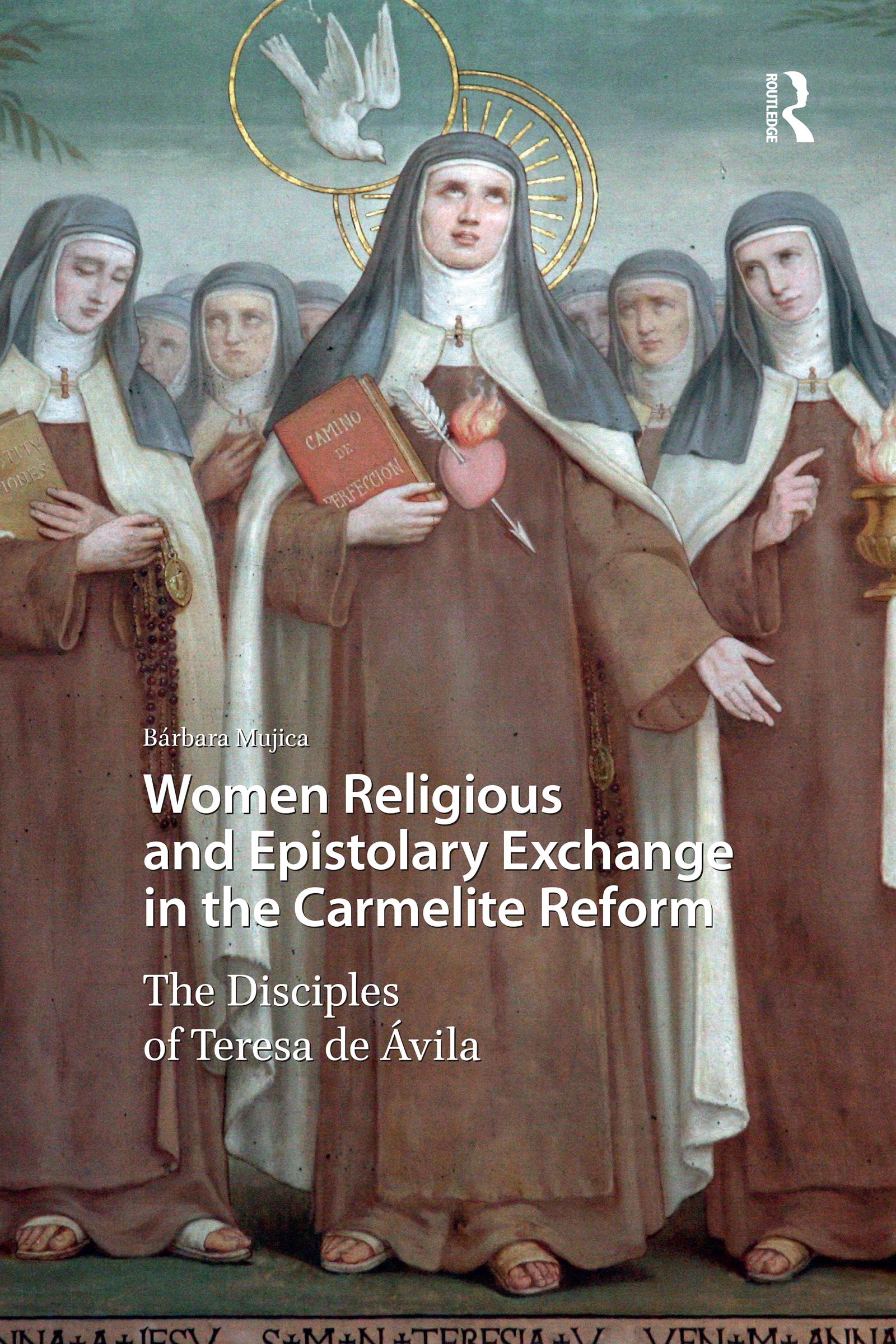
The sixteenth century was a period of crisis in the Catholic Church. Monastic reorganization was a major issue, and women were at the forefront of charting new directions in convent policy. The story of the Carmelite Reform has been told before, but never from the perspective of the women on the front lines. Nearly all accounts of the movement focus on Teresa de Avila, (1515-1582), and end with her death in 1582. Women Religious and Epistolary Exchange in the Carmelite Reform: The Disciples of Teresa de Avila carries the story beyond Teresa's death, showing how the next generation of Carmelite nuns struggled into the seventeenth century to continue her mission. It is unique in that it draws primarily from female-authored sources, in particular, the letters of three of Teresa's most dynamic disciples: María de San José, Ana de Jesús and Ana de San Bartolomé.
Maksa helposti kortilla, Klarnalla, Apple Paylla tai Google Paylla. Etkö ole tyytyväinen? Sinulla on aina 14 päivän palautusoikeus. Lue lisää ehdoistamme. Jos sinulla on kysyttävää, lähetä meille sähköpostia osoitteeseen hello@memmo.org.
Memmo tekee opiskelusta helpompaa – missä päin maailmaa ikinä oletkin. Meillä yhdistät kurssikirjat ja fiksut opiskelutyökalut yhteen paikkaan: tiivistelmät, visat, podcastit ja muistikortit. Ja sitten Ted, opiskelukaverisi, joka vastaa kaikkeen, mitä ikinä mietitkin. Yli 50 000 opiskelijaa opiskelee jo täällä – rakennettu auttamaan sinua oppimaan nopeammin ja stressaamaan vähemmän.