
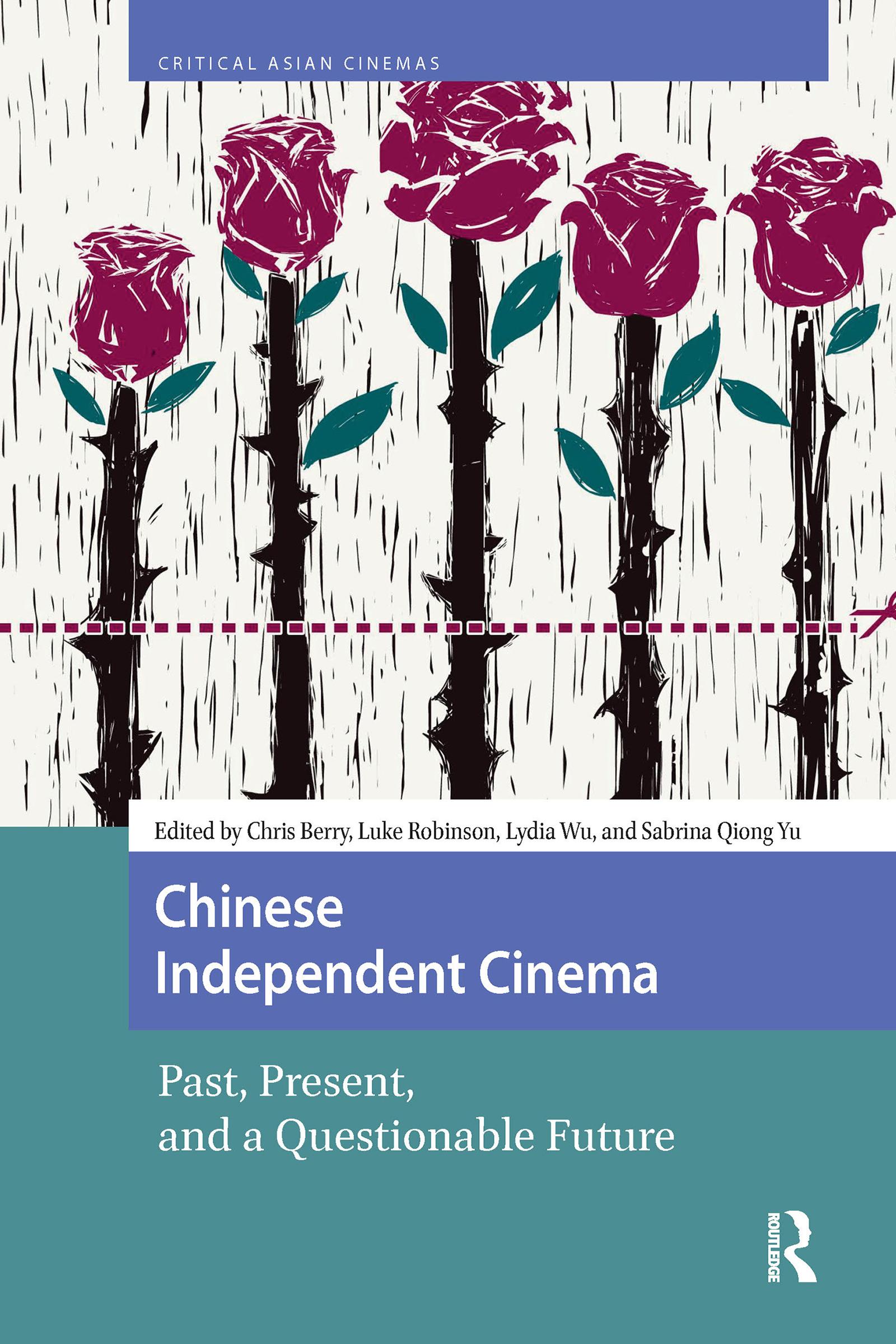
Independent cinema in China is not only made outside the commercial system but also without being submitted for censorship. We know that for several decades it has been the crucible out of which China’s most exciting new films have flowed. The essays in this volume interrogate what else we think we know. Did it really start with Wu Wenguang and Bumming in Beijing in 1990, or can its roots be traced back much earlier? What are its aesthetics? And its ethics, including of gender and class? Where do audiences watch these films in China and how do they circulate? And, since the 2017 Film Law defined uncensored films as illegal, is independent Chinese cinema still alive? What does it mean today? And does it have a future? The essays in this anthology—many by exciting new scholars—explore these urgent questions.
Maksa helposti kortilla, Klarnalla, Apple Paylla tai Google Paylla. Etkö ole tyytyväinen? Sinulla on aina 14 päivän palautusoikeus. Lue lisää ehdoistamme. Jos sinulla on kysyttävää, lähetä meille sähköpostia osoitteeseen hello@memmo.org.
Memmo tekee opiskelusta helpompaa – missä päin maailmaa ikinä oletkin. Meillä yhdistät kurssikirjat ja fiksut opiskelutyökalut yhteen paikkaan: tiivistelmät, visat, podcastit ja muistikortit. Ja sitten Ted, opiskelukaverisi, joka vastaa kaikkeen, mitä ikinä mietitkin. Yli 50 000 opiskelijaa opiskelee jo täällä – rakennettu auttamaan sinua oppimaan nopeammin ja stressaamaan vähemmän.
Saatat pitää myös näistä
Osta kirja0