
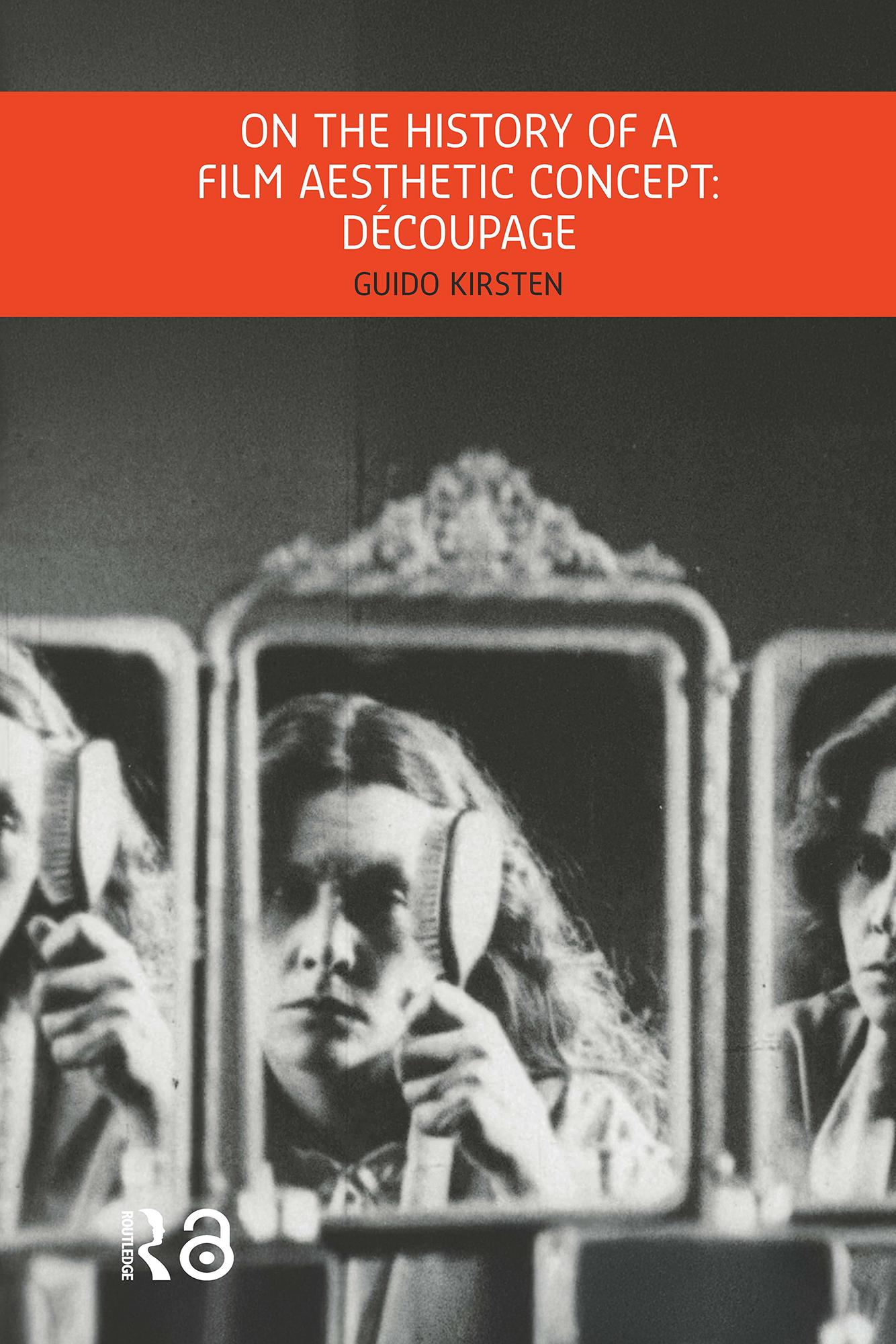
Unlike editing, découpage does not take place after the film has been shot, but before. The French term refers to the breakdown of a scene into a sequence of shots. In order to translate the written screenplay into film language, cinematographers and directors employ a genuinely cinematic way of thinking—a thinking in sequences of moving images and sounds, including the camera setups, movements, and shot sizes. Découpage is thus crucial in shaping a film's specific form. Using the tools of conceptual history, Guido Kirsten traces the term's evolution from its emergence in the 1910s through the eventful film history of the twentieth century until its recent rediscovery. By differentiating layers of meaning and discussing important shifts in the concept's evolution, this book improves the understanding of key film theoretical texts, whose meaning has been distorted by mistranslation, and shows how a deeper reflection of découpage promises to enrich the analysis of contemporary moving image media.
Sivuja: 200
Kategoria: Film- & Medievetenskap
e-ISBN: 9781040790007
Lähetyspaino: 1.2 kg
Toimitusaika: 1-2 päivää
Maksa helposti kortilla, Klarnalla, Apple Paylla tai Google Paylla. Etkö ole tyytyväinen? Sinulla on aina 14 päivän palautusoikeus. Lue lisää ehdoistamme. Jos sinulla on kysyttävää, lähetä meille sähköpostia osoitteeseen hello@memmo.org.
Memmo tekee opiskelusta helpompaa – missä päin maailmaa ikinä oletkin. Meillä yhdistät kurssikirjat ja fiksut opiskelutyökalut yhteen paikkaan: tiivistelmät, visat, podcastit ja muistikortit. Ja sitten Ted, opiskelukaverisi, joka vastaa kaikkeen, mitä ikinä mietitkin. Yli 50 000 opiskelijaa opiskelee jo täällä – rakennettu auttamaan sinua oppimaan nopeammin ja stressaamaan vähemmän.
Saatat pitää myös näistä
Osta kirja0