
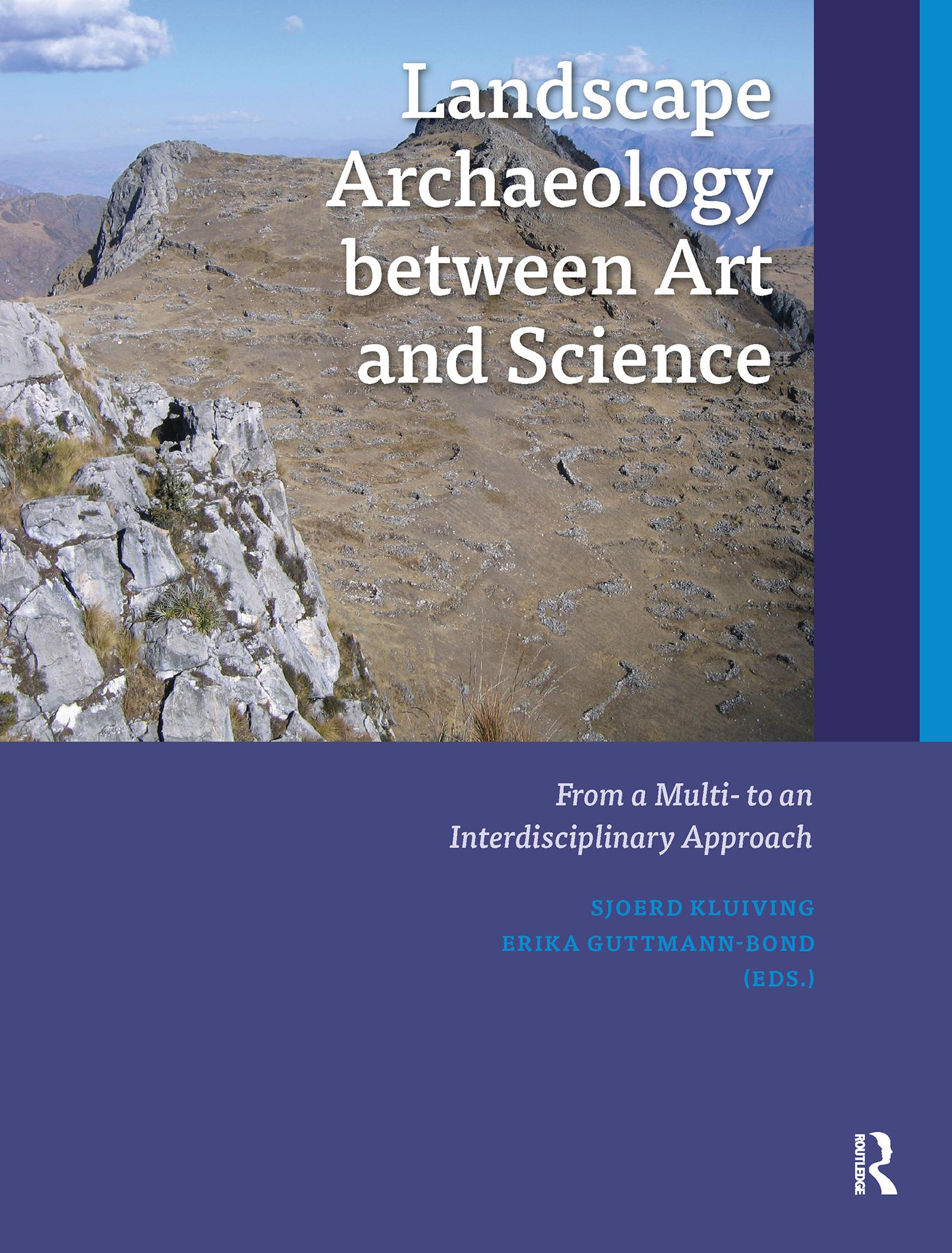
Researchers in landscape archaeology use two different definitions of landscape. One definition (landscape as territory) is used by the processual archaeologists, earth scientists, and most historical geographers within this volume. By contrast, post-processual archaeologists, new cultural geographers and anthropologists favour a more abstract definition of landscape, based on how it is perceived by the observer. Both definitions are addressed in this book, with 35 papers that are presented here and that are divided into six themes: 1) How did landscape change?; 2) Improving temporal, chronological and transformational frameworks; 3) Linking landscapes of lowlands with mountainous areas; 4) Applying concepts of scale; 5) New directions in digital prospection and modelling techniques, and 6) How will landscape archaeology develop in the future? This volume demonstrates a worldwide interest in landscape archaeology, and the research presented here draws upon and integrates the humanities and sciences. This interdisciplinary approach is rapidly gaining support in new regions where such collaborations were previously uncommon.
Maksa helposti kortilla, Klarnalla, Apple Paylla tai Google Paylla. Etkö ole tyytyväinen? Sinulla on aina 14 päivän palautusoikeus. Lue lisää ehdoistamme. Jos sinulla on kysyttävää, lähetä meille sähköpostia osoitteeseen hello@memmo.org.
Memmo tekee opiskelusta helpompaa – missä päin maailmaa ikinä oletkin. Meillä yhdistät kurssikirjat ja fiksut opiskelutyökalut yhteen paikkaan: tiivistelmät, visat, podcastit ja muistikortit. Ja sitten Ted, opiskelukaverisi, joka vastaa kaikkeen, mitä ikinä mietitkin. Yli 50 000 opiskelijaa opiskelee jo täällä – rakennettu auttamaan sinua oppimaan nopeammin ja stressaamaan vähemmän.
Saatat pitää myös näistä
Osta kirja0