
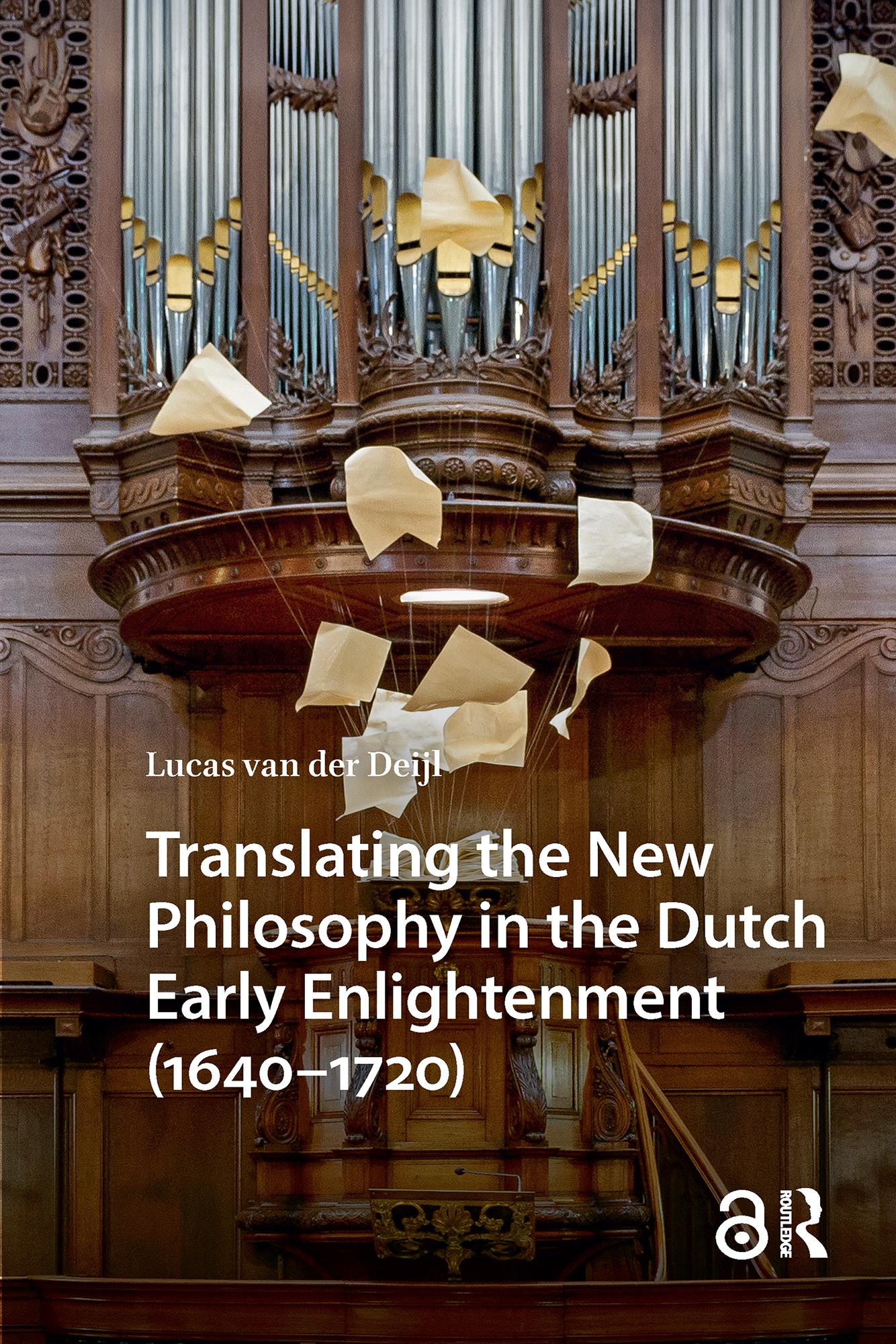
A small group of freethinkers from the Dutch Republic played a key role in the major intellectual changes of the Early Enlightenment (1640–1720). In the wake of Cartesianism, their rationalist ideas transformed debates about science, theology, medicine, and political theory. This book studies the position of four translators in these debates on the ‘New Philosophy’: Jan Hendriksz Glazemaker, Pieter Balling, Abraham van Berkel, and Stephan Blankaart. It presents a comparative history of their Dutch translations of philosophical treatises by René Descartes, Thomas Hobbes, and Benedictus de Spinoza. A combined methodology of computational and qualitative analysis offers new insights into the form and function of translated philosophical texts within the intellectual debates about language, reason, and knowledge that were partly inspired by those texts. These insights change our understanding of the crucial function of translations, multilingualism, and linguistic purism in the Dutch Early Enlightenment.
Maksa helposti kortilla, Klarnalla, Apple Paylla tai Google Paylla. Etkö ole tyytyväinen? Sinulla on aina 14 päivän palautusoikeus. Lue lisää ehdoistamme. Jos sinulla on kysyttävää, lähetä meille sähköpostia osoitteeseen hello@memmo.org.
Memmo tekee opiskelusta helpompaa – missä päin maailmaa ikinä oletkin. Meillä yhdistät kurssikirjat ja fiksut opiskelutyökalut yhteen paikkaan: tiivistelmät, visat, podcastit ja muistikortit. Ja sitten Ted, opiskelukaverisi, joka vastaa kaikkeen, mitä ikinä mietitkin. Yli 50 000 opiskelijaa opiskelee jo täällä – rakennettu auttamaan sinua oppimaan nopeammin ja stressaamaan vähemmän.
Saatat pitää myös näistä
Osta kirja0