
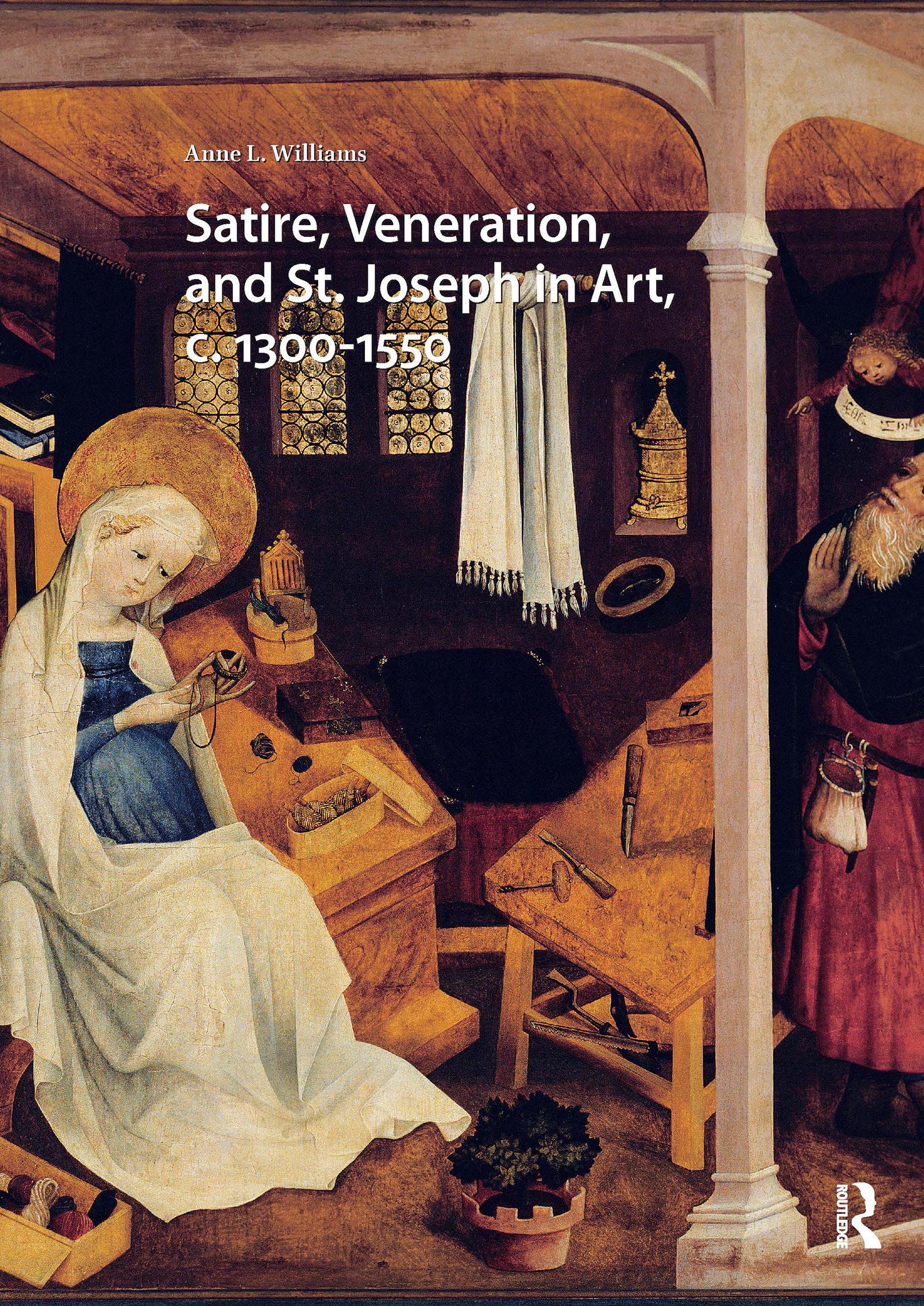
Satire, Veneration, and St. Joseph in Art, c. 1300.1550 is the first book to reclaim satire as a central component of Catholic altarpieces, devotional art, and veneration, moving beyond humor's relegation to the medieval margins or to the profane arts alone. The book challenges humor's perception as a mere teaching tool for the laity and the antithesis of 'high' veneration and theology, a divide perpetuated by Counter-Reformation thought and the inheritance of Mikhail Bakhtin (Rabelais and His World, 1965). It reveals how humor, laughter, and material culture played a critical role in establishing St. Joseph as an exemplar in western Europe as early as the thirteenth century. Its goal is to open a new line of interpretation in medieval and early modern cultural studies by revealing the functions of humor in sacred scenes, the role of laughter as veneration, and the importance of play for pre-Reformation religious experiences.
Maksa helposti kortilla, Klarnalla, Apple Paylla tai Google Paylla. Etkö ole tyytyväinen? Sinulla on aina 14 päivän palautusoikeus. Lue lisää ehdoistamme. Jos sinulla on kysyttävää, lähetä meille sähköpostia osoitteeseen hello@memmo.org.
Memmo tekee opiskelusta helpompaa – missä päin maailmaa ikinä oletkin. Meillä yhdistät kurssikirjat ja fiksut opiskelutyökalut yhteen paikkaan: tiivistelmät, visat, podcastit ja muistikortit. Ja sitten Ted, opiskelukaverisi, joka vastaa kaikkeen, mitä ikinä mietitkin. Yli 50 000 opiskelijaa opiskelee jo täällä – rakennettu auttamaan sinua oppimaan nopeammin ja stressaamaan vähemmän.