
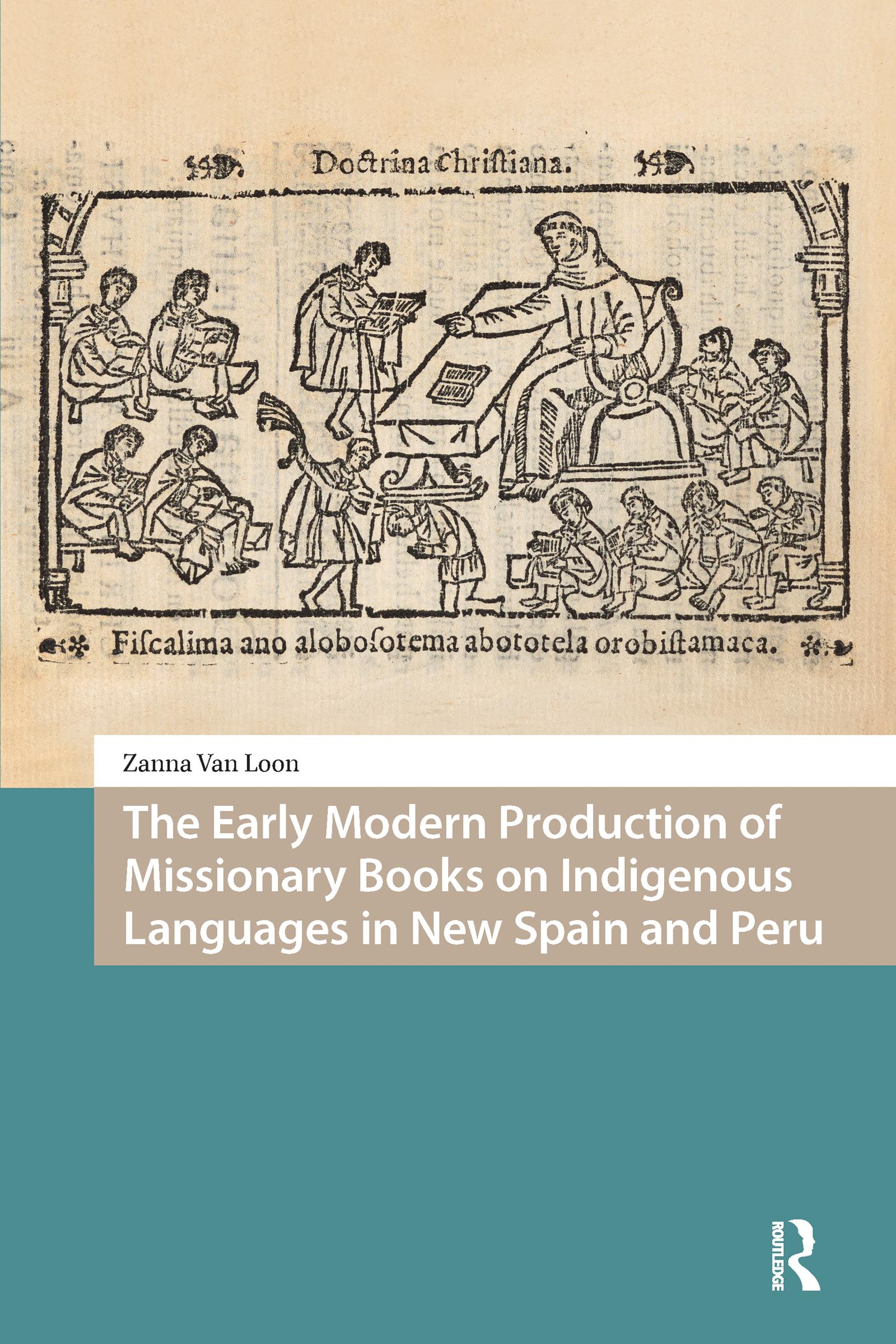
How do the social, material, and spatial processes underlying the making of early modern missionary grammars, vocabularies, and devotional translations deepen our understanding of their contents? The handwritten and printed missionary books produced in the Spanish viceroyalties of New Spain and Peru were key instruments designed to help study Indigenous languages in order to efficiently teach religious doctrine to local communities unfamiliar with European culture and religion. This volume considers these missionary books as physical and social objects and illuminates how a variety of factors determines their physical appearance, structure, and form, which in turn shape and guide the interpretation of their contents: people involved in its making; geographical and social circumstances and conditions of production; technologies, materials, and tools; genre and function(s) of the books; and intended readership, modes of distribution, and readerly responses.
Maksa helposti kortilla, Klarnalla, Apple Paylla tai Google Paylla. Etkö ole tyytyväinen? Sinulla on aina 14 päivän palautusoikeus. Lue lisää ehdoistamme. Jos sinulla on kysyttävää, lähetä meille sähköpostia osoitteeseen hello@memmo.org.
Memmo tekee opiskelusta helpompaa – missä päin maailmaa ikinä oletkin. Meillä yhdistät kurssikirjat ja fiksut opiskelutyökalut yhteen paikkaan: tiivistelmät, visat, podcastit ja muistikortit. Ja sitten Ted, opiskelukaverisi, joka vastaa kaikkeen, mitä ikinä mietitkin. Yli 50 000 opiskelijaa opiskelee jo täällä – rakennettu auttamaan sinua oppimaan nopeammin ja stressaamaan vähemmän.
Saatat pitää myös näistä
Osta kirja0