
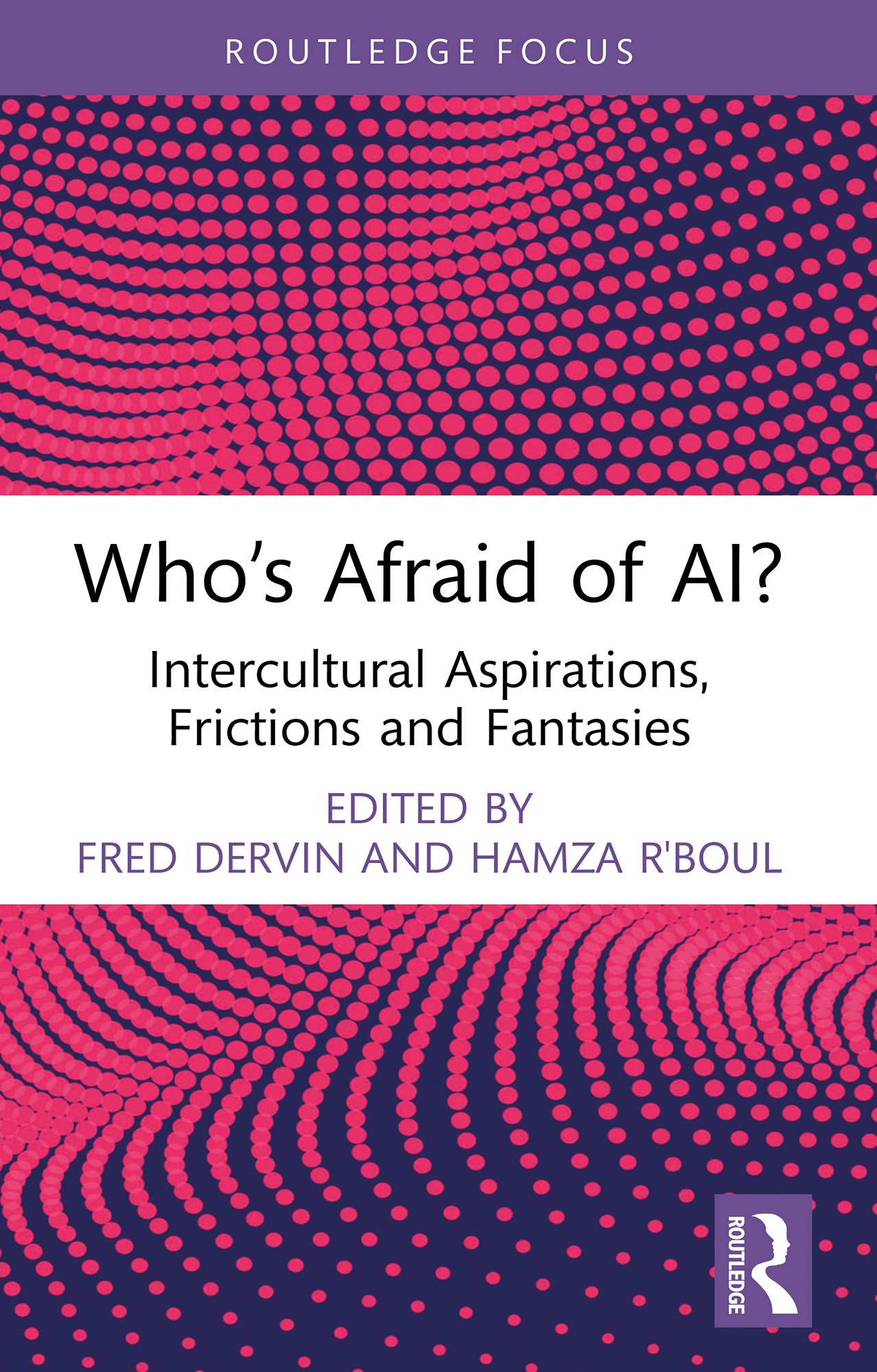
This timely edited volume challenges the potentially simplistic blame narratives surrounding artificial intelligence (AI), urging instead a shared ethical responsibility among users, researchers, policymakers, and others.
Rejecting the notion of AI as an autonomous 'evil', the book interrogates how human choices embedded in power structures, colonial legacies, and ideological frameworks can shape AI's impact on intercultural relations. Through decolonial critiques, dialogic experiments, and perspectives from the Global South, the contributors expose algorithmic biases, epistemic injustices, and governance gaps, while advocating for collective agency. From African Ubuntu ethics to Moroccan linguistic and cultural equity, and the political economy of creative industries, the book portrays AI as a mirror of human complexities and contradictions rather than a scapegoat.
A vital resource for students and scholars of intercultural communication education and research, this book calls for reflexive engagement with AI, emphasising co-accountability over unfounded dread.
Maksa helposti kortilla, Klarnalla, Apple Paylla tai Google Paylla. Etkö ole tyytyväinen? Sinulla on aina 14 päivän palautusoikeus. Lue lisää ehdoistamme. Jos sinulla on kysyttävää, lähetä meille sähköpostia osoitteeseen hello@memmo.org.
Memmo tekee opiskelusta helpompaa – missä päin maailmaa ikinä oletkin. Meillä yhdistät kurssikirjat ja fiksut opiskelutyökalut yhteen paikkaan: tiivistelmät, visat, podcastit ja muistikortit. Ja sitten Ted, opiskelukaverisi, joka vastaa kaikkeen, mitä ikinä mietitkin. Yli 50 000 opiskelijaa opiskelee jo täällä – rakennettu auttamaan sinua oppimaan nopeammin ja stressaamaan vähemmän.