
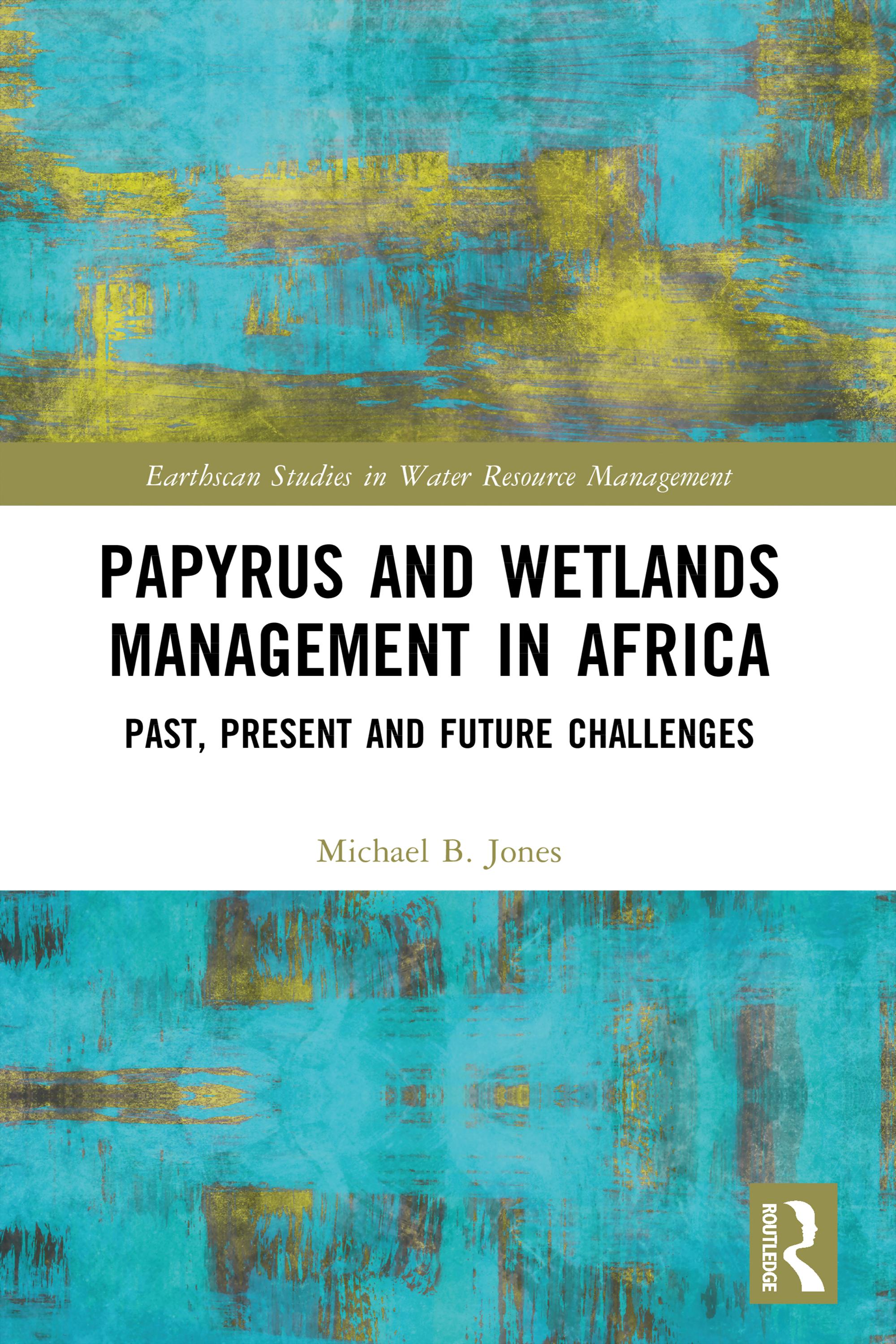
This book provides a comprehensive overview of the influence that the papyrus plant has had on African wetlands (with a particular focus on the Nile) in the past, and how this may change with the oncoming threats of climate change.
The papyrus plant is one of the fastest growing in the world and it forms the dominant vegetation in almost all sub-Saharan wetlands, and particularly the Nile Basin wetlands. Unlike other books on rivers and wetlands, this book focuses on this dominant and defining plant which plays such an important role in determining the structure and functioning of the Nile and other African wetland systems. It examines papyrus in the past, in the present and in the future, asking where and when did it evolve, what features have made it so widespread, productive and useful to humans, and how it has influenced the ecology of African wetlands. With over 250 million people relying on the water of the Nile to survive, the book examines the intimate relationship between, papyrus, people and the river. It concludes by discussing the current challenges to the sustainability of that relationship and whether this relationship can withstand the threat of changing climate and human demands as populations increase.
This book will be of great interest to students and scholars of wetland management, ecosystem services, water resource management, biogeography, sustainable development and African studies.
Maksa helposti kortilla, Klarnalla, Apple Paylla tai Google Paylla. Etkö ole tyytyväinen? Sinulla on aina 14 päivän palautusoikeus. Lue lisää ehdoistamme. Jos sinulla on kysyttävää, lähetä meille sähköpostia osoitteeseen hello@memmo.org.
Memmo tekee opiskelusta helpompaa – missä päin maailmaa ikinä oletkin. Meillä yhdistät kurssikirjat ja fiksut opiskelutyökalut yhteen paikkaan: tiivistelmät, visat, podcastit ja muistikortit. Ja sitten Ted, opiskelukaverisi, joka vastaa kaikkeen, mitä ikinä mietitkin. Yli 50 000 opiskelijaa opiskelee jo täällä – rakennettu auttamaan sinua oppimaan nopeammin ja stressaamaan vähemmän.