
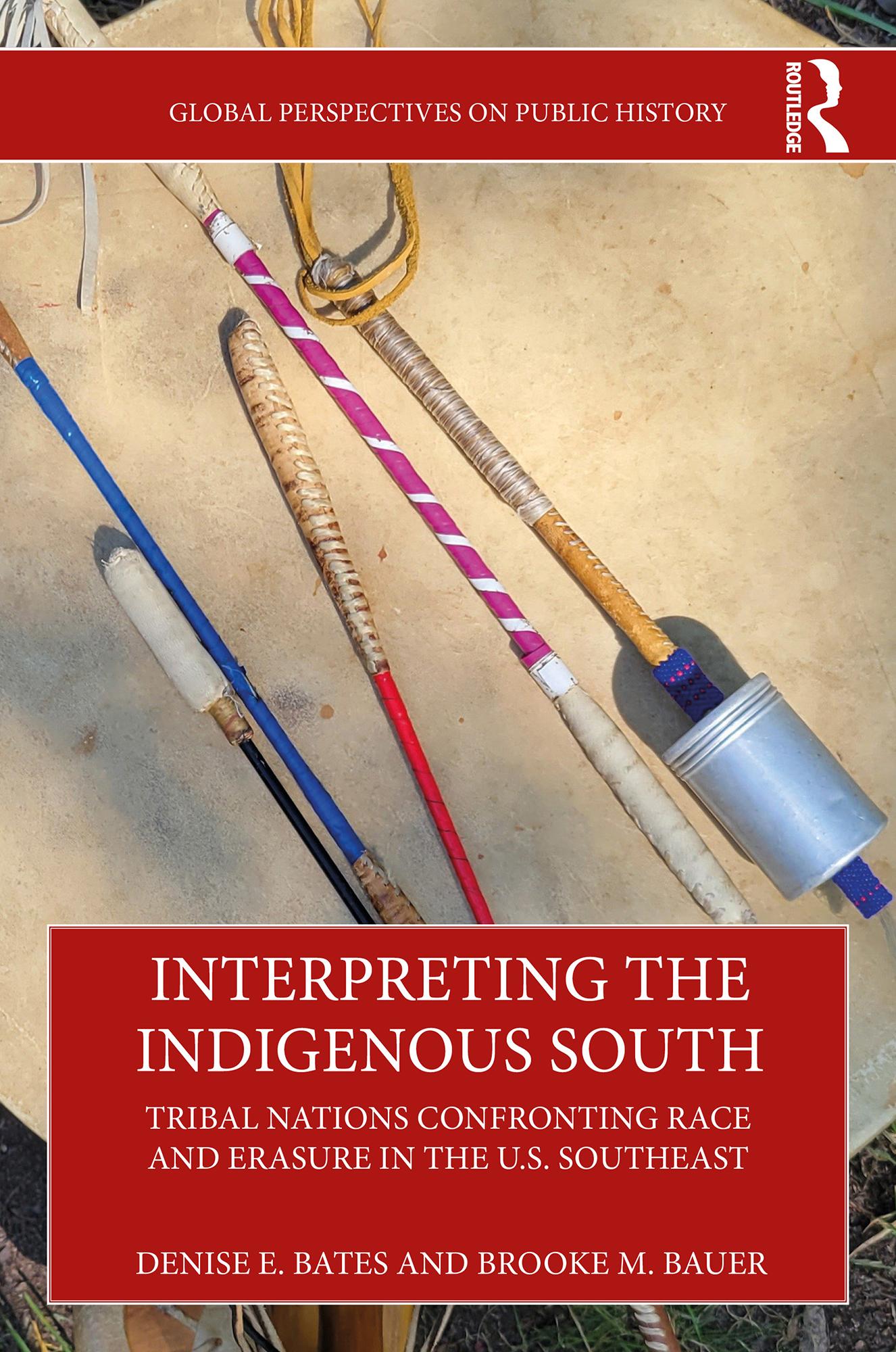
Interpreting the Indigenous South reframes public history as a space of Indigenous authority and self-representation, where communities define how their histories are told, their knowledge preserved, and their relationships to place understood.
In the American South, where Indigenous histories have long been obscured by narratives of disappearance, Native nations are not only present but are actively reclaiming how their stories are told. Drawing on vivid examples from across the region, this book shows how tribal nations have transformed museums, archives, landscapes, and public platforms into instruments of cultural survival and continuity. The book reveals how Indigenous communities are using public history as a living practice to sustain their identities and project their futures. From environmental stewardship and commemorative journeys to digital storytelling and intergenerational teaching, what outsiders may dismiss as performance or tourism emerges as a strategic practice.
By exploring different methodological approaches and providing multiple examples of how tribal communities are involved in the co-production of knowledge and historical interventions, this book will appeal to students and scholars of Native American studies and history, as well as public history practitioners.
Maksa helposti kortilla, Klarnalla, Apple Paylla tai Google Paylla. Etkö ole tyytyväinen? Sinulla on aina 14 päivän palautusoikeus. Lue lisää ehdoistamme. Jos sinulla on kysyttävää, lähetä meille sähköpostia osoitteeseen hello@memmo.org.
Memmo tekee opiskelusta helpompaa – missä päin maailmaa ikinä oletkin. Meillä yhdistät kurssikirjat ja fiksut opiskelutyökalut yhteen paikkaan: tiivistelmät, visat, podcastit ja muistikortit. Ja sitten Ted, opiskelukaverisi, joka vastaa kaikkeen, mitä ikinä mietitkin. Yli 50 000 opiskelijaa opiskelee jo täällä – rakennettu auttamaan sinua oppimaan nopeammin ja stressaamaan vähemmän.