
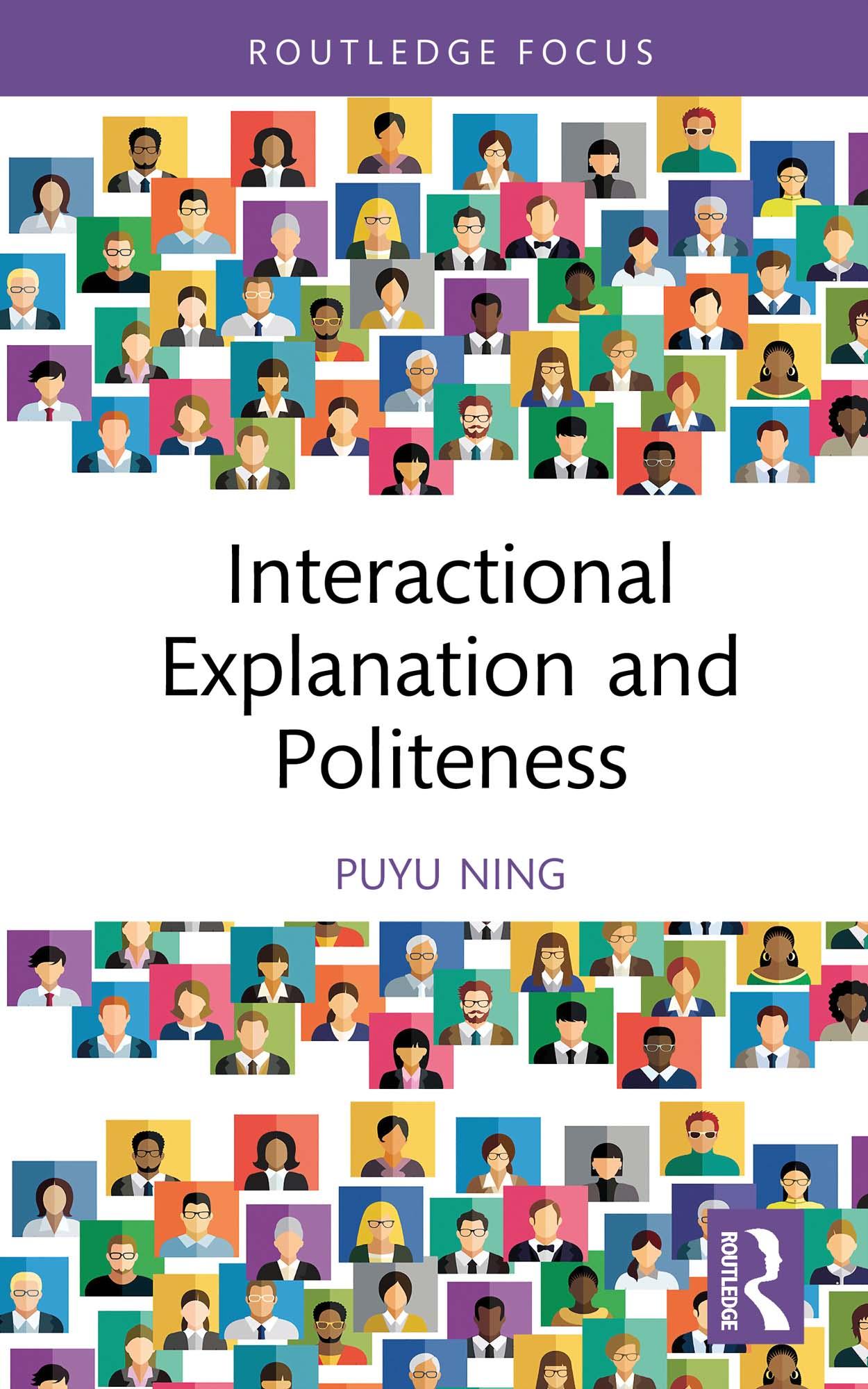
This book explores the pragmatic concept of interactional explanation (IE) in linguistic (im)politeness research.
This volume establishes a working understanding of IE, understood as the response to a perceived appeal for information in an interaction. This book considers how IE is pragmatically sought, given, interpreted, and evaluated in interactions, processes which give rise to linguistic (im)politeness. This book highlights two case studies on Chinese linguacultural nuances, building on the foundational work of Brown and Levinson and more recent contribu-tions of Chen. In showcasing this particular context, Ning not only extends Chen's work on self-politeness theory, in which the desire to "save face" impacts what and how one speaks, but also underscores the importance of studying linguacultural variations in order to deepen our understanding of the connections between IE and linguistic (im)politeness research.
This book will appeal to students and researchers interested in interac-tional phenomena, in such areas as pragmatics, language and communication, and second and foreign language and teaching.
Maksa helposti kortilla, Klarnalla, Apple Paylla tai Google Paylla. Etkö ole tyytyväinen? Sinulla on aina 14 päivän palautusoikeus. Lue lisää ehdoistamme. Jos sinulla on kysyttävää, lähetä meille sähköpostia osoitteeseen hello@memmo.org.
Memmo tekee opiskelusta helpompaa – missä päin maailmaa ikinä oletkin. Meillä yhdistät kurssikirjat ja fiksut opiskelutyökalut yhteen paikkaan: tiivistelmät, visat, podcastit ja muistikortit. Ja sitten Ted, opiskelukaverisi, joka vastaa kaikkeen, mitä ikinä mietitkin. Yli 50 000 opiskelijaa opiskelee jo täällä – rakennettu auttamaan sinua oppimaan nopeammin ja stressaamaan vähemmän.