
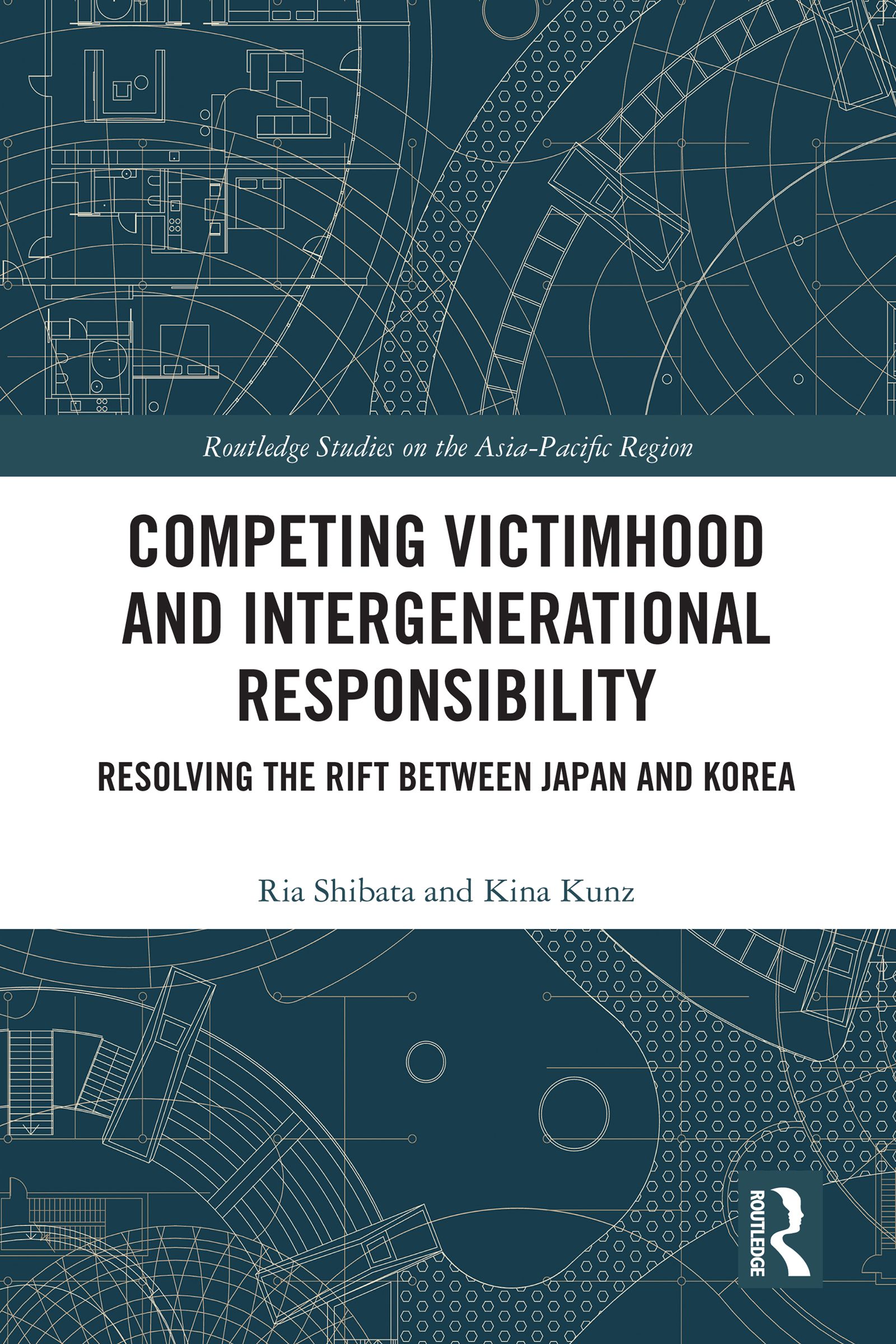
Shibata and Kunz delve into the deep-seated identity factors that have perpetuated the conflict between Japan and South Korea. The enduring diplomatic and political tensions between the two nations are rooted in unresolved historical grievances and entrenched narratives of victimhood, which continue to shape their national identities. For meaningful reconciliation to take place, these divisive historical memories and narratives must be critically examined to build a stronger foundation for sustained diplomatic efforts.
This book investigates the socio-psychological dynamics of competing victimhood, shedding light on the key barriers to reconciliation and exploring Japanese perspectives on intergenerational responsibility for historical injustices. Through a nuanced analysis of the complex identity conflict between Japan and South Korea, it provides valuable insights and practical guidance for policymakers, civil society leaders, and the broader public to foster dialogue, rebuild trust, and promote long-term cooperation between the two nations.
An essential book for researchers and scholars of international relations, peace and conflict studies, and global studies, as well as a critical tool for policymakers and practitioners working in conflict resolution and reconciliation.
Maksa helposti kortilla, Klarnalla, Apple Paylla tai Google Paylla. Etkö ole tyytyväinen? Sinulla on aina 14 päivän palautusoikeus. Lue lisää ehdoistamme. Jos sinulla on kysyttävää, lähetä meille sähköpostia osoitteeseen hello@memmo.org.
Memmo tekee opiskelusta helpompaa – missä päin maailmaa ikinä oletkin. Meillä yhdistät kurssikirjat ja fiksut opiskelutyökalut yhteen paikkaan: tiivistelmät, visat, podcastit ja muistikortit. Ja sitten Ted, opiskelukaverisi, joka vastaa kaikkeen, mitä ikinä mietitkin. Yli 50 000 opiskelijaa opiskelee jo täällä – rakennettu auttamaan sinua oppimaan nopeammin ja stressaamaan vähemmän.