
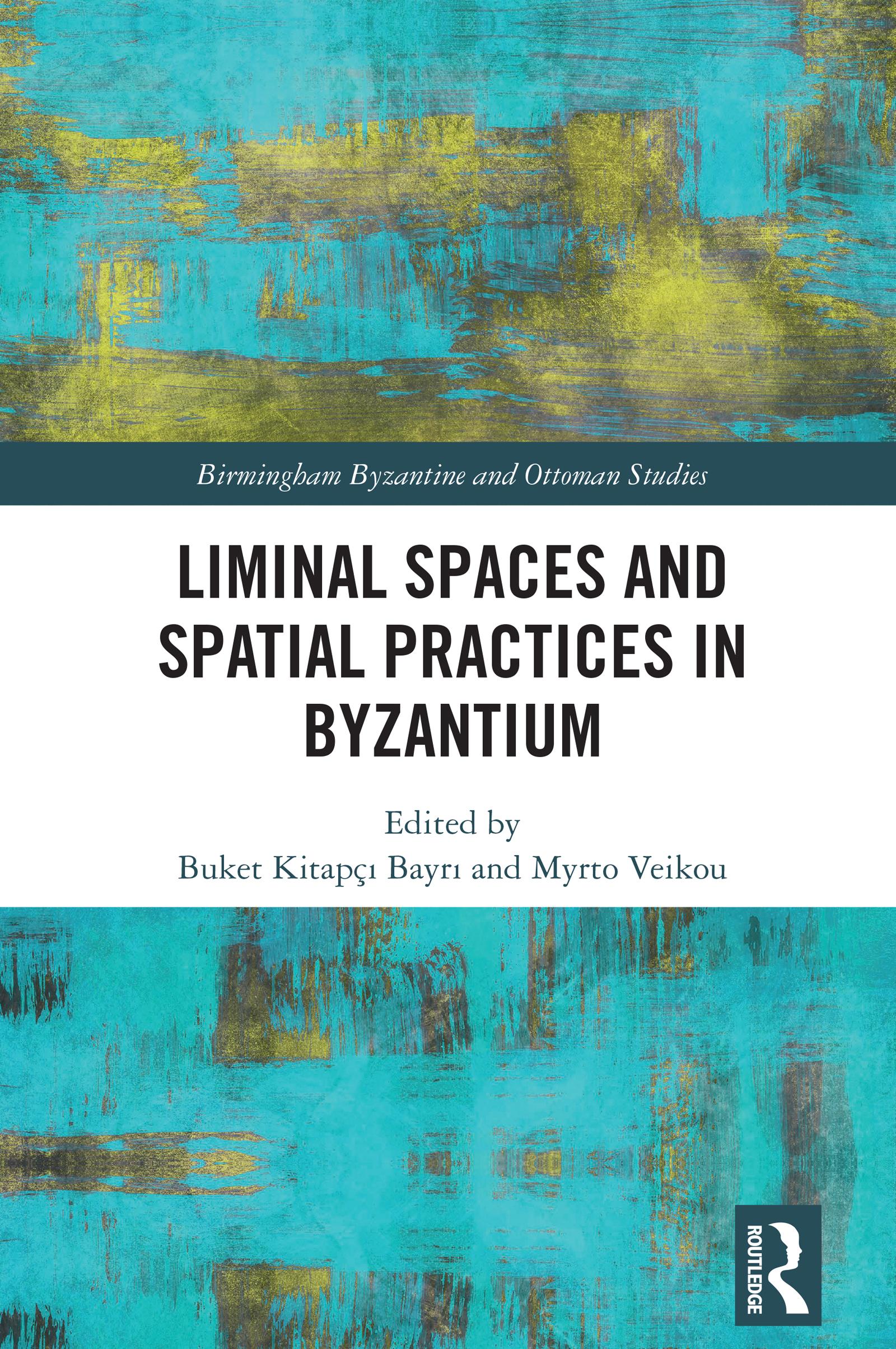
Liminal Spaces and Spatial Practices in Byzantium offers a novel twist, combining intra-/inter-disciplinary research across the humanities and social sciences by transforming two distinct disciplinary concepts (liminality from social anthropology and space from cultural geography) into methodological devices for historical investigation. The focus has been an investigation of conceptions of spatial liminality in the Byzantine world.
This book showcases alternatives to binary oppositions such as inside/outside, core/periphery, isolation/connectedness, stability/instability, known/unknown, earthly/heavenly, self/other, and good/bad through delineating liminality as an epistemological tool. In this volume, the authors were invited to offer an analysis of Byzantine spatial experiences (attested through material remains or texts) as a sort of working platform from which to assess in due course the presence of a liminal dimension in medieval spatiotemporal situations. They have sought to understand whether certain types of spaces such as rivers, deserts, islands, forests, mountains, houses, thresholds, gates, monasteries, lighthouses, and bridges accommodate–or even create–liminal situations in the eyes of the people experiencing them.
This book will appeal to students and scholars alike interested in Byzantine history and culture.
Maksa helposti kortilla, Klarnalla, Apple Paylla tai Google Paylla. Etkö ole tyytyväinen? Sinulla on aina 14 päivän palautusoikeus. Lue lisää ehdoistamme. Jos sinulla on kysyttävää, lähetä meille sähköpostia osoitteeseen hello@memmo.org.
Memmo tekee opiskelusta helpompaa – missä päin maailmaa ikinä oletkin. Meillä yhdistät kurssikirjat ja fiksut opiskelutyökalut yhteen paikkaan: tiivistelmät, visat, podcastit ja muistikortit. Ja sitten Ted, opiskelukaverisi, joka vastaa kaikkeen, mitä ikinä mietitkin. Yli 50 000 opiskelijaa opiskelee jo täällä – rakennettu auttamaan sinua oppimaan nopeammin ja stressaamaan vähemmän.