
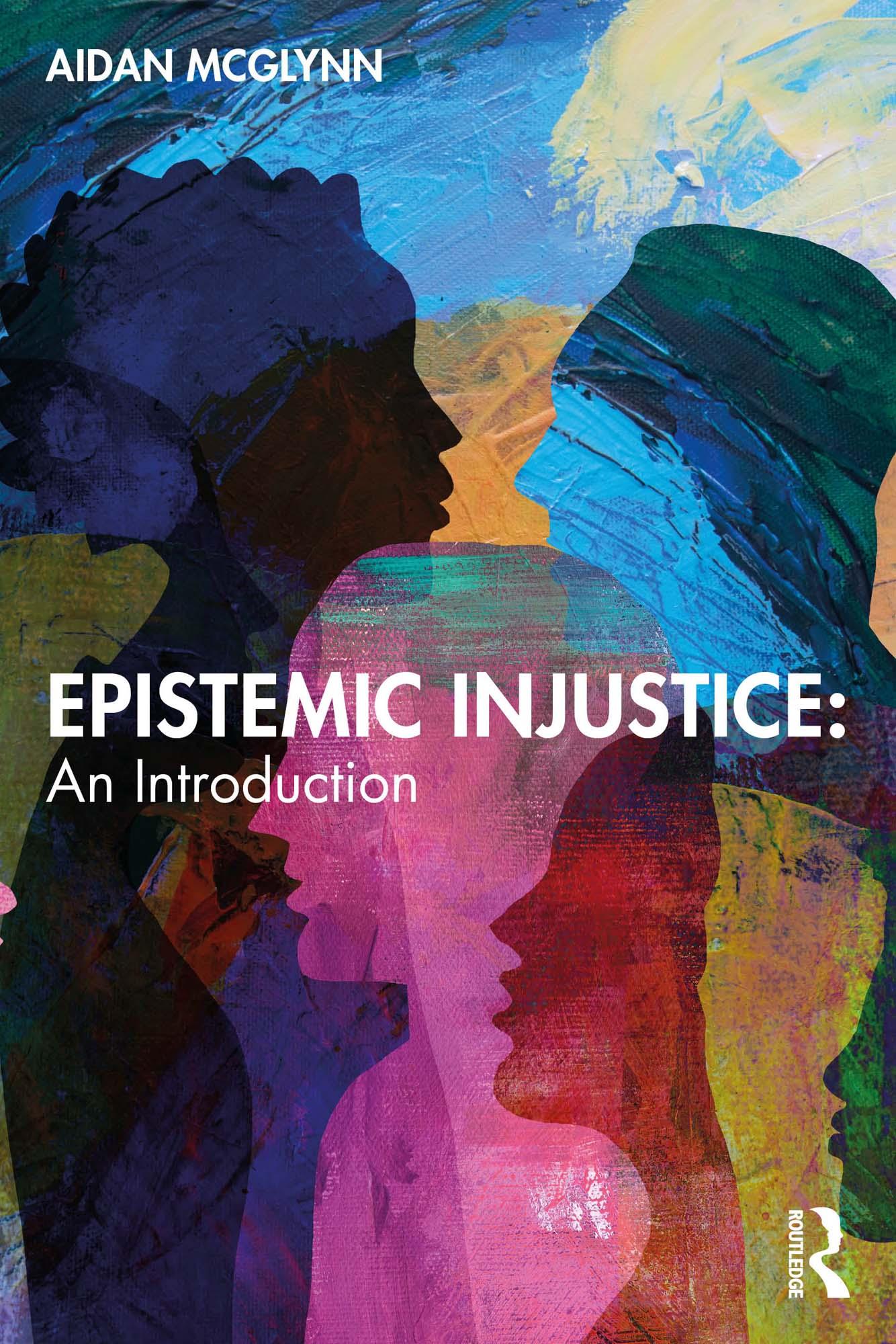
Epistemic injustice is one of the most important yet complex subjects to have emerged in philosophy in recent years. It refers to the idea that a person can be wronged when they are not properly believed or understood due to factors like prejudice and ignorance. In this clear and much-needed introduction, Aidan McGlynn explains what epistemic injustice is and examines it from a philosophical standpoint. He covers the following key topics and questions:
- What is epistemic injustice and why is it significant?
- What is epistemic oppression, and how does it differ from epistemic injustice?
- The relationship between different theories of epistemic injustice
- Testimonial injustice
- Hermeneutical injustice
- Primary harms of epistemic injustice
- How to make progress towards epistemic justice.
Throughout this book McGlynn connects the conceptual aspects of epistemic injustice to pressing real-life examples of prejudice and ignorance, including those relating to gender, race, and disability.
With the inclusion of chapter summaries, suggestions for further reading, and a glossary of key terms, Epistemic Injustice: An Introduction is an ideal starting point for anyone coming to the topic for the first time. In addition to philosophy, it is essential reading for those in related disciplines such as gender studies, sociology, ethnic and racial studies, law, education, politics, and health and disability studies.
Maksa helposti kortilla, Klarnalla, Apple Paylla tai Google Paylla. Etkö ole tyytyväinen? Sinulla on aina 14 päivän palautusoikeus. Lue lisää ehdoistamme. Jos sinulla on kysyttävää, lähetä meille sähköpostia osoitteeseen hello@memmo.org.
Memmo tekee opiskelusta helpompaa – missä päin maailmaa ikinä oletkin. Meillä yhdistät kurssikirjat ja fiksut opiskelutyökalut yhteen paikkaan: tiivistelmät, visat, podcastit ja muistikortit. Ja sitten Ted, opiskelukaverisi, joka vastaa kaikkeen, mitä ikinä mietitkin. Yli 50 000 opiskelijaa opiskelee jo täällä – rakennettu auttamaan sinua oppimaan nopeammin ja stressaamaan vähemmän.