
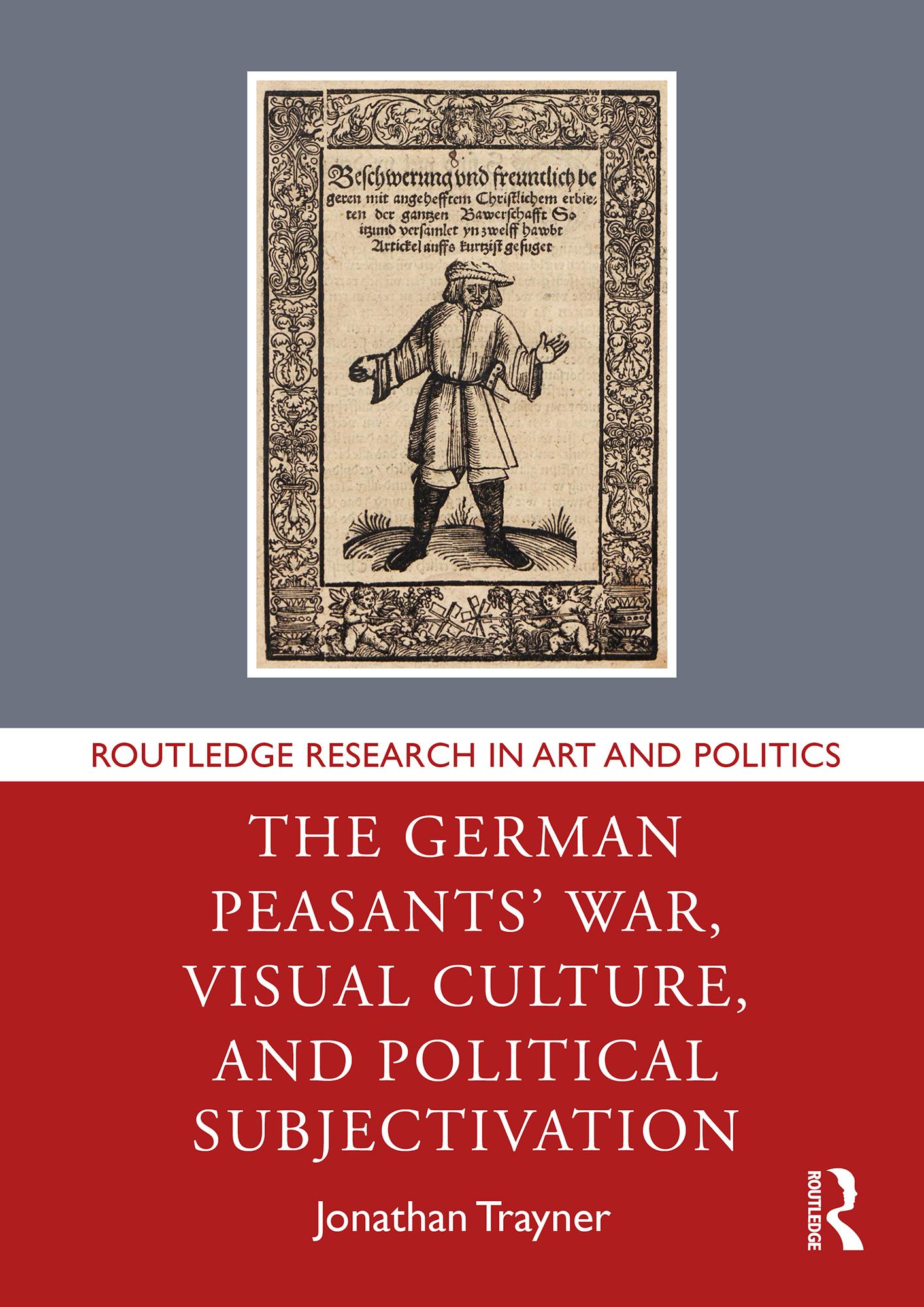
This study examines the visual productions of the German Peasants’ War – pamphlets, banners, and clothing – to argue for the disruptive and radical visual legacy in which hierarchies and modes of subjection were overturned.
Drawing on the author’s experience as a print maker and artist, the book offers a close and sympathetic analysis of the visual culture produced in this moment of war and revolt. Far from only being a matter of historical interest, these disruptive modes of visual production also resonate with contemporary debates about dissensus, populism, and political identity, especially in the work of Jacques Rancière. The refusal of these peasants (and mercenaries and some clergy) to remain in their place ruptured the visual field of power. It was also the repression of this popular eruption that was to shape conventional visual culture and politics as a reaction.
The book will be of interest to scholars working in art history, visual culture, medieval and early modern studies, and political history.
Maksa helposti kortilla, Klarnalla, Apple Paylla tai Google Paylla. Etkö ole tyytyväinen? Sinulla on aina 14 päivän palautusoikeus. Lue lisää ehdoistamme. Jos sinulla on kysyttävää, lähetä meille sähköpostia osoitteeseen hello@memmo.org.
Memmo tekee opiskelusta helpompaa – missä päin maailmaa ikinä oletkin. Meillä yhdistät kurssikirjat ja fiksut opiskelutyökalut yhteen paikkaan: tiivistelmät, visat, podcastit ja muistikortit. Ja sitten Ted, opiskelukaverisi, joka vastaa kaikkeen, mitä ikinä mietitkin. Yli 50 000 opiskelijaa opiskelee jo täällä – rakennettu auttamaan sinua oppimaan nopeammin ja stressaamaan vähemmän.