
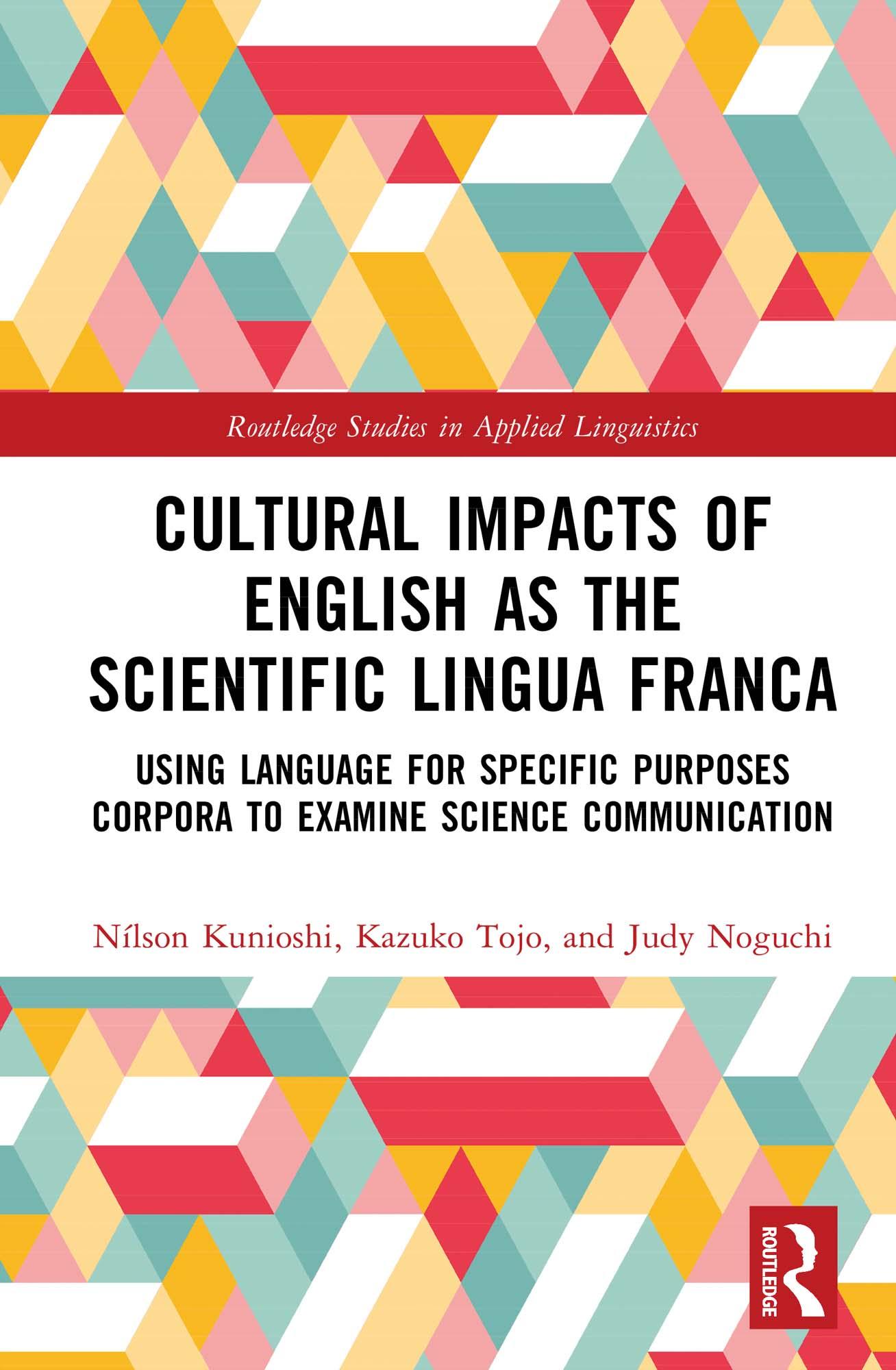
This volume explores how cultural influences between the West and East shape how science is communicated. It traces how the use of language has played an essential role in the dissemination of science and the development of ideas about science from the ancient worlds of the Middle East and China, followed by events in the Greek and Roman eras and then activities in Europe. It poses the questions: Western science? Eastern science? How do we view the world? How does culture influence language and thus affect how knowledge is communicated?
As people around the world today become more intricately involved with each other, there is a growing need to acknowledge the need for more diversity, equity, and inclusion of concepts from cultural backgrounds other than the predominant Anglophone view promoted by the extensive use of English as the language of science. The authors show that fluency in English does not guarantee success in learning or teaching in English, because the cultural background of the learner and/or the instructor strongly influences the way they learn or teach. Even if both the instructor and the learner are fluent in English, when the manner of teaching does not match the expectations that the learner has, efficient teaching/learning may not be achieved. The second half of this book offers evidence for this by describing the results of research projects using Language for Specific Purposes (LSP) corpora. The findings reveal profound differences in how science is taught at the university level in American and Japanese institutions.
Based on actual classroom experiences of teaching students from multilingual, multicultural backgrounds, this book offers teachers, students, and researchers suggestions for how we can aim for a more diverse, equal, and inclusive way of disseminating science today.
Maksa helposti kortilla, Klarnalla, Apple Paylla tai Google Paylla. Etkö ole tyytyväinen? Sinulla on aina 14 päivän palautusoikeus. Lue lisää ehdoistamme. Jos sinulla on kysyttävää, lähetä meille sähköpostia osoitteeseen hello@memmo.org.
Memmo tekee opiskelusta helpompaa – missä päin maailmaa ikinä oletkin. Meillä yhdistät kurssikirjat ja fiksut opiskelutyökalut yhteen paikkaan: tiivistelmät, visat, podcastit ja muistikortit. Ja sitten Ted, opiskelukaverisi, joka vastaa kaikkeen, mitä ikinä mietitkin. Yli 50 000 opiskelijaa opiskelee jo täällä – rakennettu auttamaan sinua oppimaan nopeammin ja stressaamaan vähemmän.