
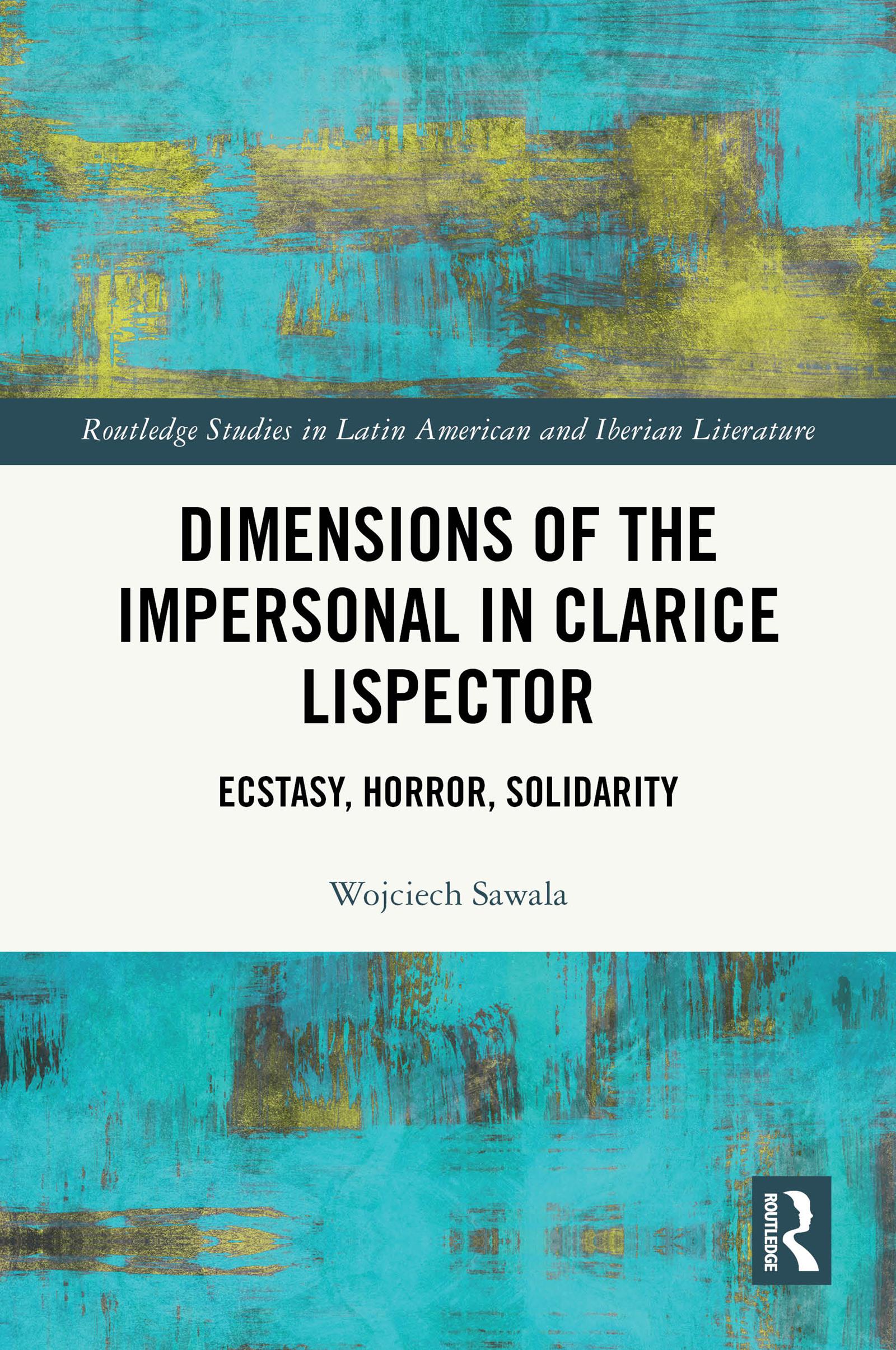
This book explores the fictional work of Clarice Lispector (1920–1977), the eminent twentieth-century Brazilian writer. It employs the theoretical framework of "affirmative biopolitics" by Roberto Esposito, engaging with Michel Foucault and Giorgio Agamben, alongside voices like Mircea Eliade, Anthony Giddens, and Agata Bielik-Robson. The focus is on rethinking and valuing “impersonality,” crucial for understanding the anthropological, metaphysical, ethical, and political implications in Lispector's works. The main thesis posits that Lispector’s writings, from journalistic chronicles to significant books like The Passion According to G.H., present a complex anthropological vision marked by an ontological and ethical “deadlock” between personality and impersonality. This vision suggests that humans are trapped in a personal mode of existence, separated from their ontological essence, leading to a metaphysical guilt. The book analyzes this deadlock both in individual and communal-political contexts, highlighting the cryptotheological dimension in Lispector’s mystical and messianic themes rooted in Jewish tradition.
Maksa helposti kortilla, Klarnalla, Apple Paylla tai Google Paylla. Etkö ole tyytyväinen? Sinulla on aina 14 päivän palautusoikeus. Lue lisää ehdoistamme. Jos sinulla on kysyttävää, lähetä meille sähköpostia osoitteeseen hello@memmo.org.
Memmo tekee opiskelusta helpompaa – missä päin maailmaa ikinä oletkin. Meillä yhdistät kurssikirjat ja fiksut opiskelutyökalut yhteen paikkaan: tiivistelmät, visat, podcastit ja muistikortit. Ja sitten Ted, opiskelukaverisi, joka vastaa kaikkeen, mitä ikinä mietitkin. Yli 50 000 opiskelijaa opiskelee jo täällä – rakennettu auttamaan sinua oppimaan nopeammin ja stressaamaan vähemmän.