
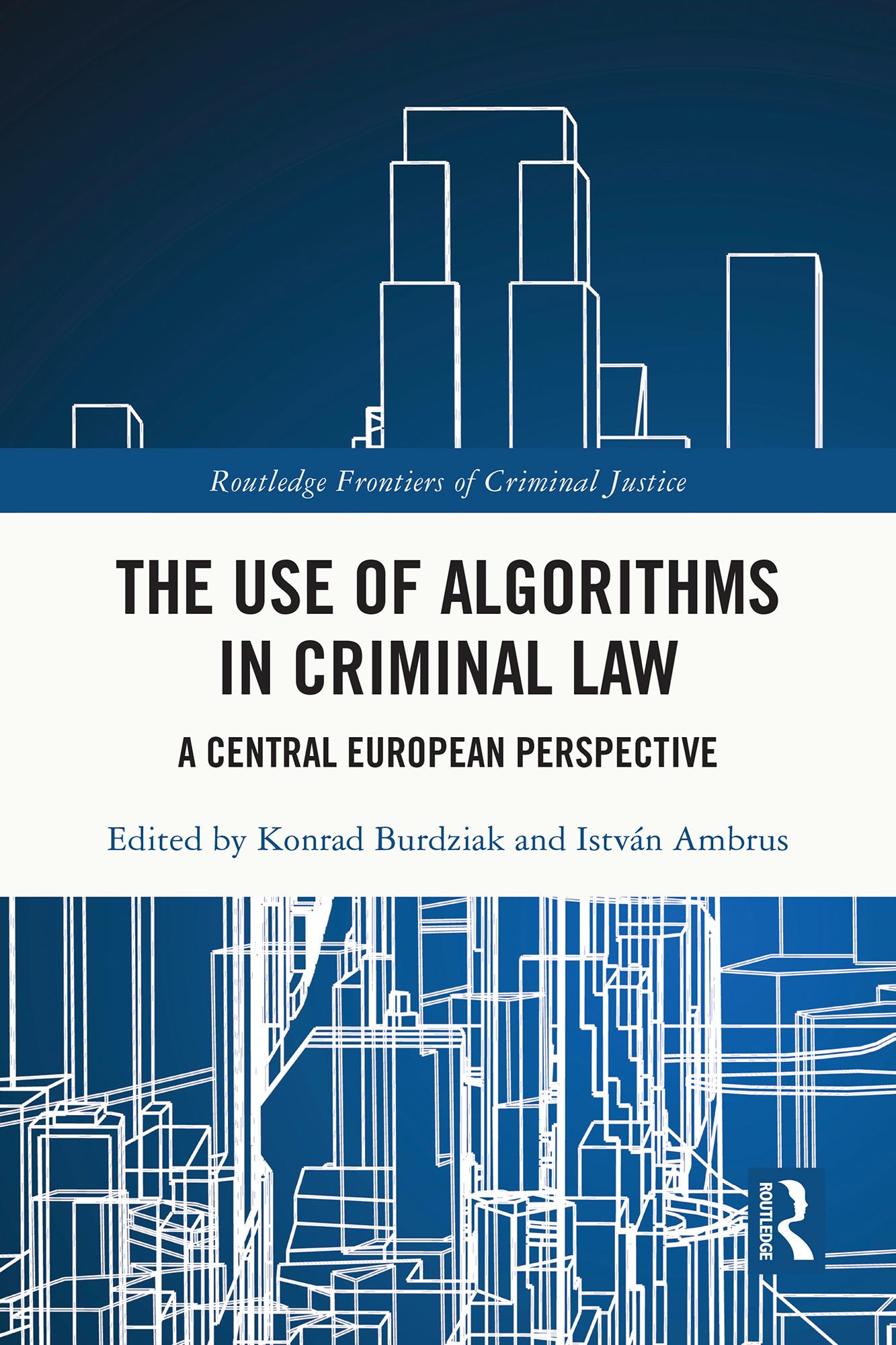
This edited collection provides the reader with a comprehensive knowledge of automated decision-making, artificial intelligence (AI), and algorithms, and how they can be used in criminal proceedings. Focusing on the experience in Central and Eastern European countries, the book offers a clear overview of the advantages and disadvantages of new technologies in criminal law.
After a primer on how AI can be used in law enforcement to enhance operational effectiveness and improve public safety, chapters offer a comprehensive look at the current status of the use of new technologies in the criminal law of the Central and Eastern European countries. When appropriate, contributors formulate concrete postulates for the change of the current legal regulations as well as offer advice on how to use such technologies to one’s advantage or how to defend against their abuse by public authorities.
Navigating the intersection of technology and criminal justice, this book is invaluable for anyone with an interest in whether and how computers will shape the fate of criminal suspects and the operation of criminal justice systems. It is essential reading for scholars and students of comparative criminal justice, criminology, sociology, politics, and socio-legal studies.
Maksa helposti kortilla, Klarnalla, Apple Paylla tai Google Paylla. Etkö ole tyytyväinen? Sinulla on aina 14 päivän palautusoikeus. Lue lisää ehdoistamme. Jos sinulla on kysyttävää, lähetä meille sähköpostia osoitteeseen hello@memmo.org.
Memmo tekee opiskelusta helpompaa – missä päin maailmaa ikinä oletkin. Meillä yhdistät kurssikirjat ja fiksut opiskelutyökalut yhteen paikkaan: tiivistelmät, visat, podcastit ja muistikortit. Ja sitten Ted, opiskelukaverisi, joka vastaa kaikkeen, mitä ikinä mietitkin. Yli 50 000 opiskelijaa opiskelee jo täällä – rakennettu auttamaan sinua oppimaan nopeammin ja stressaamaan vähemmän.