
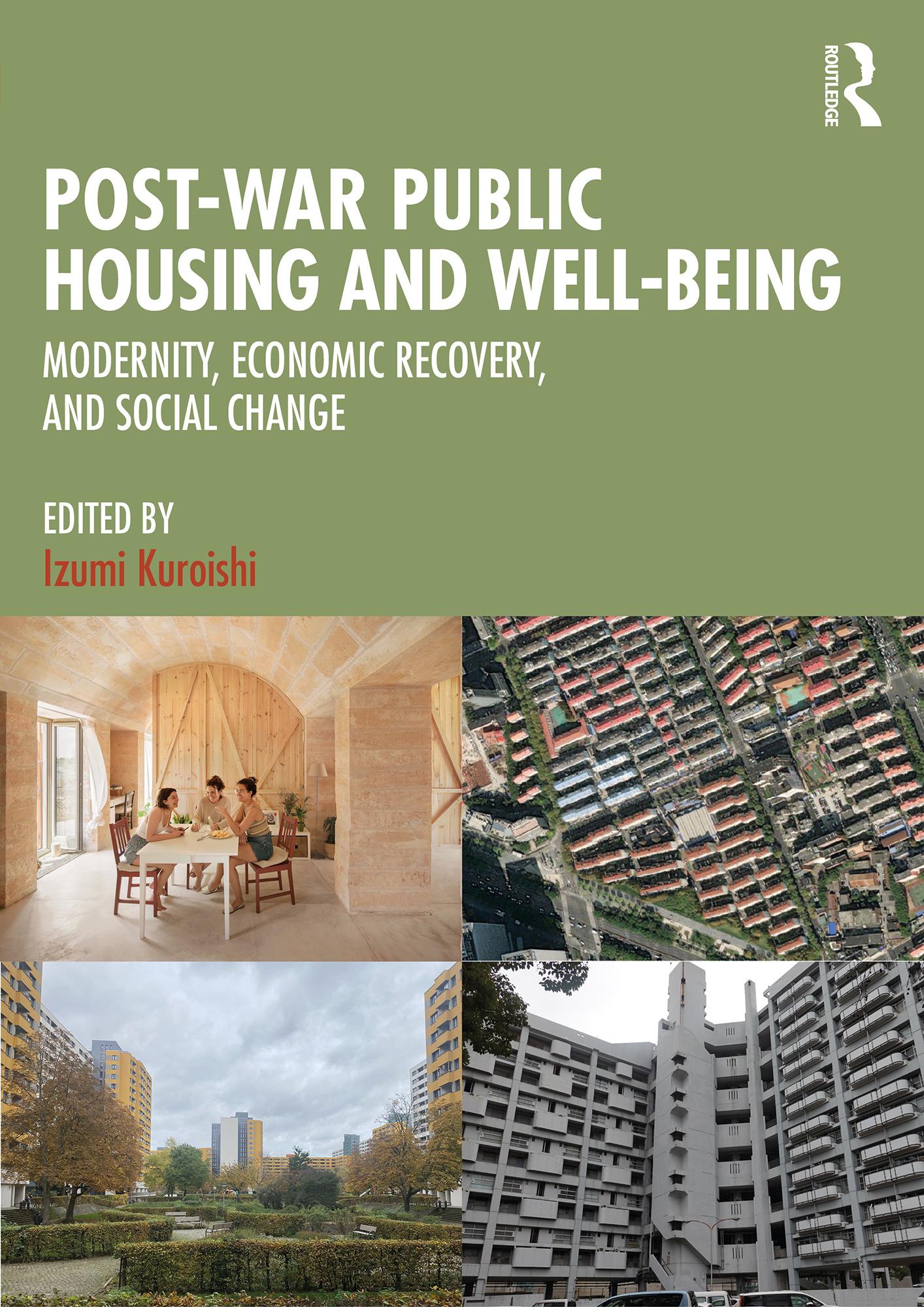
This collection illustrates the evolving role of housing as a symbol of modernity, a tool for economic recovery and a response to societal transitions. It argues that understanding earlier efforts to integrate well-being in the twentieth century can provide valuable insights for contemporary actors in the built environment who are working to address these issues today. As such, it explores and shines light on this lesser-known history, drawing on case studies, it focuses on the intersection of public housing, well-being and social change in the aftermath of the Second World War. With case studies from the UK, US, Singapore, Japan, Germany, China and Spain, this volume provides insights into how these countries have shaped the values, designs and institutions of their dwellings. By incorporating diverse cultural contexts, it contributes to a nuanced understanding of housing dynamics and well-being. Through a multidisciplinary lens, this volume encourages a re-evaluation of living conditions and fundamental values, emphasising the dynamic interplay between humans, their social environment and diverse living environments.
This book is essential for scholars, researchers, professionals, students, policymakers and practitioners in cultural history, architecture, planning, urban studies, sociology, education and public policy.
Maksa helposti kortilla, Klarnalla, Apple Paylla tai Google Paylla. Etkö ole tyytyväinen? Sinulla on aina 14 päivän palautusoikeus. Lue lisää ehdoistamme. Jos sinulla on kysyttävää, lähetä meille sähköpostia osoitteeseen hello@memmo.org.
Memmo tekee opiskelusta helpompaa – missä päin maailmaa ikinä oletkin. Meillä yhdistät kurssikirjat ja fiksut opiskelutyökalut yhteen paikkaan: tiivistelmät, visat, podcastit ja muistikortit. Ja sitten Ted, opiskelukaverisi, joka vastaa kaikkeen, mitä ikinä mietitkin. Yli 50 000 opiskelijaa opiskelee jo täällä – rakennettu auttamaan sinua oppimaan nopeammin ja stressaamaan vähemmän.