
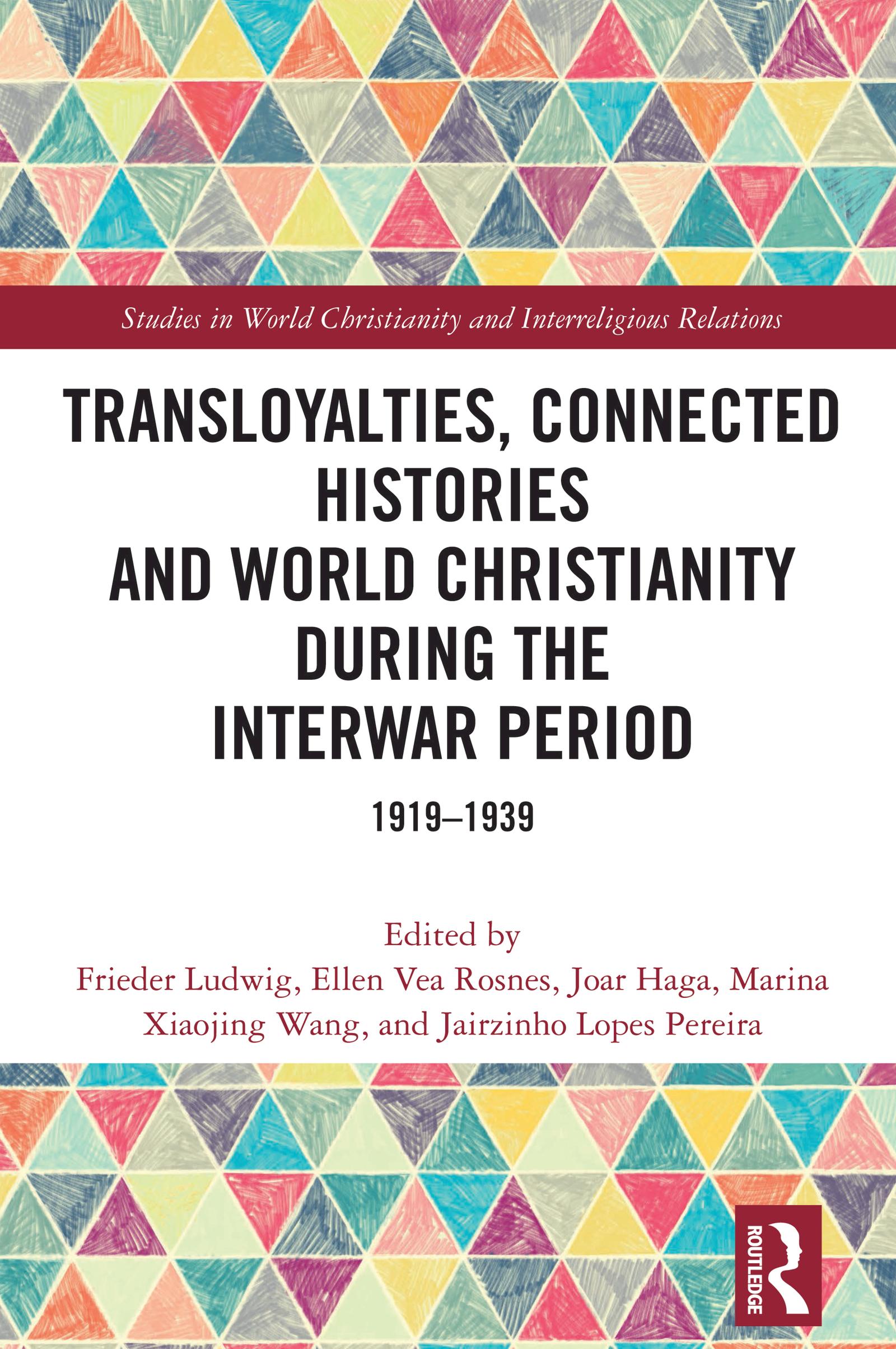
This book introduces the approach of “transloyalties” to study “connected histories” in World Christianity. The term “transloyalties” is used to analyze the multifaceted processes in various contact zones through which cultural and religious identities were transformed in the tension between different loyalties. The volume tests this approach in various case studies, most of them focusing on Lutheran churches and “World Lutheranism” between 1919 and 1939, a time of rapidly changing political circumstances.
Traditionally, the United States, Germany, and Scandinavia had been identified as the three centers of Lutheranism. However, while the structures in these centers were well established and “World Lutheranism” was something “out there,” with limited impact back home, negotiation processes on “Lutheran identity” were crucial in contexts where new Lutheran churches emerged. Asian and African church leaders operated in a new context of loyalties: They pushed for cooperation, and they often interacted with mission organizations from all three centers, and also with other religions, traditional cultures, and political movements. Therefore, it is significant what happened, for instance, in the Lutheran Church of China or at Umphumulo in South Africa.
Including theoretical reflections and case studies, this volume is valuable reading for scholars of the history of World Christianity.
Maksa helposti kortilla, Klarnalla, Apple Paylla tai Google Paylla. Etkö ole tyytyväinen? Sinulla on aina 14 päivän palautusoikeus. Lue lisää ehdoistamme. Jos sinulla on kysyttävää, lähetä meille sähköpostia osoitteeseen hello@memmo.org.
Memmo tekee opiskelusta helpompaa – missä päin maailmaa ikinä oletkin. Meillä yhdistät kurssikirjat ja fiksut opiskelutyökalut yhteen paikkaan: tiivistelmät, visat, podcastit ja muistikortit. Ja sitten Ted, opiskelukaverisi, joka vastaa kaikkeen, mitä ikinä mietitkin. Yli 50 000 opiskelijaa opiskelee jo täällä – rakennettu auttamaan sinua oppimaan nopeammin ja stressaamaan vähemmän.