
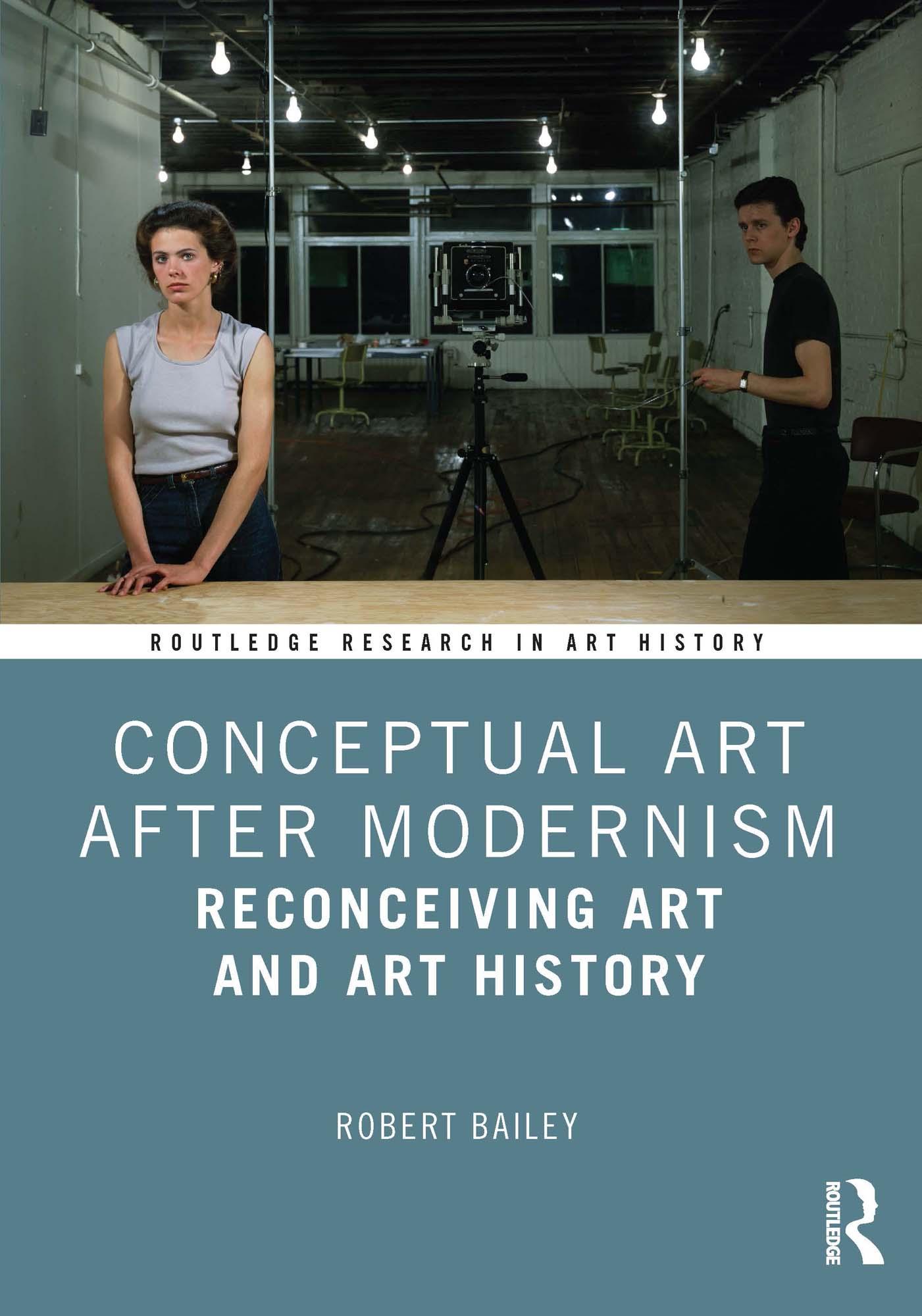
This study provides a new interpretation of art after modernism by foregrounding the importance of conceptual thinking as a pervasive force for change in art and art history since 1950.
Robert Bailey shows how distinctions between art and art history gave way as conceptual thinking provided artists and art historians with a common means to reassess what art could be and do in the world. Bailey assesses the results of artful and scholarly inquiries combining creative activity with intellectual rigor to proffer new approaches to a variety of social and environmental concerns, ranging from questions about human identity—including race, class, gender, and sexuality—to activist efforts to redress everything from abortion access to migrants’ rights, to climate change. This book provides both a historical overview of these developments and close analyses of key works and texts, spanning 1950 to the present and encompassing broad geographic scope with special attention paid to Indigenous art.
The book will be of interest to scholars working in art history and contemporary art.
Maksa helposti kortilla, Klarnalla, Apple Paylla tai Google Paylla. Etkö ole tyytyväinen? Sinulla on aina 14 päivän palautusoikeus. Lue lisää ehdoistamme. Jos sinulla on kysyttävää, lähetä meille sähköpostia osoitteeseen hello@memmo.org.
Memmo tekee opiskelusta helpompaa – missä päin maailmaa ikinä oletkin. Meillä yhdistät kurssikirjat ja fiksut opiskelutyökalut yhteen paikkaan: tiivistelmät, visat, podcastit ja muistikortit. Ja sitten Ted, opiskelukaverisi, joka vastaa kaikkeen, mitä ikinä mietitkin. Yli 50 000 opiskelijaa opiskelee jo täällä – rakennettu auttamaan sinua oppimaan nopeammin ja stressaamaan vähemmän.