
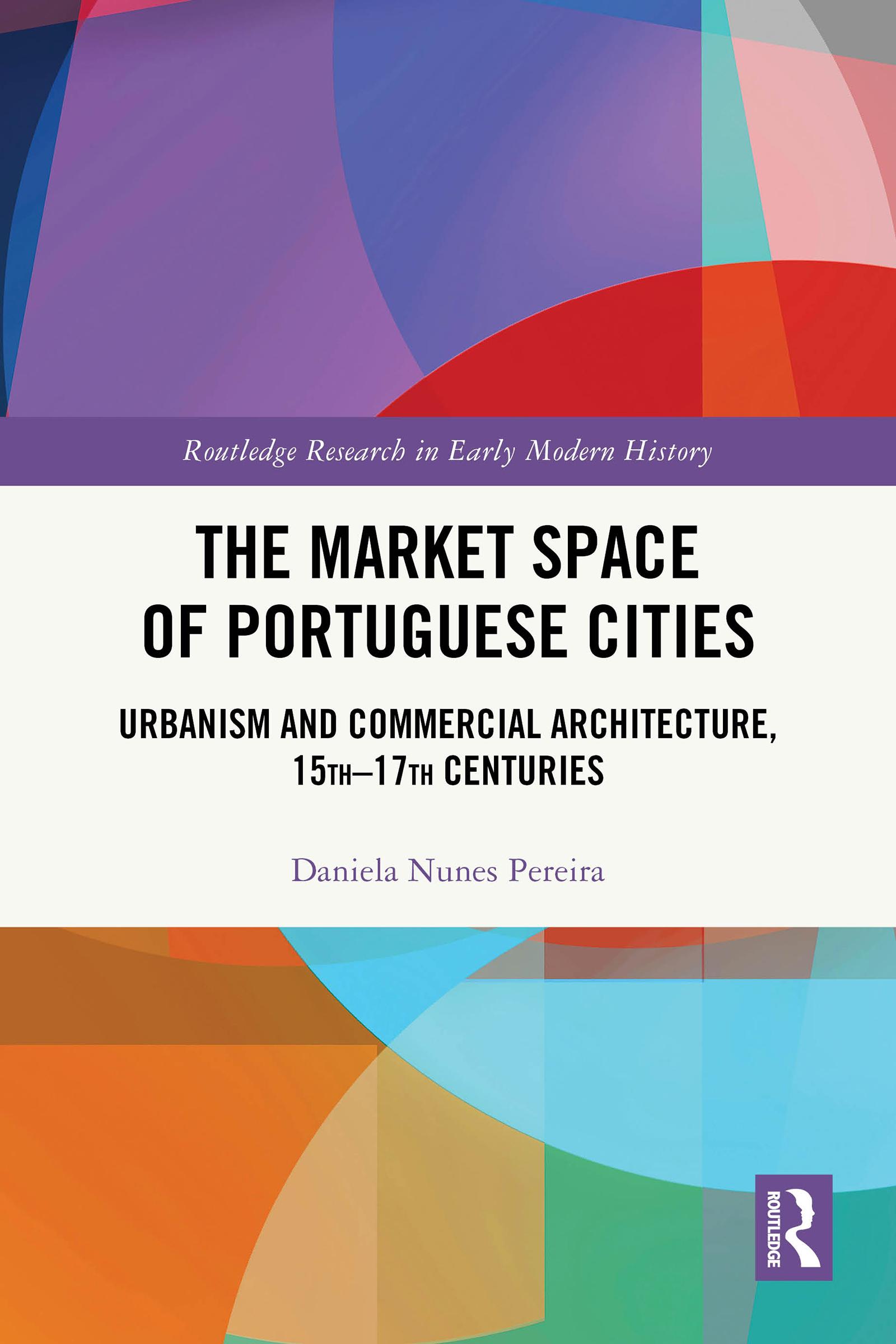
This book explores the transformation of market spaces in Portuguese cities during the intensification of trade driven by increasing profits from overseas exchanges, and how architectural structures and urban planning were directly impacted by these changes to accommodate the new economic dynamics.
The terminology and architectural elements of commercial spaces are analyzed to understand the organization of markets. By examining terms such as square, street, town hall, estaus, granaries, porches, arcades, balconies, and shops, the book not only maps the physical locations of these markets but also offers an interpretation of these spaces as instruments of economic control and power organization, reflecting the tensions between market efficiency and the dominance of urban elites. Based on historical documents including contracts, municipal records, and urban regulations, the book offers fresh perspectives on market spaces in Portuguese cities, highlighting the crucial role of commerce in urban transformation and in the adaptation to the increasing economic demands of this period.
This volume is intended for historians, architects, urban planners, and scholars interested in urban history, economic history, and the intersection of architecture and commerce. Its interdisciplinary approach makes it relevant for any reader seeking to understand how trade shaped cities in the early modern period.
Maksa helposti kortilla, Klarnalla, Apple Paylla tai Google Paylla. Etkö ole tyytyväinen? Sinulla on aina 14 päivän palautusoikeus. Lue lisää ehdoistamme. Jos sinulla on kysyttävää, lähetä meille sähköpostia osoitteeseen hello@memmo.org.
Memmo tekee opiskelusta helpompaa – missä päin maailmaa ikinä oletkin. Meillä yhdistät kurssikirjat ja fiksut opiskelutyökalut yhteen paikkaan: tiivistelmät, visat, podcastit ja muistikortit. Ja sitten Ted, opiskelukaverisi, joka vastaa kaikkeen, mitä ikinä mietitkin. Yli 50 000 opiskelijaa opiskelee jo täällä – rakennettu auttamaan sinua oppimaan nopeammin ja stressaamaan vähemmän.