
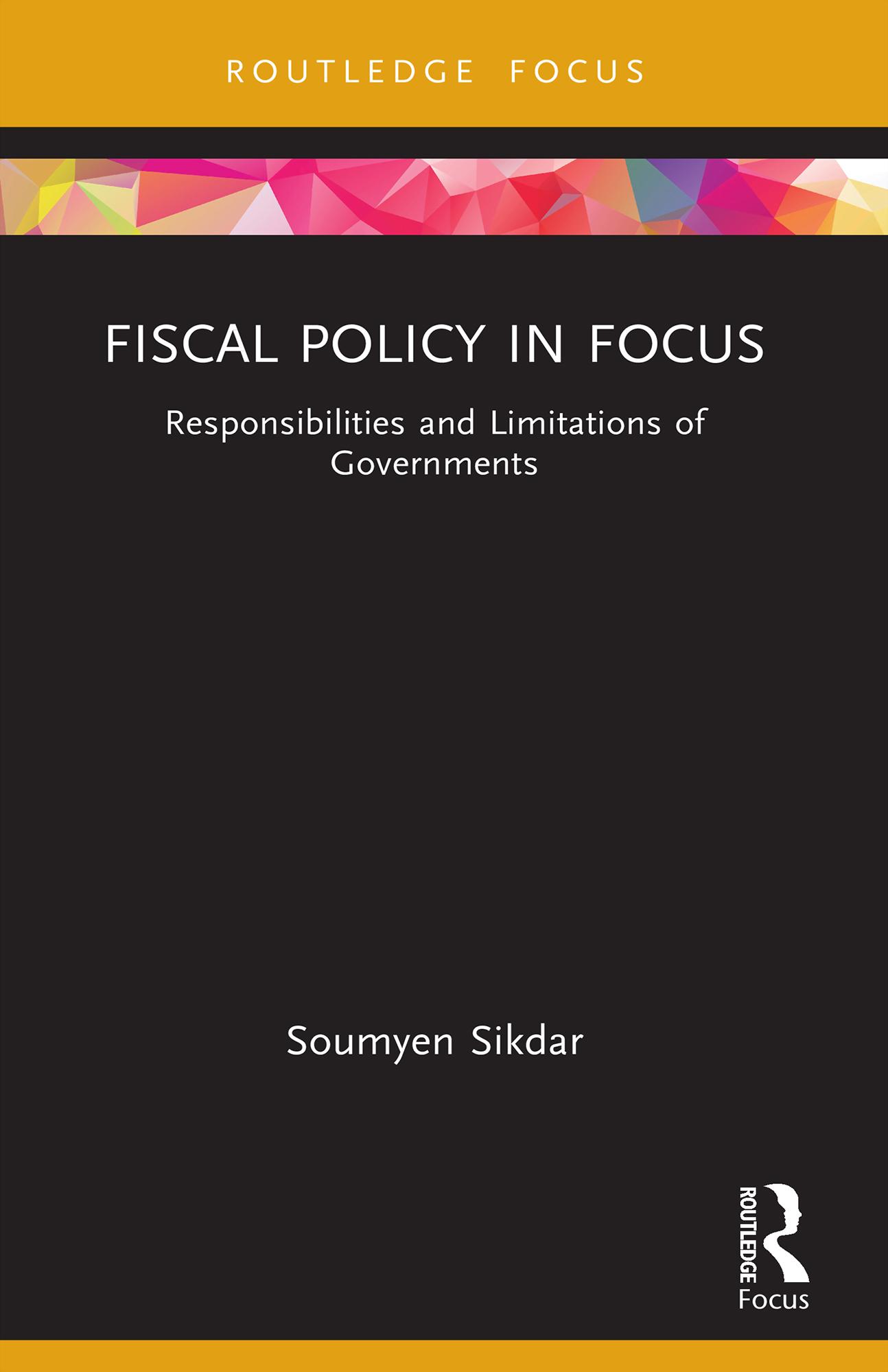
The majority of economists today are opposed to allowing governments a significant role in economic affairs. In particular, demand management and redistributive policies are frowned upon, and supply-side policies (that concentrate on enhancing the profitability of business operations) are advocated as the only legitimate channels of government action. The possibility of ‘government failure’ in the economic sphere is endlessly emphasised.
The book argues that this view is only partially correct, at best. To make development inclusive and sustainable over the long run, the state must step in as an active enabler and regulator of private initiative. In a good society, the public–private relationship should be complementary, not adversarial. The enabler–regulator duty of the government cannot be effectively discharged with only supply-side and monetary instruments. Well-designed, effectively implemented fiscal action is indispensable for promoting social welfare with its twin aspects of efficiency and distributive justice.
Within a short compass, the strengths and limitations of tax expenditure policies in managing the economy are discussed in non-technical language, keeping the ‘government failure vs market failure’ debate as a focal point.
Maksa helposti kortilla, Klarnalla, Apple Paylla tai Google Paylla. Etkö ole tyytyväinen? Sinulla on aina 14 päivän palautusoikeus. Lue lisää ehdoistamme. Jos sinulla on kysyttävää, lähetä meille sähköpostia osoitteeseen hello@memmo.org.
Memmo tekee opiskelusta helpompaa – missä päin maailmaa ikinä oletkin. Meillä yhdistät kurssikirjat ja fiksut opiskelutyökalut yhteen paikkaan: tiivistelmät, visat, podcastit ja muistikortit. Ja sitten Ted, opiskelukaverisi, joka vastaa kaikkeen, mitä ikinä mietitkin. Yli 50 000 opiskelijaa opiskelee jo täällä – rakennettu auttamaan sinua oppimaan nopeammin ja stressaamaan vähemmän.