
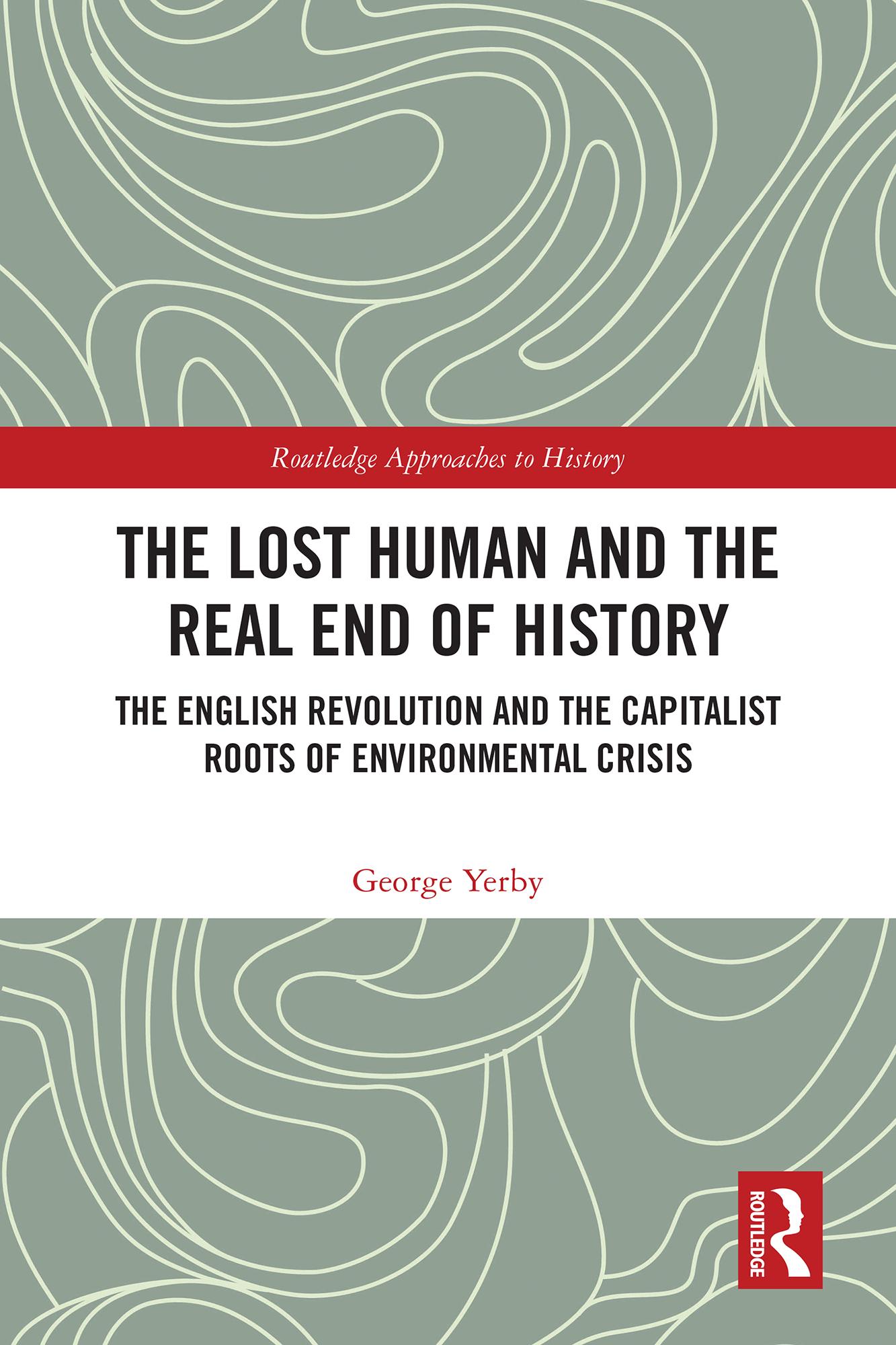
This book analyses the transformation in 16th- and 17th- century English economic life that overturned the traditional restraints of the medieval economy for the commercial ethos that governs the modern world, and the resulting imbalance which opened the way to the environmental breakdown of today.
On the open fields and commons, the smallholders had worked closely with the land as given, with minimal intervention in natural processes. The 16th century introduced a fundamental difference of approach as the inducement of exceptional profits encouraged manipulative exploitation of the land. “Freedom of trade” from arbitrary restraints and impositions became the new economic ethos, officially established by the mid-17th-century revolution and reinforced by other changes such as the emergence of the nationstate. The “rise of science” was associated with the agriculturalist adoption of empirical method for “improvement”, and a new philosophy accorded humankind the right to degrade other species for its own ends. By focusing on the causes and effects of capitalism at its first appearance, this volume traces the environmental crisis back to the switch from an essentially universalist to a basically individualist world.
This book will be of interest to scholars and students of Early Modern England, Economic Studies, and Environmental Studies.
Maksa helposti kortilla, Klarnalla, Apple Paylla tai Google Paylla. Etkö ole tyytyväinen? Sinulla on aina 14 päivän palautusoikeus. Lue lisää ehdoistamme. Jos sinulla on kysyttävää, lähetä meille sähköpostia osoitteeseen hello@memmo.org.
Memmo tekee opiskelusta helpompaa – missä päin maailmaa ikinä oletkin. Meillä yhdistät kurssikirjat ja fiksut opiskelutyökalut yhteen paikkaan: tiivistelmät, visat, podcastit ja muistikortit. Ja sitten Ted, opiskelukaverisi, joka vastaa kaikkeen, mitä ikinä mietitkin. Yli 50 000 opiskelijaa opiskelee jo täällä – rakennettu auttamaan sinua oppimaan nopeammin ja stressaamaan vähemmän.