
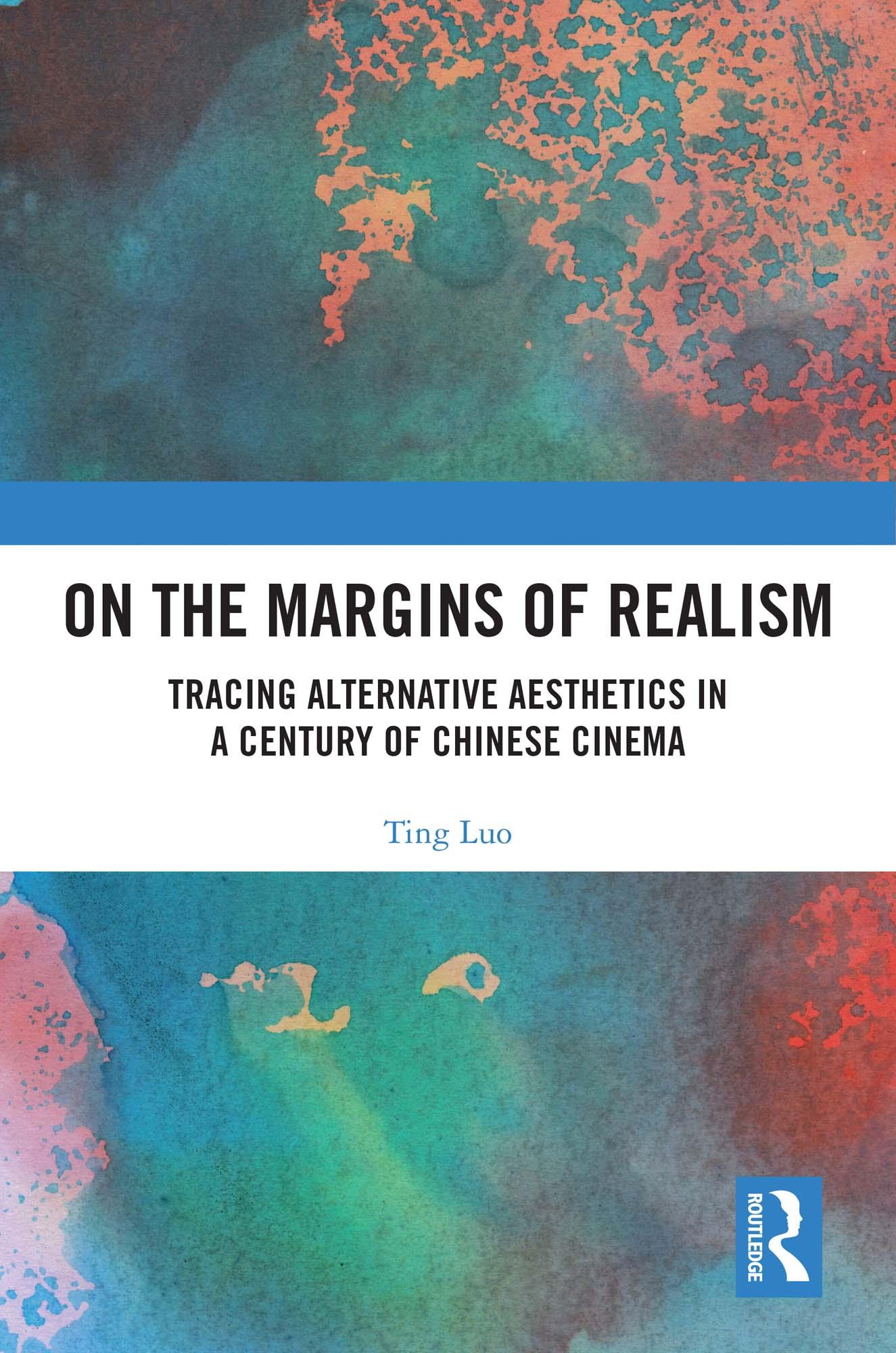
Realism has been endowed with a certain orthodox status as the aesthetic counterpart of China’s modernization, and studies of Chinese film history have largely accepted a master narrative of realism as the guiding aesthetic of mainland Chinese cinema. This book argues, however, that alternative aesthetics to realism have always existed in Chinese cinema throughout its history, from the early silent era to the new century.
The alternative aesthetics are closely linked to the indigenous Chinese ontology of cinema, namely, shadowplay (yingxi 影戲). The author presents an alternative account through a close examination of four distinct visual, narrative, and stylistic devices or themes that recur in different periods of Chinese film history: the dream representation, the doubling of characters, the device of self-reflexivity, and the allegorical construction of space. By considering specific films and scenes as problematic sites where history, politics, and aesthetics collide, this book also seeks to elucidate the relationship between cinema and the multifaceted experiences of Chinese modernity with respect to subjectivity, ideology, identity, and nationality.
This book will be of interest to scholars and students of Chinese cinemas, realism, and modernism.
Maksa helposti kortilla, Klarnalla, Apple Paylla tai Google Paylla. Etkö ole tyytyväinen? Sinulla on aina 14 päivän palautusoikeus. Lue lisää ehdoistamme. Jos sinulla on kysyttävää, lähetä meille sähköpostia osoitteeseen hello@memmo.org.
Memmo tekee opiskelusta helpompaa – missä päin maailmaa ikinä oletkin. Meillä yhdistät kurssikirjat ja fiksut opiskelutyökalut yhteen paikkaan: tiivistelmät, visat, podcastit ja muistikortit. Ja sitten Ted, opiskelukaverisi, joka vastaa kaikkeen, mitä ikinä mietitkin. Yli 50 000 opiskelijaa opiskelee jo täällä – rakennettu auttamaan sinua oppimaan nopeammin ja stressaamaan vähemmän.