
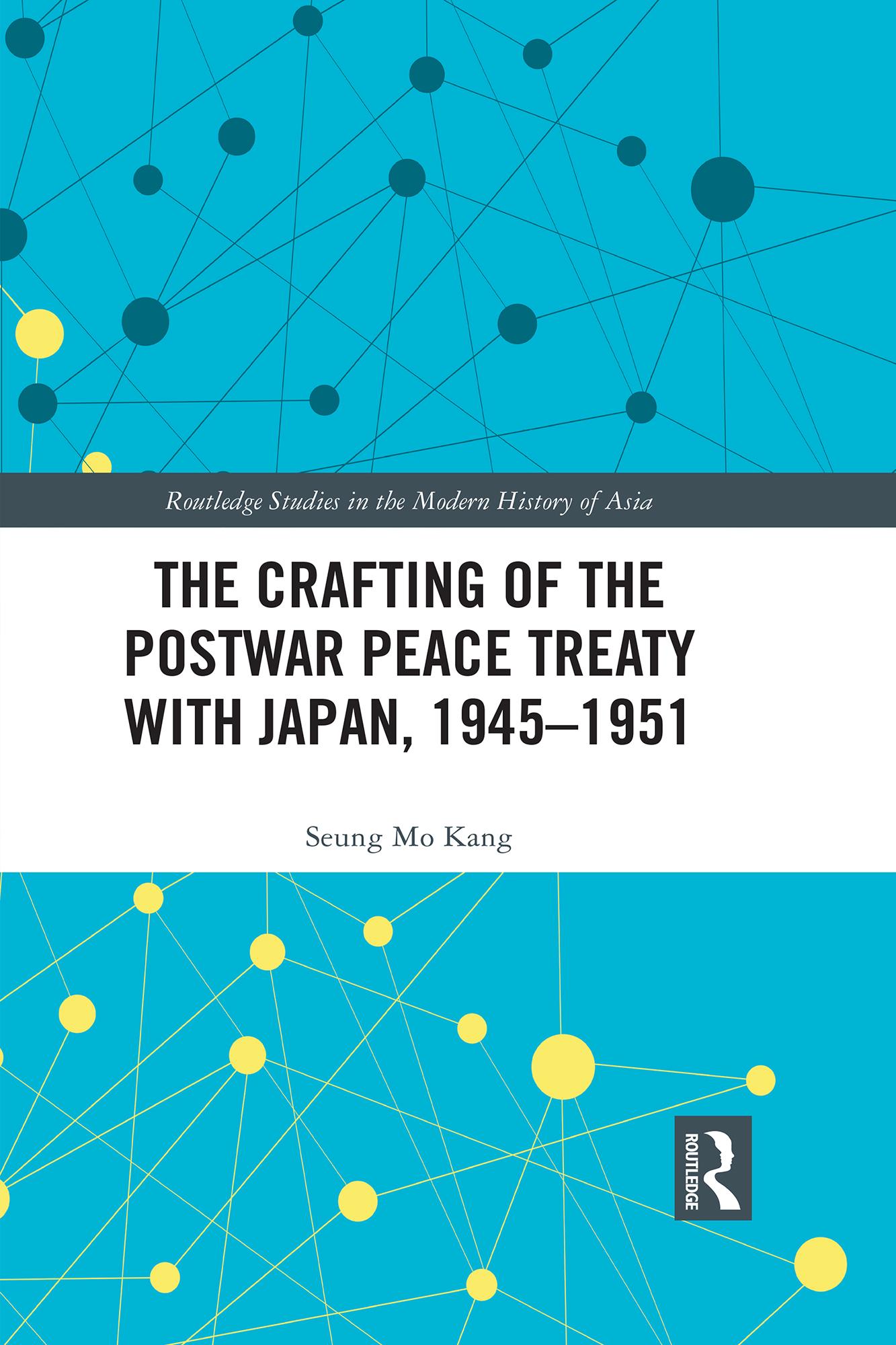
This book examines how the Treaty of Peace with Japan, a momentous agreement that delineated postwar order in the Pacific, was negotiated between Japan and 48 other nations in 1951.
Even though the treaty was created to legally end the state of war between Japan and its Pacific War enemies, many other considerations - some of which had hardly anything to do with the Pacific War - were involved. The US-Soviet rivalry was the most representative, but this was not the only factor. For instance, the decision to invite Cambodia, Laos and Vietnam as signatories was determined based on French colonial interests, Indochinese yearning for independence and the need for French contribution in the North Atlantic Treaty Organization. Similarly, German reparations settlements after the First and Second World Wars impacted Japanese reparations settlement. Meanwhile, the commercial terms of the treaty were informed by the Great Depression and its legacies. This book addresses these aspects of the peace treaty that are hitherto not sufficiently elaborated upon in existing studies.
Highlighting the importance of the treaty for shaping postwar East Asia and international relations in the region to the present day, this book will be a valuable resource for students and scholars of post-war Japan, International relations, and the Cold War.
Maksa helposti kortilla, Klarnalla, Apple Paylla tai Google Paylla. Etkö ole tyytyväinen? Sinulla on aina 14 päivän palautusoikeus. Lue lisää ehdoistamme. Jos sinulla on kysyttävää, lähetä meille sähköpostia osoitteeseen hello@memmo.org.
Memmo tekee opiskelusta helpompaa – missä päin maailmaa ikinä oletkin. Meillä yhdistät kurssikirjat ja fiksut opiskelutyökalut yhteen paikkaan: tiivistelmät, visat, podcastit ja muistikortit. Ja sitten Ted, opiskelukaverisi, joka vastaa kaikkeen, mitä ikinä mietitkin. Yli 50 000 opiskelijaa opiskelee jo täällä – rakennettu auttamaan sinua oppimaan nopeammin ja stressaamaan vähemmän.