
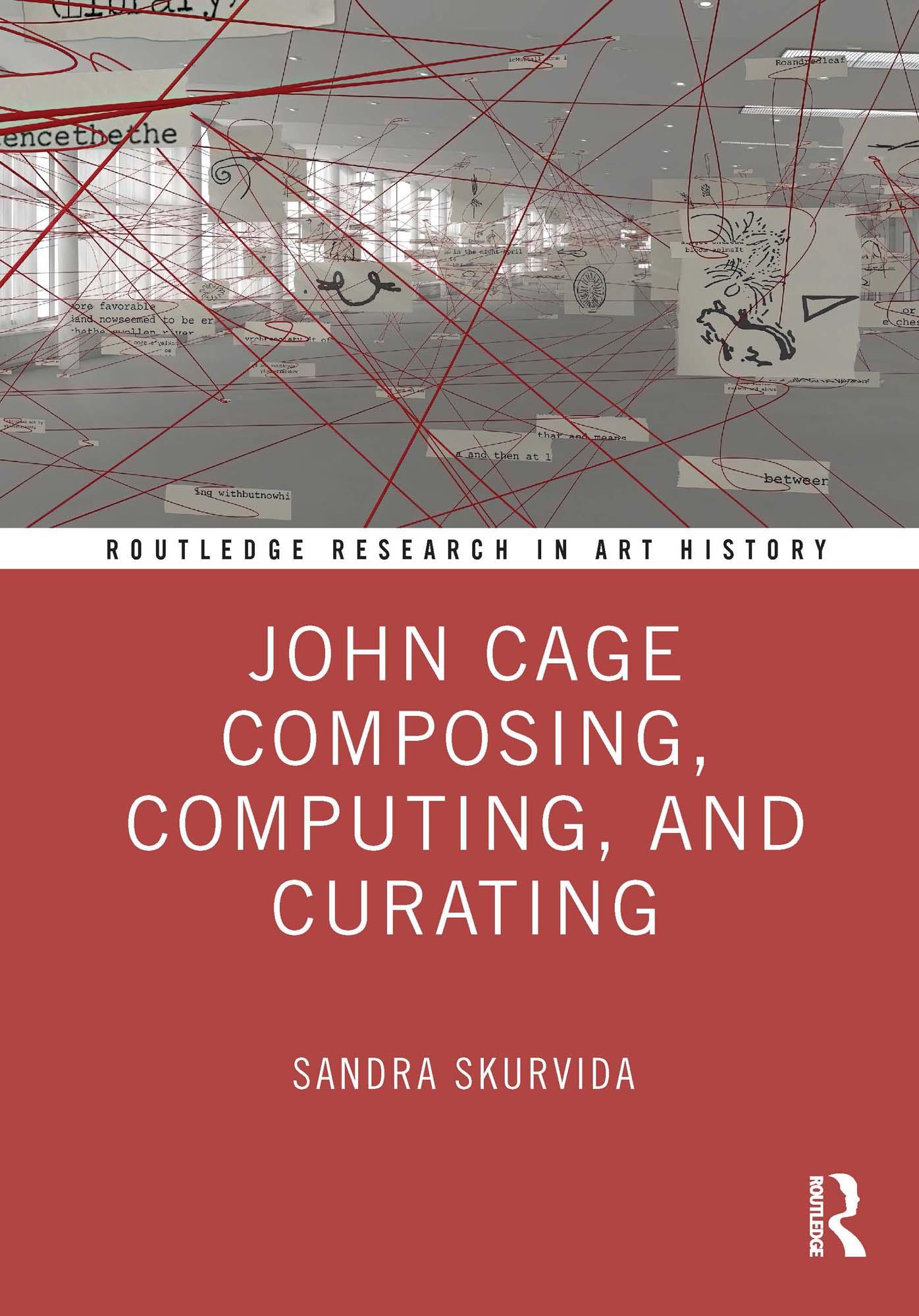
This study reassesses Cage’s multifaceted practice from a transdisciplinary perspective, using text as a premise for his musical, visual, lingual, and museal compositions.
In his compositions, John Cage opened the structures of music, language, and the museum to change perpetuated by chance operations. His correspondences across history with an extended circle of creators, including Erik Satie, Marcel Duchamp, and Henry David Thoreau, among many others, erased single-minded authorship via methodical processing of source material. Foreshadowing ecological recycling, Cage’s late compositions for museum opened perspectives for posthuman mediation in curating and contemporary art. He conceived of anarchy as the coexistence of mutually aiding yet autonomous self-determinate entities. This book introduces Cage to the twenty-first century as a composer whose work intersects different temporalities and modes of being, the past and the present, the human and the non-human, and the individual and the communal.
The book will be of interest to scholars of art history, music, curatorial studies, and museum studies.
Maksa helposti kortilla, Klarnalla, Apple Paylla tai Google Paylla. Etkö ole tyytyväinen? Sinulla on aina 14 päivän palautusoikeus. Lue lisää ehdoistamme. Jos sinulla on kysyttävää, lähetä meille sähköpostia osoitteeseen hello@memmo.org.
Memmo tekee opiskelusta helpompaa – missä päin maailmaa ikinä oletkin. Meillä yhdistät kurssikirjat ja fiksut opiskelutyökalut yhteen paikkaan: tiivistelmät, visat, podcastit ja muistikortit. Ja sitten Ted, opiskelukaverisi, joka vastaa kaikkeen, mitä ikinä mietitkin. Yli 50 000 opiskelijaa opiskelee jo täällä – rakennettu auttamaan sinua oppimaan nopeammin ja stressaamaan vähemmän.