
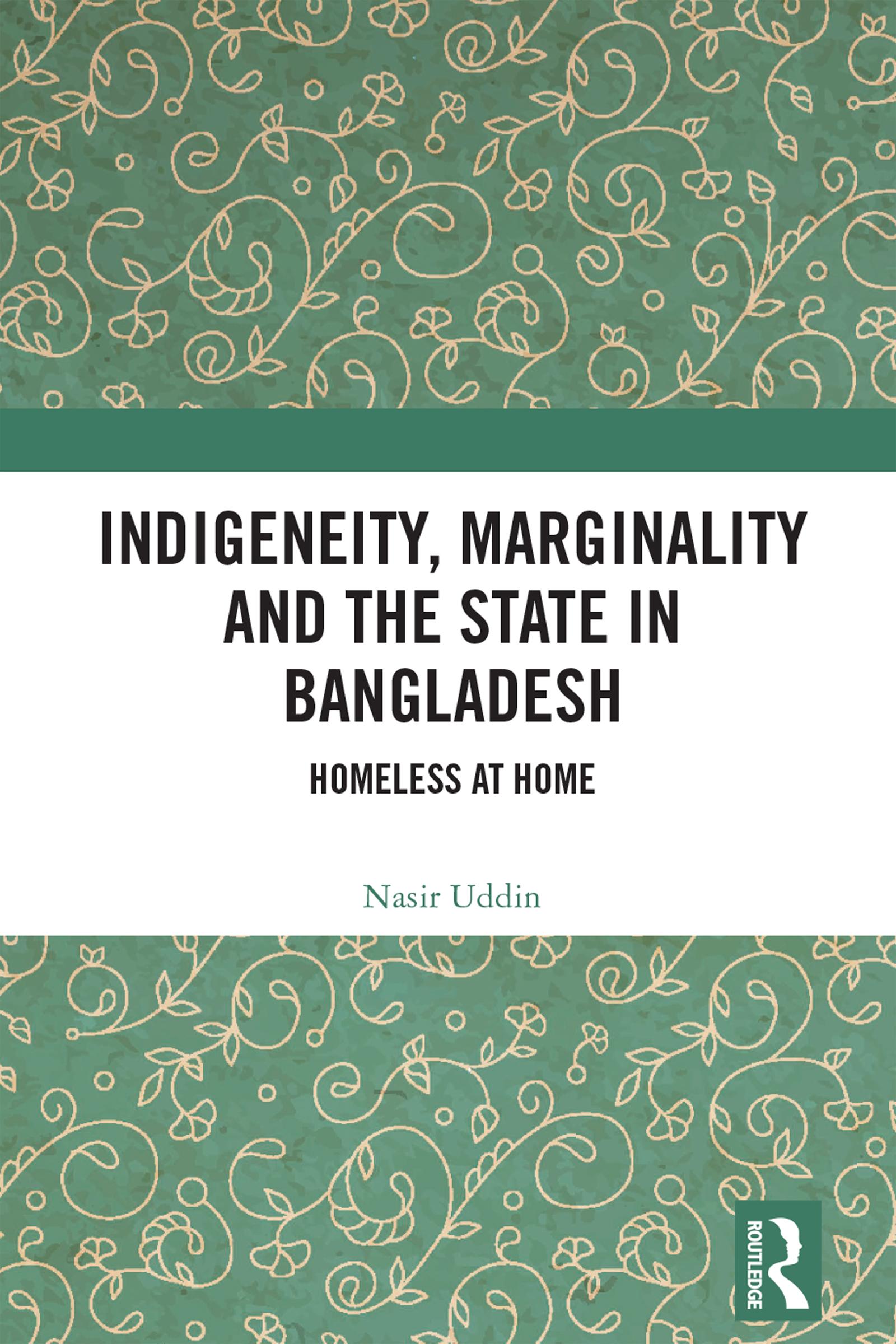
This book explores the critical linkages between indigeneity, marginality, and the state in Bangladesh. Indigeneity is progressively gaining currency in politics and thereby becoming an active force in the larger context of national activism with transnational patronage and international support. Drawing on comprehensive and solid ethnographic accounts, the book offers a broader understanding of the process of marginalisation and the emergence of new leadership among the Khumi, an indigenous group of Bangladesh. It illuminates how the Khumi have realised their position on the margin of the state within the socio-economic, political, and ethnic history of the Chittagong Hill Tracts. It also looks at how kin-based social organisations and non-kin-based social relations become bases of power and authority as well as cooperation and reciprocity in Khumi society.
Lucid and topical, the book will be of interest to scholars and researchers of indigenous studies, anthropology, ethnic studies, sociology, political sciences, international relations, border studies, and South Asian studies, especially those concerned with Bangladesh.
Maksa helposti kortilla, Klarnalla, Apple Paylla tai Google Paylla. Etkö ole tyytyväinen? Sinulla on aina 14 päivän palautusoikeus. Lue lisää ehdoistamme. Jos sinulla on kysyttävää, lähetä meille sähköpostia osoitteeseen hello@memmo.org.
Memmo tekee opiskelusta helpompaa – missä päin maailmaa ikinä oletkin. Meillä yhdistät kurssikirjat ja fiksut opiskelutyökalut yhteen paikkaan: tiivistelmät, visat, podcastit ja muistikortit. Ja sitten Ted, opiskelukaverisi, joka vastaa kaikkeen, mitä ikinä mietitkin. Yli 50 000 opiskelijaa opiskelee jo täällä – rakennettu auttamaan sinua oppimaan nopeammin ja stressaamaan vähemmän.